




Pregnancy is one of the most transformative stages of life, filled with excitement, anticipation, and profound changes throughout the body. While expectant mothers focus heavily on nutrition, prenatal care, and physical well-being, oral health is sometimes overlooked. However, dental care including orthodontic treatment plays a crucial role in maintaining both maternal and fetal health.
For women who are considering braces or aligners during pregnancy, questions often arise about safety, timing, and comfort. Is it advisable to begin treatment while expecting? Can ongoing orthodontic care continue safely? This comprehensive guide explores how orthodontic work can be approached safely during pregnancy, supported by dental expertise and tailored care.
Understanding the Relationship Between Pregnancy and Oral Health
Pregnancy triggers significant hormonal shifts, particularly elevated levels of progesterone and estrogens. These changes can make gums more sensitive, swollen, and prone to bleeding. Morning sickness, common in early pregnancy, exposes teeth to stomach acids, increasing the risk of enamel erosion. Additionally, hormonal fluctuations can accelerate plaque accumulation, raising the chances of tooth decay and gum disease.
Key points to consider:
- Hormonal changes may cause gum tenderness and inflammation.
- Plaque forms more quickly due to hormonal influence.
- Morning sickness exposes teeth to acidic damage.
- Poor oral hygiene can lead to infections that impact overall health.
Maintaining good oral hygiene is therefore vital during pregnancy especially for those with braces or aligners. Preventing gum inflammation or decay ensures both maternal well-being and healthy fetal development.
Is it safe to begin orthodontic treatment while pregnant?
Many expectant mothers question the safety of starting orthodontic treatment during pregnancy. While most procedures are elective and can be postponed until after childbirth, beginning treatment is possible with professional supervision. Though orthodontic work doesn’t directly affect fetal development, factors like comfort, posture, and oral hygiene should be carefully managed under guidance from an obstetrician and an orthodontist Truro.
Trimester-specific guidance:
| Trimester | Recommendation | Notes |
| First | Avoid elective procedures | This is the critical phase of fetal development. |
| Second | Safest period for dental treatment | Nausea subsides, and the risk to the baby is lower. |
| Third | Possible but comfort-focused | Reclining for long periods may be uncomfortable. |
The second trimester is widely regarded as the most suitable time to begin orthodontic treatment if necessary, as morning sickness typically decreases, and the mother’s body is more stable.
Continuing Existing Orthodontic Care During Pregnancy
For expectant mothers already wearing braces or aligners, ongoing treatment can usually continue safely. Orthodontic appliances are non-invasive, but adjustments can be made for comfort and safety.
Safety Measures:
- Postpone non-essential X-rays; if required, use lead shielding to protect the baby.
- Local anesthesia can be safely administered in small, controlled amounts.
- Opt for shorter, more frequent visits to avoid fatigue.
Comfort Tips:
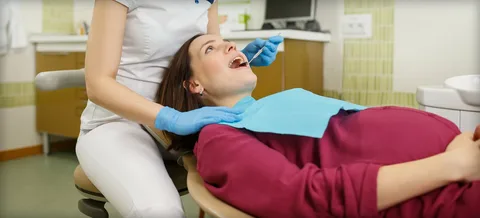
- Sit in a slightly reclined, not fully flat, position to prevent back pressure.
- Take breaks during longer appointments.
- Inform your orthodontist about any nausea, swelling or gum sensitivity.
With professional guidance, treatment can progress smoothly, ensuring both mother and baby remain safe throughout.
Oral Hygiene Tips for Expectant Mothers with Orthodontic Appliances
Pregnancy amplifies the need for strict oral hygiene, particularly when wearing braces or aligners. Increased hormonal sensitivity makes gums more prone to swelling, so daily cleaning routines must be diligent and gentle.
Recommended oral care practices:
-
Clean your teeth two times a day using a toothbrush with soft bristles and fluoride toothpaste.
- Use interdental brushes or floss threaders to clean around brackets.
- Rinse with an alcohol-free, pregnancy-safe mouthwash.
- For aligner wearers, clean trays with mild soap and lukewarm water after meals.
Table for quick guidance:
| Appliance Type | Cleaning Tips | Frequency |
| Fixed braces | Soft brush + floss threaders | Twice daily |
| Removable aligners | Rinse + mild soap | After meals |
Regular dental check-ups are also essential during this period to monitor gum health and appliance condition. If discomfort or irritation occurs, your orthodontist can recommend waxes or rinses that are safe for pregnancy.
When to Delay or Modify Orthodontic Treatment
Certain health conditions or pregnancy complications may make it advisable to delay orthodontic treatment. The goal is always to ensure maternal and fetal safety while preventing unnecessary stress.
Situations that may require postponement or modification:
- High-risk pregnancies or medical complications.
- Severe morning sickness making oral hygiene difficult.
- Active gum disease or oral infection.
- Excessive discomfort from existing orthodontic appliances.
In such cases, temporary maintenance strategies such as using removable retainers or postponing adjustments can help stabilize oral health until treatment resumes post-pregnancy. Consulting with an orthodontist Truro allows patients to adapt their treatment plan effectively and safely.
The Role of Professional Support During Pregnancy
Teamwork between dental and medical professionals is vital when undergoing orthodontic care during pregnancy. An orthodontist ensures all procedures are safe, comfortable, and timed appropriately, while the obstetrician monitors maternal health and fetal development. In the event of any sudden dental pain, swelling, or bleeding, prompt action is crucial. Contacting an emergency dentist in Truro immediately helps prevent complications, ensuring neither orthodontic progress nor maternal well-being is jeopardized. Timely intervention also reduces the likelihood of infection or prolonged discomfort.
Lifestyle Habits That Support Orthodontic and Pregnancy Health
Maintaining daily routines that support oral health can make a significant difference in both comfort and treatment outcomes.
Helpful habits:
- Avoid chewing hard objects such as pens, nails or ice.
- Limit consumption of sugary and sticky foods.
- Stay hydrated to reduce dry mouth caused by hormonal shifts.
- Brush gently but thoroughly, especially around brackets and wires.
- Keep aligners in their protective cases when not worn.
These mindful practices reduce discomfort, prevent damage and ensure steady orthodontic progress without unexpected interruptions.
Long-Term Benefits of Maintaining Orthodontic Health During Pregnancy
Continuing or starting orthodontic treatment during pregnancy, when properly managed, can offer lasting benefits:
- Stable alignment: Prevents relapse of previously corrected teeth.
- Better oral hygiene: Straight teeth are easier to clean, reducing decay risk.
- Health protection: Minimizes the likelihood of infections that could affect both mother and baby.
- Boosted confidence: Supports emotional well-being through a healthy, attractive smile.
By prioritizing regular care and open communication with professionals, expectant mothers safeguard not only their smile but also their overall health.
Conclusion
Starting orthodontic work during pregnancy is entirely possible when approached with care, coordination, and expert supervision. Timing treatments wisely, maintaining strong hygiene habits, and working closely with dental and medical professionals ensure safety for both mother and baby.
With thoughtful adjustments and the right guidance, orthodontic progress can continue smoothly throughout this special journey. With the dedicated support of Truro, expectant mothers can feel confident that their orthodontic care remains both safe and effective, protecting their smiles and well-being during one of life’s most important chapters.