






PPC and SEO: PPC does not directly improve your SEO rankings. However, the indirect relationship between the two is far more powerful than many marketers realize.
These two channels constantly influence, inform, and strengthen each other. When used together strategically, they can dramatically improve overall marketing performance.
Google has always been very clear on one point. Running paid ads does not boost your organic rankings. Nonetheless, that account reveals only a portion of the narrative, omitting the more intriguing aspect.
Many marketing articles answer the question “Does PPC affect SEO?” with a simple statement: they are separate systems. Technically, that statement is correct. Google’s paid advertising system and organic search algorithm operate independently. If an HVAC company spends thousands on Google Ads, that spending alone will not push its website to the top of the organic results.
However, the relationship between PPC and SEO is much deeper than that basic explanation suggests. When both channels are used together intentionally, they create a powerful feedback loop. Each channel provides insights, data, and audience signals that make the other channel more effective. Businesses that treat them as completely separate strategies often miss major opportunities.
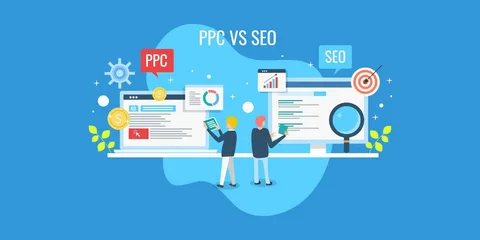
The Myth vs the Reality
One of the most common marketing myths sounds like this:
“Running PPC ads will enhance my organic rankings since Google favors paying advertisers”
The reality is very different.
Google maintains a strict separation between its advertising systems and its organic search algorithm. The teams, software systems, and codebases behind these products are completely separate. Your advertising budget has zero direct influence on your organic ranking positions.
But that separation does not mean the channels have no relationship.
In practice, PPC and SEO share the same search results pages, the same audience, and much of the same performance data. That shared environment creates several powerful indirect connections.
How PPC and SEO Influence Each Other
Even though there is no direct ranking connection, PPC and SEO provide valuable insights that strengthen each other.
Keyword Data Flows Both Ways
Every PPC campaign acts as a real-time keyword testing laboratory.
When you run paid search campaigns, Google provides detailed reports showing exactly which search terms triggered impressions, clicks, and conversions. This information is far more precise than the estimates most SEO tools provide.
For example, if a keyword generates 400 paid clicks per month with a strong conversion rate, you already know that keyword has proven value. Your SEO strategy should immediately prioritize ranking organically for that term.
The process works in the opposite direction as well. High-performing organic content often reveals topics that resonate strongly with your audience. These topics can become excellent targets for PPC campaigns designed to capture users earlier in their buying journey.
Brand Visibility Improves Click-Through Rates
Another overlooked connection involves brand visibility.
Click-through rate is widely believed to influence organic rankings. When users consistently choose one listing over others, Google receives a signal that the result may better satisfy the search query.
Now imagine your brand appearing twice on the search results page. One appearance comes from a paid ad, and the other appears in the organic listing.
Seeing the same brand name in two positions increases familiarity and trust. Users are more likely to click your organic listing when they recognize the brand. Over time, higher organic click-through rates can help strengthen ranking signals.
Remarketing Bridges the Gap
Organic traffic often brings first-time visitors to your website. However, many of those visitors leave without converting.
This is where PPC remarketing becomes powerful.
When someone visits your website through organic search, you can place them into a remarketing audience. Later, you can show targeted ads that bring them back to your site.
Remarketing ads frequently achieve much higher conversion rates because the audience already knows your brand. Without the connection between organic traffic and paid remarketing campaigns, this second opportunity would never exist.
PPC and SEO are not competing channels. Instead, they function like two instruments playing in the same marketing orchestra.
Why Home Services Businesses Feel This Most
The connection between PPC and SEO becomes especially important in the home services industry.
Search competition for high-value service queries is extremely intense. Organic rankings can take months to achieve. However, PPC placements can be purchased immediately.
The challenge is cost. Many high-intent home services keywords cost between $40 and $80 per click in competitive cities.
This is why an integrated home services marketing strategy is essential.
Businesses that rely entirely on PPC often burn through advertising budgets quickly. On the other hand, companies relying only on SEO may lose valuable customers while waiting for rankings to improve.
The most successful companies combine both approaches.
They use PPC to capture immediate transactional demand while simultaneously building long-term organic visibility. As organic rankings improve, paid budgets can gradually shift toward new keywords or broader marketing goals.
The Critical Connection: Landing Pages
One place where PPC and SEO completely overlap is the landing page.
Home services landing page optimization plays a role in both advertising performance and organic rankings.
A strong landing page must satisfy both Google’s Quality Score system for ads and its organic ranking algorithm. Fortunately, the core requirements for both are very similar.
A successful landing page should include:
• Fast loading speed
• Mobile-friendly design
• Clear relevance to the search query
• Structured content with helpful information
• Strong calls to action
• Visible trust signals such as reviews and certifications
Many businesses make the mistake of separating SEO pages and PPC pages. They create one page focused only on content and another page focused only on conversions.
This approach often leads to weaker performance.
A better strategy combines both functions into one well-designed page. Detailed content helps organic rankings while strong CTAs drive conversions from paid traffic.
Using PPC Data to Improve SEO
One of the greatest advantages of PPC campaigns is the detailed data they produce.
Organic SEO has limited keyword visibility because many search queries are hidden in analytics reports. PPC campaigns, however, reveal exactly which search terms users typed before clicking.
This information becomes extremely valuable for SEO planning.
For example, if certain search terms consistently generate high conversion rates in paid campaigns, they become clear candidates for organic optimization.
A practical strategy is to export your top converting PPC search terms every quarter. Then compare those terms to your organic ranking positions. If you rank low for keywords that already convert well in paid ads, they should become top priorities for SEO improvements.
Expanding the Strategy Beyond Search
Integrated marketing goes beyond PPC and SEO alone.
For example, a home services email marketing strategy can nurture leads captured from search traffic. Homeowners researching major services such as generator installation or roof replacement often take weeks or months before making a final decision.
PPC and SEO bring them into your funnel. Email marketing keeps your brand visible during the entire decision process.
This full-funnel approach allows businesses to collect data from multiple channels and apply those insights across their entire marketing strategy.
Protecting Your Brand in Search
Another important PPC–SEO relationship involves brand protection.
Competitors can legally run PPC ads targeting your company name. When someone searches for your brand, a competitor’s ad may appear above your organic listing.
Running PPC ads on your own brand name prevents this problem. Brand keywords are usually inexpensive because your company naturally receives the highest Quality Score.
By appearing in both paid and organic positions, you dominate the search results page for your brand.
The Final Verdict
PPC does not directly influence SEO rankings. Google has made this clear many times. However, treating these channels as completely separate strategies is a costly mistake.
PPC and SEO share audiences, keyword insights, landing pages, and performance data. When used together, they strengthen each other in ways that create significant competitive advantages.
Whether your focus is improving home services landing pages, developing a stronger home services marketing strategy, or using email marketing to nurture leads, the principle remains the same. Marketing channels work best when they support each other. The real question is not which channel performs better. The real question is how they can work together to drive more growth.