



Physiotherapy in Drogheda has evolved into a sophisticated, multi-disciplinary healthcare sector designed to meet the needs of one of Ireland’s fastest-growing commuter towns. As the “Gateway to the Boyne Valley,” Drogheda balances a large residential population with a thriving sporting culture, making access to high-quality physical therapy essential.
Whether you are a marathon runner training for the Boyne 10k, a professional working remotely in the Southgate area, or an elderly resident seeking to maintain mobility, the physiotherapy landscape in Physio Drogheda offers a wealth of specialized care.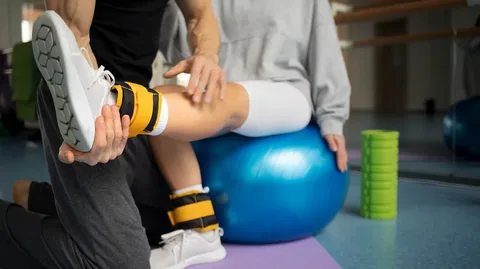
1. The Role of Physiotherapy in the Drogheda Community
Physiotherapy is more than just “fixing a back.” In the Louth/Meath region, chartered physiotherapists work as primary care practitioners who diagnose, treat, and prevent physical dysfunction.
With the expansion of the Our Lady of Lourdes Hospital and the growth of private clinics along the Dublin Road and the North Road, the town has become a medical hub for the Northeast. Physiotherapy here focuses on:
-
Injury Rehabilitation: Returning to sports or work after a trauma.
-
Pain Management: Dealing with chronic conditions like arthritis or fibromyalgia.
-
Preventative Care: Improving ergonomics and strength to avoid future injuries.
2. Specializations Available in Drogheda
One of the strengths of the local healthcare market is the sheer variety of niche specializations available. You no longer have to travel to Dublin for expert-level care.
Musculoskeletal (MSK) Physiotherapy
This is the most common form of treatment, addressing bones, muscles, and joints. Clinics in the town center frequently treat:
-
Neck and Back Pain: Often caused by long commutes on the M1 or sedentary office work.
-
Repetitive Strain Injuries (RSI): Common among the town’s tech and manufacturing workforce.
Sports Physiotherapy
Drogheda is a sporting powerhouse, from Drogheda United FC to local GAA giants and rugby clubs. Sports physios in the area specialize in:
-
ACL Rehabilitation: Intensive programs to get athletes back on the pitch.
-
Gait Analysis: Using high-tech treadmills to analyze running form for local triathletes.
-
Pre-habilitation: Strengthening programs designed to prevent injuries before the season begins.
Women’s and Men’s Health
Specialized clinics in areas like Bettystown and Bryanstown focus on pelvic health, pre- and post-natal care, and recovery from abdominal surgeries. This is a vital service for the town’s growing demographic of young families.
Vestibular and Neurological Rehab
For those suffering from vertigo, balance issues, or recovering from a stroke, specialized neurological physiotherapists provide targeted exercises to retrain the brain and nervous system.
3. Leading Clinics and Facilities
Drogheda is home to several high-reputation clinics. While I cannot provide real-time live reviews, the following types of facilities are established in the area:
-
Integrated Sports Clinics: Often located near gyms or sports complexes, these clinics offer a “return to play” pathway involving both physio and strength and conditioning
-
Private Multi-Disciplinary Practices: These often house physiotherapists alongside podiatrists, massage therapists, and nutritional therapists for a holistic approach
-
Outpatient Services at Hospitals: Available through the HSE at Our Lady of Lourdes for recovery after surgery
4. What to Expect During Your First Visit
If you are booking a session in a Drogheda clinic, the process usually follows a standardized clinical pathway to ensure safety and effectiveness.
-
Subjective Assessment: The therapist will ask about your medical history, the nature of your pain, and your specific goals (e.g., “I want to walk to the shops without pain” vs. “I want to run a sub-4-hour marathon”).
-
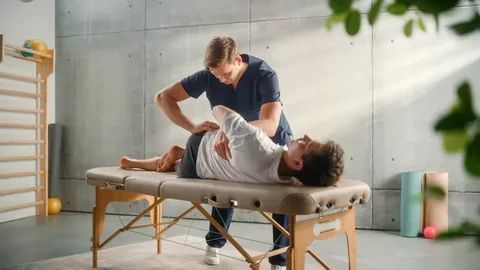
Objective Examination: This involves physical tests. The physio will check your range of motion, strength, and neurological reflexes.
-
Diagnosis and Education: A key part of modern physio is explaining why you are in pain.
-
Treatment Plan: This may include manual therapy (dry needling, joint mobilization) and, crucially, a Home Exercise Program (HEP).
5. Modern Technology in Local Physiotherapy
The year 2026 has seen a surge in “Tech-Enabled Rehab” across Louth. Many Drogheda clinics now utilize:
-
Shockwave Therapy: A non-invasive treatment for chronic tendon issues like plantar fasciitis or tennis elbow.
-
Digital Exercise Apps: Instead of a printed sheet of paper, patients receive videos of their exercises on their phones, with tracking features to keep them motivated.
-
Telehealth: For follow-up consultations, many therapists offer video calls, which is a major benefit for those living in rural areas like Termonfeckin or Clogherhead.
6. The Importance of “Chartered” Status
In Ireland, the term “Physiotherapist” is a protected title. When searching in Drogheda, always ensure your therapist is Chartered (ISCP).
-
University Trained: They hold a degree-level qualification in physiotherapy.
-
Evidence-Based: Their treatments are backed by the latest scientific research.
-
Regulated: They are subject to strict ethical and professional standards.
7. Cost of Physiotherapy in Drogheda
Pricing in the Northeast is generally more competitive than in Dublin city center, though it reflects the high level of expertise provided.
| Service Type | Duration | Estimated Cost |
| Initial Consultation | $45$ – $60$ mins | €65 – €80 |
| Follow-up Treatment | $30$ mins | €55 – €65 |
| Home Visit | $60$ mins | €90 – €120 |
| Specialized (e.g., Women’s Health) | $60$ mins | €80 – €100 |
Most major health insurance providers (Vhi, Laya, Irish Life) provide significant rebates for chartered physiotherapy sessions.
8. DIY vs. Professional Intervention
While many people in Drogheda attempt to “walk off” an injury or follow YouTube tutorials, professional intervention is recommended if:
- The pain does not improve after $72$ hours of rest.
- You experience “referred pain” (e.g., pain traveling down your leg).
- You have significant swelling or a loss of function.
- The injury is impacting your ability to sleep or work.
9. Conclusion: A Healthier Drogheda
The physiotherapy profession in Drogheda plays a critical role in the town’s public health. By combining traditional manual therapy with modern exercise science and technology, local clinics are helping the population stay active, productive, and pain-free.
From the young athletes at the Drogheda Boys/Girls FC to the retirees walking the Boyne Greenway