




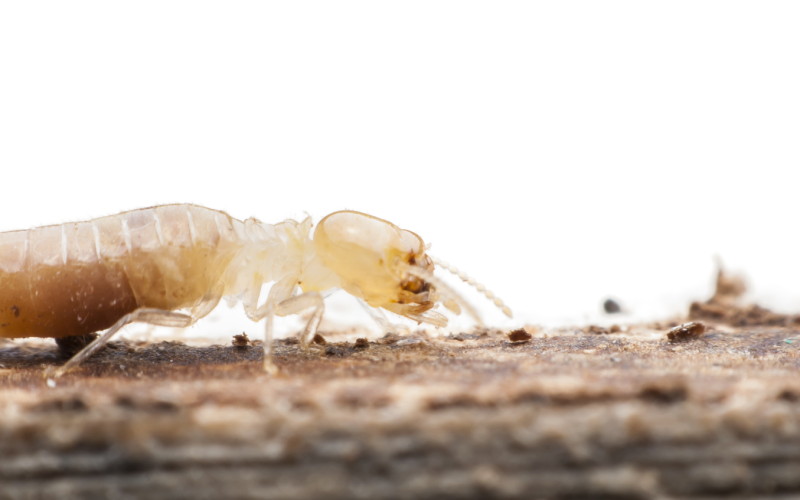
It’s a scenario many homeowners know all too well—you go to bed with everything in order, only to wake up and find an unexpected invasion of insects, rodents, or other unwelcome creatures.
These sudden appearances leave people wondering why do cockroaches suddenly appear in their kitchens, basements, or bathrooms. While it may feel like these creatures appear out of thin air, the reality is that pests are often present long before we notice them.
Their abrupt visibility is usually the result of changes in their environment, your habits, or hidden vulnerabilities in your home.
Household pests are more than just a nuisance. They carry potential health risks, structural hazards, and long-term infestations that are difficult to eliminate. Understanding what triggers these outbreaks, what dangers they present, and how to prevent them is essential for every homeowner.
Why Pests Seem to Appear Overnight
The sudden appearance of pests is rarely accidental. Their activity is influenced by environmental factors, food availability, shelter, and even weather conditions. A few common reasons include:
- Shifts in Temperature and Weather: Many pests thrive in warm, humid environments. A sudden spike in temperature or seasonal change can drive insects indoors.
- Disruption of Hiding Places: Renovations, cleaning, or moving furniture may disturb hidden nests, driving pests into the open.
- Food and Water Sources: Even small crumbs, pet food, or leaking pipes can attract a surprising number of insects.
- Nocturnal Behavior: Many pests are naturally active at night. What looks like a sudden infestation may just be their regular pattern becoming visible.
Common Pests That Surprise Homeowners
1. Cockroaches
Cockroaches are among the most feared pests due to their resilience, speed, and association with filth. They spread diseases and allergens, contaminating food and surfaces. Their ability to hide in the smallest cracks makes them especially elusive.
2. Ants
Ants often appear suddenly in kitchens and bathrooms, forming long trails seemingly overnight. Once they find a food source, they communicate its location to the colony, which explains their rapid and overwhelming presence.
3. Bed Bugs
Bed bugs hide in mattresses, furniture, and even electrical outlets. Their bites are irritating, and their sudden discovery can be alarming. Infestations often go unnoticed until they’re already severe.
4. Rodents
Mice and rats often go unnoticed until droppings, gnaw marks, or scratching noises in the walls reveal their presence. Their ability to reproduce quickly makes them dangerous once inside a home.
5. Spiders
Though often beneficial because they prey on other insects, spiders can appear in large numbers after hatching. For those with arachnophobia, their sudden visibility can be distressing.
The Hidden Dangers of Pest Infestations
Health Risks
- Disease Transmission: Cockroaches, rodents, and flies can carry bacteria, viruses, and parasites that contaminate food and surfaces.
- Allergies and Asthma: Pest droppings and shed skin particles are known allergens. Children are particularly vulnerable.
- Bites and Stings: Bed bugs, fleas, and mosquitoes can cause skin irritations and transmit illnesses.
Property Damage
- Chewing and Gnawing: Rodents chew electrical wiring, which can lead to fire hazards.
- Structural Weakness: Termites and carpenter ants damage wood, weakening foundations and furniture.
- Contamination: Stored food, clothing, and furniture can be ruined by pest infestations.
Psychological Impact
The stress of dealing with pests can’t be underestimated. Anxiety, sleeplessness, and embarrassment are common, especially with infestations like bed bugs or cockroaches.
Environmental and Behavioral Triggers
Seasonal Patterns
- Spring and Summer: Increased insect activity as temperatures rise.
- Fall and Winter: Rodents and insects move indoors seeking warmth and shelter.
Household Conditions
- Moisture: Leaky pipes, damp basements, and bathrooms attract pests like silverfish and cockroaches.
- Clutter: Stacks of paper, cardboard boxes, and unused items provide nesting sites.
- Food Waste: Poorly sealed garbage and crumbs on counters or floors serve as easy meals.
Human Behavior
- Travel: Bed bugs often hitchhike in luggage, clothing, or second-hand furniture.
- Neglect: Infrequent cleaning or delayed repairs can create an inviting environment.
- Habits: Leaving pet food out overnight or forgetting to seal pantry items can trigger infestations.
The Science Behind Sudden Infestations
Pests reproduce at astonishing rates, which is one reason they seem to multiply overnight. For example, learning how do cockroaches reproduce reveals why infestations spread so rapidly. A single female cockroach can produce multiple egg cases, each containing dozens of offspring. Within weeks, a few hidden cockroaches can become a full-blown colony.
Ants, too, grow exponentially. Once a queen ant establishes her colony, worker ants scout for food and recruit others through pheromone trails. This explains why one or two ants in the kitchen can quickly escalate into hundreds.
Bed bugs reproduce more slowly but are just as insidious. Their ability to hide and resist many DIY treatments allows infestations to expand without immediate detection.
Why DIY Pest Control Often Fails
Hidden Nests and Colonies
Surface-level treatment often misses the source. Spraying visible insects may kill a few, but it rarely eliminates the nest.
Resistance to Chemicals
Pests like cockroaches and bed bugs have evolved resistance to common pesticides, making store-bought solutions ineffective.
Incomplete Treatments
Failing to identify all entry points, food sources, or hiding places ensures the pests will return.
Health and Safety Risks
Improper use of chemicals can endanger your family and pets more than the pests themselves.
Prevention: Your Best Defense Against Sudden Pests
1. Seal Entry Points
- Caulk cracks around windows and doors.
- Repair holes in walls, siding, and roofing.
- Install door sweeps and mesh screens.
2. Eliminate Food and Water Sources
- Store food in airtight containers.
- Clean spills immediately.
- Fix leaks and eliminate standing water.
3. Reduce Clutter
- Dispose of unused cardboard boxes.
- Organize storage spaces to reduce nesting sites.
- Vacuum and dust regularly.
4. Maintain Outdoor Areas
- Trim shrubs and trees that touch the house.
- Keep garbage bins sealed and away from entry points.
- Remove piles of leaves, wood, or debris.
5. Regular Inspections
Scheduling annual pest inspections can catch infestations before they spiral out of control.
When to Call a Professional
While prevention is key, there are times when professional pest control is the only solution. You should call an expert if:
- You see recurring infestations despite DIY attempts.
- Droppings, gnaw marks, or foul odors suggest rodents.
- Bed bug bites or cockroach sightings become frequent.
- The infestation spreads to multiple rooms or floors.
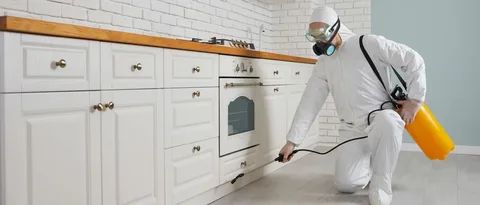
Professional exterminators have access to advanced treatments, specialized knowledge, and strategies that target the root of the problem.
Long-Term Mindset: Creating a Pest-Resistant Home
Managing pests isn’t a one-time task; it requires consistent attention. A pest-resistant home is built through:
- Routine Maintenance: Keeping your home in good repair.
- Hygiene Habits: Regular cleaning and safe food storage.
- Awareness: Knowing the signs of infestations and acting early.
By cultivating habits that make your home unappealing to pests, you reduce the likelihood of sudden and severe outbreaks.
Conclusion: Staying One Step Ahead
The sudden appearance of pests in your home may feel like a mystery, but there are always underlying causes. From environmental changes to overlooked food sources, pests are opportunistic invaders ready to exploit vulnerabilities. By understanding their behavior, recognizing the risks they bring, and committing to preventive measures, you can safeguard your home from infestations that seem to come out of nowhere.
While the occasional insect sighting is inevitable, a proactive and informed approach ensures that your home remains a safe, healthy, and comfortable environment for you and your family.