






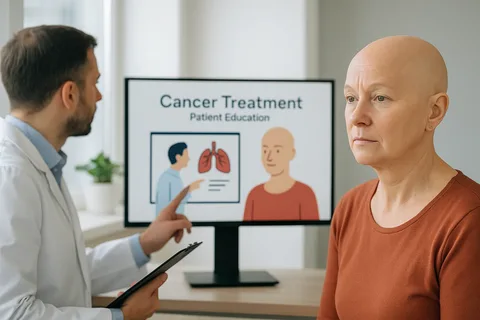
Cancer treatment has come a long way from the one-size-fits-all approach that dominated medicine for decades. Today, patients and doctors are moving toward something far more refined—care that adapts to the individual, not just the disease. This shift is especially visible in cities like Mumbai, where advanced medical infrastructure meets cutting-edge research.
If you’ve been exploring Personalized cancer treatment Mumbai, chances are you’re looking for clarity, hope, or simply better options. Let’s break down what this approach really means, how it works, and why it’s changing lives.
Personalized cancer treatment Mumbai
What Is Personalized Cancer Treatment?
Personalized cancer treatment—often called precision oncology—is a method where treatment is tailored based on a patient’s unique genetic, biological, and lifestyle profile.
Instead of treating cancer solely based on its location (like lung or breast), doctors analyze:
- Genetic mutations in the tumor
- Patient’s DNA profile
- Biomarkers and protein expression
- Response patterns to previous treatments
This helps create a treatment plan that is far more targeted and, often, more effective.

Why It Matters
Two patients with the same type of cancer can respond very differently to the same treatment. Personalized care acknowledges this difference and works around it, rather than ignoring it.
The Rise of Personalized Cancer Treatment in Mumbai
Mumbai has quietly become one of India’s leading hubs for advanced cancer care. Several factors contribute to this:
1. Access to Advanced Diagnostics
2. Multidisciplinary Expertise
Oncologists, geneticists, radiologists, and surgeons collaborate closely, ensuring every angle is covered.
3. Clinical Trials and Research
Many hospitals in Mumbai actively participate in global clinical trials, giving patients access to newer therapies before they become widely available.
How Personalized Cancer Treatment Works
Understanding the process can make it feel less overwhelming. Here’s how it typically unfolds:
Step 1: Comprehensive Diagnosis
Doctors begin with detailed imaging, biopsy, and staging of the cancer.
Step 2: Molecular and Genetic Testing
This is where things get more specific. Tumor samples are analyzed to identify genetic mutations or biomarkers that can be targeted.
Step 3: Treatment Mapping
Based on the findings, a customized treatment plan is developed. This may include:
- Targeted therapy
- Immunotherapy
- Hormone therapy
- Precision chemotherapy
- Combination treatments
Step 4: Continuous Monitoring
Treatment isn’t static. Doctors monitor progress and adjust the plan based on how the cancer responds.
Types of Personalized Cancer Treatments
Targeted Therapy
These drugs specifically attack cancer cells with certain mutations, leaving healthy cells relatively unharmed.
Example: A patient with a specific HER2 mutation in breast cancer may receive drugs that directly target that protein.
Immunotherapy
This approach boosts the body’s immune system to recognize and destroy cancer cells.
Real-world insight: Patients who didn’t respond to traditional chemotherapy have shown remarkable improvement with immunotherapy in certain cancers like melanoma and lung cancer.
Hormone Therapy
Used in cancers like breast and prostate, this therapy blocks hormones that fuel cancer growth.
Precision Chemotherapy
Even chemotherapy can be personalized today. Genetic testing can predict how a patient might react to certain drugs, helping avoid unnecessary side effects.
Benefits of Personalized Cancer Treatment
1. Higher Effectiveness
Treatments are chosen based on what is most likely to work for your cancer.
2. Fewer Side Effects
Since therapies are targeted, there’s less damage to healthy cells.
3. Faster Decision-Making
Genomic insights reduce trial-and-error in treatment selection.
4. Improved Quality of Life
Patients often experience better outcomes with fewer complications.
A Practical Example
Imagine two patients diagnosed with lung cancer.
- Patient A receives standard chemotherapy.
- Patient B undergoes molecular testing and discovers a specific mutation.
Patient B is then given a targeted drug designed for that mutation—and responds significantly better, with fewer side effects.
This isn’t hypothetical anymore. It’s happening every day in advanced oncology centers across Mumbai.
Challenges and Considerations
While the benefits are promising, personalized cancer treatment is not without its complexities.
Cost Factors
Advanced testing and targeted drugs can be expensive, although costs are gradually becoming more accessible.
Availability of Expertise
Not every facility offers full-scale precision oncology services. Choosing the right center matters.
Not Always Applicable
Some cancers may not yet have identifiable targets, limiting personalized options.
What Patients Should Know Before Starting
If you’re considering Personalized cancer treatment Mumbai, keep these points in mind:
Ask About Testing
Not all doctors recommend molecular profiling upfront. It’s worth discussing.
Understand Your Options
Request a clear explanation of why a particular treatment is suggested.
Seek a Second Opinion
Especially for complex cases, a second perspective can provide clarity.
Evaluate Support Systems
Cancer care is not just medical—it’s emotional and logistical. Choose a center that offers holistic support.
The Role of Technology in Personalized Care
Technology is the backbone of precision oncology.
Artificial Intelligence
AI helps analyze vast amounts of patient data to predict treatment outcomes.
Big Data
Global cancer databases allow doctors to compare cases and refine treatment plans.
Liquid Biopsies
A simple blood test can now detect tumor DNA, reducing the need for invasive procedures.
Future of Cancer Treatment in Mumbai
The future looks promising—and fast-moving.
- Gene editing techniques like CRISPR are being explored
- More affordable genomic testing is on the horizon
- Personalized vaccines for cancer are under development
Mumbai is expected to remain at the forefront of these innovations, bridging global advancements with local accessibility.
Emotional Side of Personalized Treatment
Beyond science, there’s a human side to this approach.
Patients often feel more hopeful knowing their treatment is specifically designed for them. It creates a sense of control in an otherwise uncertain journey.
Doctors, too, find it more fulfilling—because they’re not just treating cancer, they’re treating a person.
Choosing the Right Treatment Path
There’s no universal “best” treatment—only what’s best for you.
Personalized care allows for:
- Flexibility
- Adaptability
- Precision
And perhaps most importantly, it aligns treatment with the patient’s unique needs, values, and goals.
Conclusion
Cancer care is evolving, and with it, the expectations of patients. The shift toward Personalized cancer treatment Mumbai reflects a deeper understanding of both the disease and the individual facing it.
It’s not about replacing traditional treatments—it’s about enhancing them with intelligence, data, and empathy.
For those navigating a cancer diagnosis, this approach offers something invaluable: a treatment path that feels less generic and more personal—because it truly is.