



Mumbai never slows down. It’s a city of movement, ambition, and constant noise—but when illness enters the picture, everything changes. Families suddenly find themselves juggling hospital visits, medication schedules, and emotional stress, all while trying to keep daily life intact.
This is where patient care services in Mumbai step in—not as a luxury, but as a necessity.
Whether it’s post-surgical recovery, elderly care, chronic illness management, or simply assistance with daily activities, professional caregivers are becoming an essential part of modern healthcare support systems. And it’s not just about medical help—it’s about restoring dignity, comfort, and a sense of normalcy.
What Are Patient Care Services?
At its core, patient care services involve trained professionals providing medical and non-medical support to individuals who need assistance due to illness, injury, or age-related conditions.
These services can be delivered in multiple settings:
- At home
- In hospitals
- In assisted living environments
But in Mumbai, home-based care has seen the most rapid growth—and for good reason.
People prefer recovering in familiar surroundings. There’s something deeply comforting about your own bed, your own routine, your own space.

Why Mumbai Is Seeing a Rise in Home-Based Care
1. Fast-Paced Urban Life
Mumbai’s lifestyle doesn’t leave much room for extended hospital stays or constant caregiving by family members. Most households have working professionals, making full-time care difficult.
2. Aging Population
Many families now have elderly members who require ongoing support—sometimes not intensive medical care, but consistent monitoring and assistance.
3. Cost of Hospitalization
Hospitals in metropolitan cities can be expensive. Long-term stays can quickly become financially draining.
4. Emotional Well-being
Recovery isn’t just physical. Patients heal better when they feel emotionally supported and comfortable. Home care provides that balance.
Types of Patient Care Services Available in Mumbai
1. Home Nursing Care
This includes professional nurses who handle medical needs such as:
- Wound dressing
- Injections and IVs
- Monitoring vital signs
- Post-operative care
It’s particularly useful after surgeries or for patients with chronic conditions like diabetes or heart disease.
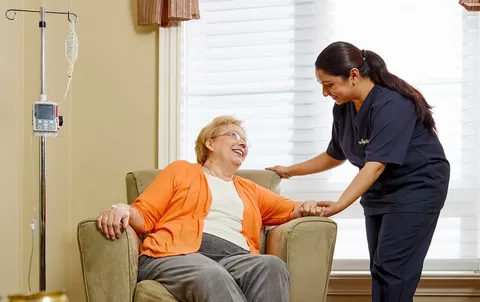
2. Elderly Care (Geriatric Support)
Aging comes with its own set of challenges—mobility issues, memory concerns, and general dependency.
Caregivers assist with:
- Daily activities (bathing, dressing, eating)
- Medication reminders
- Companionship
- Mobility support
Sometimes, what elderly patients need most isn’t medical—it’s someone who listens.
3. Post-Hospitalization Care
Coming home after a hospital stay can feel overwhelming. There are instructions, medications, dietary restrictions—too many things to track.
Care providers help bridge that gap by:
- Following discharge plans
- Coordinating with doctors
- Ensuring recovery stays on track
It reduces the risk of readmission, which is more common than people think.
4. Physiotherapy at Home
Recovery often involves movement—and that’s where physiotherapists play a key role.
They help with:
- Injury rehabilitation
- Stroke recovery
- Pain management
- Mobility improvement
And having sessions at home makes patients more consistent with therapy.
5. Palliative and Critical Care
For patients dealing with serious or life-limiting conditions, comfort becomes the priority.
These services focus on:
- Pain management
- Emotional support
- Maintaining dignity in care
It’s one of the most sensitive aspects of healthcare—and requires both skill and empathy.
Choosing the Right Patient Care Service in Mumbai
This is where many families feel uncertain. There are plenty of options, but not all are equal.
Here’s what actually matters:
1. Qualification and Training
Always check the credentials of caregivers. A trained nurse is very different from an untrained attendant.
Ask questions like:
- What certifications do they hold?
- Do they have experience with similar cases?
2. Background Verification
Trust is everything, especially when someone is entering your home.
Reliable agencies conduct:
- Police verification
- Identity checks
- Reference validation
Never skip this step.
3. Customization of Care
Every patient is different. A one-size-fits-all approach rarely works.
Good service providers:
- Assess the patient’s condition
- Create personalized care plans
- Adjust services as needed
4. Availability and Flexibility
Care needs can change overnight.
Choose providers who offer:
- 24/7 support
- Emergency response
- Flexible scheduling
5. Communication
Clear communication between caregivers, families, and doctors is crucial.
Look for services that:
- Provide regular updates
- Maintain care logs
- Are easily reachable
Real-Life Scenario: Why Professional Care Makes a Difference
Consider a middle-aged professional in Mumbai recovering from knee surgery.
Initially, the family tries to manage everything—medications, physiotherapy, daily tasks. Within days, it becomes overwhelming.
They hire a trained caregiver.
Suddenly:
- Recovery becomes structured
- Exercises are done correctly
- The patient feels more confident
- Family stress reduces
It’s not just about convenience—it’s about better outcomes.
Challenges in Patient Care Services (And How to Handle Them)
1. Inconsistent Quality
Not all agencies maintain high standards.
Solution:
Stick with reputed providers and check reviews or references.
2. Emotional Adjustment
Some patients resist having a “stranger” at home.
Solution:
Give it time. Introduce caregivers gradually and involve the patient in the decision.
3. Cost Concerns
Quality care does come at a price.
Solution:
Compare packages, understand what’s included, and prioritize essential services.
4. Dependency Issues
Long-term care can sometimes lead to over-dependence.
Solution:
Encourage independence wherever possible, especially during recovery phases.
The Human Side of Caregiving
It’s easy to talk about services, packages, and features—but caregiving is deeply human.
A good caregiver doesn’t just assist—they notice small things:
- A change in mood
- Loss of appetite
- Signs of discomfort
Sometimes, they become an emotional anchor for patients.
And in a city like Mumbai, where time is always short, that human connection becomes invaluable.
Technology and the Future of Patient Care in Mumbai
Healthcare is evolving, and patient care services are no exception.
We’re already seeing:
1. Remote Monitoring Devices
Tracking vitals like heart rate, oxygen levels, and blood pressure in real time.
2. Teleconsultations
Doctors can consult patients without in-person visits, saving time and effort.
3. Digital Care Plans
Families can track progress through apps and reports.
This blend of human care and technology is shaping a more efficient, responsive system.
When Should You Consider Patient Care Services?
Many families wait too long, thinking they can manage everything themselves.
But here are clear signs you might need support:
- The patient requires regular medical attention
- Daily tasks are becoming difficult
- Recovery is slower than expected
- Family members feel overwhelmed
Seeking help isn’t a failure—it’s a responsible decision.
Practical Tips for Families
- Start with a trial period before committing long-term
- Clearly define roles and expectations
- Keep emergency contacts easily accessible
- Stay involved, even with professional care in place
Caregiving works best when it’s a partnership.
Final Thoughts
Patient care services in Mumbai are no longer just an alternative—they’re becoming an integral part of modern healthcare.
They bring together medical expertise, emotional support, and practical assistance in a way that hospitals alone cannot provide.
At the heart of it, good care isn’t just about treatment. It’s about making someone feel safe, respected, and understood during some of the most vulnerable moments of their life.
And when done right, it doesn’t just help patients recover—it helps families breathe a little easier too.