






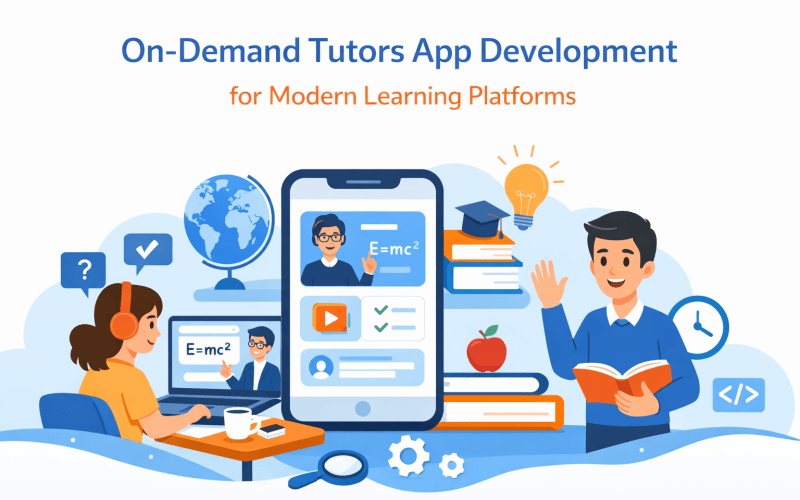
On-demand tutoring apps are digital platforms that connect students with tutors at the click of a button. Unlike traditional tutoring, which often resembles a game of hide-and-seek in physical locations, these apps provide a streamlined approach. They offer instant access to a global pool of expertise. Reports show that the global online tutoring market is expected to surpass $275 billion by the end of 2025, growing at an annual rate of 15%.
The primary driver of this growth is the shift in consumer expectations. Today’s students, from K-12 to adult learners, value flexibility. They want to learn from their couch, a coffee shop, or even while traveling. The ability to wear pajamas while mastering complex calculus is a tangible “win” for user retention.
Key Features of High-Engagement Platforms
To succeed in 2026, a tutoring app must move beyond simple video conferencing. It must become a cohesive ecosystem that supports both the tutor’s pedagogy and the student’s cognitive journey.
-
Real-Time Interaction Tools: Waiting for answers is a relic of the past. Modern platforms utilize live chat, high-definition video calls, and interactive whiteboards. These tools transform a static lesson into a dynamic conversation, allowing for simultaneous annotation and problem-solving.
-
Personalized Learning Paths: The “one size fits all” model is dead. Using machine learning, apps now analyze a student’s previous performance to create a tailor-made curriculum. This path adjusts in real-time, offering more practice in areas of weakness while accelerating through mastered topics.
-
Integrated Scheduling and Payments: Juggling calendars is a circus act that apps must simplify. Automated booking systems and secure, multi-currency payment gateways allow sessions to be booked on-the-fly. This removes the “friction” of administrative tasks, letting both parties focus on the education itself.

The Technical Foundation: A Robust Technology Stack
The “bones” of the application determine its scalability and user experience. A poor tech stack leads to lag, which is the ultimate “app-killer” in a live learning environment.
-
Frontend Technologies: The interface must be visually appealing and responsive. Frameworks like React Native or Flutter are the preferred choices in 2026. They allow for cross-platform development, ensuring that the app feels as smooth as butter on a hot pancake, whether accessed via a high-end tablet or a budget smartphone.
-
Backend Technologies: This is the “wizard behind the curtain.” Using Node.js or Django, the backend manages complex user requests, real-time data syncing, and the intricate logic of matching students with the right subject-matter experts.
-
Cloud Infrastructure: With oceans of data flowing through these apps, reliable cloud services are essential. Providers like AWS, Google Cloud, and Azure offer scalable storage solutions. These services ensure that every session recording and shared PDF is stored securely and remains accessible anytime.
User Experience (UX) and Inclusive Design
Good design for educational apps is about simplicity and intuition. If a student is frustrated by the interface, they cannot focus on the lesson.
-
Design Principles: Clarity is paramount. A clean layout ensures users do not wander aimlessly like a lost puppy. Consistent visual elements and engaging graphics keep the learner’s brain in “absorption mode” rather than “navigation mode.”
-
Accessibility: Inclusivity is not optional in 2026. Features such as screen readers, adjustable text sizes, and high-contrast color modes ensure that learners with disabilities are not left behind. This commitment to accessibility fosters a supportive environment for all.
-
The Feedback Loop: Feedback is the “breakfast of champions.” Implementing surveys and rating systems allows the app to evolve. This constant input loop ensures the platform acts like an educational chameleon, changing to meet the shifting needs of its user base.
Monetization and Marketing Strategies
Building a great app is only half the battle; it must also be a sustainable business.
-
Subscription Models: This is the “Netflix of tutoring.” Users pay a recurring fee for unlimited access to resources. This creates steady revenue and encourages loyalty.
-
Pay-Per-Session: Ideal for students who need a quick “emergency” session the night before a final exam. This model lowers the barrier to entry for new users.
-
Freemium and Upselling: Offer a robust basic version for free to hook the user. Once they see the value, you can upsell premium features, such as exclusive content or access to “Elite” tier tutors.
Marketing requires a precise target. Whether you are catering to high-schoolers or professionals, your content must speak their language. Leveraging TikTok for study tips or LinkedIn for professional development stories is essential. Furthermore, partnerships with schools and universities can provide instant credibility and a built-in user base.
Future Trends: AI, VR, and Beyond
The future of tutoring is powered by Artificial Intelligence and Immersive Reality.
-
AI Tutors: Machine learning can now provide instant, automated answers to basic queries, allowing human tutors to focus on high-level conceptual teaching.
-
VR/AR Integration: Virtual Reality is no longer just for gamers. Students can now study biology by walking through a virtual cell or explore ancient Rome in 3D. This brings the curriculum to life in a way that textbooks never could.
-
Shift in Preferences: Learners are moving toward “bite-sized” content. Apps that offer five-minute “micro-lessons” alongside hour-long sessions are seeing the highest engagement rates in the current market.
Conclusion
On-demand tutoring apps are poised to play a pivotal role in shaping the future of global education. By focusing on a seamless user experience, incorporating advanced AI, and strictly adhering to data privacy regulations (like COPPA and GDPR), developers can build platforms that empower. Embracing these innovations will ultimately allow learners to navigate their educational journeys with confidence and achieve their goals in an increasingly competitive world.