




Introduction
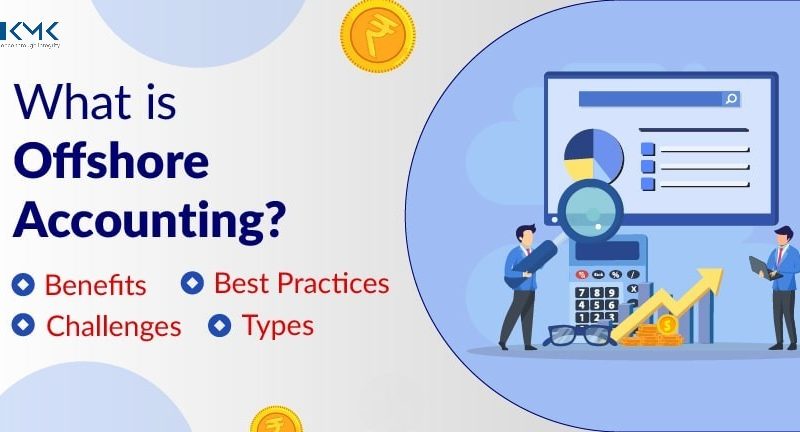
The business landscape is evolving faster than ever, and financial management is no exception. For U.S. companies, cost pressures, global competition, and the need for efficiency are driving a significant shift toward offshore accounting & taxation services. Once considered a cost-cutting strategy, offshore solutions are now a core component of modern finance strategies—helping businesses streamline compliance, gain access to expertise, and adopt the latest technologies.
So, what trends should U.S. businesses keep an eye on in 2025 when it comes to offshore accounting? Let’s explore.
Why Offshore Accounting Is Growing
Before diving into the trends, let’s take a quick look at why offshore accounting is growing so fast:
- Cost Savings: Hiring offshore teams can reduce labor costs by up to 70% without lowering the quality of service.
- Access to Talent: Businesses can work with skilled accountants from around the world, especially in countries with strong finance education.
- Time Zone Advantage: Offshore teams can work while your in-house team is offline, speeding up turnaround times.
- Focus on Core Tasks: Outsourcing allows business owners and managers to focus on strategy instead of day-to-day finance tasks.
These benefits continue to drive the growth of offshore accounting into 2025.
Why Offshore Accounting Matters Today
Before diving into the trends, it’s important to understand why more U.S. businesses are turning to offshore models. Offshore accounting offers:
- Access to skilled professionals at competitive rates
- Scalability to meet changing financial needs
- Round-the-clock operations across time zones
- Compliance expertise with international and U.S. tax laws
These benefits make offshore solutions more than just a cost-saving measure—they’re a growth enabler. For many businesses, offshore accounting & taxation services are helping strike the perfect balance between efficiency and compliance.
Key Offshore Accounting Trends for 2025
1. Rise of AI and Automation in Offshore Services
Artificial intelligence (AI) and robotic process automation (RPA) are transforming financial operations. Offshore providers are increasingly adopting tools that:
- Automate invoice processing and reconciliations
- Reduce errors in financial reporting
- Deliver real-time analytics and forecasting
For U.S. businesses, this means outsourcing partners are not just handling routine tasks but also providing smarter insights.
2. Expansion of Taxation Support Services
Tax compliance in the U.S. is becoming more complex with frequent changes in regulations. Offshore teams are stepping up by offering end-to-end tax management—from filing and reporting to advisory services.
In 2025, expect more outsourcing firms to specialize in:
- International tax compliance
- Cross-border transaction support
- Transfer pricing strategies
This expansion ensures that U.S. companies with global operations stay compliant while reducing risk.
3. Focus on Data Security and Compliance
With financial data being highly sensitive, security remains a top concern. Offshore providers are investing heavily in cybersecurity measures such as:
- Multi-layered encryption
- Strict access controls
- Regular compliance audits
For U.S. businesses, this trend provides reassurance that their data is protected according to international standards, making outsourcing a safer option than ever before.
4. Hybrid Outsourcing Models
In 2025, more companies will adopt hybrid models that combine in-house and offshore teams. For example:
- Routine bookkeeping handled offshore
- High-level financial planning managed in-house
This hybrid approach allows U.S. businesses to benefit from cost efficiency without sacrificing strategic control. It also creates smoother collaboration between finance leaders and outsourcing partners.
5. Greater Use of Cloud-Based Platforms
Cloud accounting is now the standard in offshore services. By integrating with platforms like QuickBooks, Xero, and NetSuite, offshore teams provide U.S. companies with:
- Real-time access to financial data
- Seamless collaboration across borders
- Transparent workflows and reporting
In 2025, cloud adoption will only grow stronger, making offshore accounting more efficient and accessible.
6. Flexible Pricing and Subscription Models
In 2025, more offshore accounting firms are offering flexible pricing to match the needs of different businesses. Instead of charging by the hour, many now offer:
- Monthly subscriptions
- Service bundles
- Project-based pricing
- Pay-as-you-go models
This approach helps clients better manage their budgets and know what to expect. Small businesses, in particular, benefit from clear and affordable pricing.
7. Demand for Real-Time Reporting and Insights
Business owners want more than just balance sheets—they want real-time insights that help them make decisions. Offshore accounting teams are now offering advanced reporting and dashboards that show:
- Profit and loss in real time
- Cash flow projections
- Spending trends
- Tax obligations
With better data, companies can act faster and plan smarter. Offshore teams are becoming trusted advisors, not just service providers.
8. Hybrid Teams and Blended Models
Another trend for 2025 is the rise of hybrid accounting teams. This means companies are combining in-house staff with offshore professionals to build a well-rounded finance team.
Benefits of this blended model include:
- More coverage and faster turnaround
- Access to global skills
- Cost savings without sacrificing quality
- Improved business continuity
Hybrid teams also give businesses flexibility during busy seasons like year-end or tax time.
9. Environmental and Social Responsibility
Clients in 2025 want to work with companies that share their values. Offshore firms are starting to focus more on being socially and environmentally responsible.
This includes:
- Fair pay and good working conditions for staff
- Eco-friendly digital operations
- Community support and outreach
- Transparent hiring and diversity efforts
Businesses that care about sustainability are now choosing partners who align with their goals.
10. Expansion Beyond Traditional Locations
Traditionally, popular offshore locations included India, the Philippines, and Eastern Europe. In 2025, companies are exploring new areas like:
- South Africa
- Vietnam
- Kenya
- Colombia
These regions offer skilled workers, good internet infrastructure, and cost savings. As demand grows, more countries are developing strong accounting talent pools to serve the global market.
Benefits of Embracing These Trends
Adopting offshore accounting in 2025 comes with several advantages for U.S. businesses:
- Cost Reduction: Lower labor and infrastructure expenses
- Expertise Access: Tap into specialized tax and compliance knowledge
- Time Savings: Free internal teams for strategic priorities
- Scalability: Adjust resources quickly based on growth or seasonal demand
- Global Competitiveness: Leverage 24/7 operations to stay ahead
By aligning with these trends, companies can focus on innovation and expansion while outsourcing financial complexities.
Challenges to Consider
Of course, outsourcing isn’t without its challenges. U.S. businesses must prepare for:
- Cultural Differences: Communication styles and time zones may require adjustment
- Integration with Existing Systems: Ensuring offshore teams align with in-house processes
- Vendor Selection: Choosing a trustworthy provider with a proven track record
Proactively addressing these concerns helps businesses maximize the benefits of offshore accounting.
The Future of Offshore Accounting & Taxation Services
Looking beyond 2025, offshore accounting is expected to become even more strategic. We’ll see:
- Predictive Analytics: Offshore teams using AI to forecast market and tax trends
- Blockchain Integration: Strengthening transaction transparency and audit readiness
- Niche Specializations: Providers focusing on industries like healthcare, retail, and technology
For U.S. businesses, this means offshore partnerships will evolve from being purely operational to becoming innovation-driven, providing both compliance and competitive advantages.
Final Thoughts
The accounting function is no longer just about balancing books—it’s about driving strategy, ensuring compliance, and leveraging technology for growth. In 2025, offshore accounting & taxation services will continue to transform how U.S. businesses operate, offering smarter, more secure, and more scalable financial management.
KMK Ventures is a leading provider of outsourced accounting services, serving a diverse range of industries across the globe. Our team of seasoned accounting professionals understands the unique financial challenges faced by different sectors and delivers tailored solutions to meet each client’s specific requirements. With deep expertise in financial management and a proactive approach to evolving industry trends and regulatory changes, we consistently deliver excellence in outsourced accounting. More than just traditional accounting, we offer forward-thinking, comprehensive solutions that drive operational efficiency. Partner with KMK Ventures for expert insight and top-tier accounting support
We are a team of over 475+ professionals including qualified certified public accountants (USA), chartered accountants as well as staff accountants who are always very excited and responsive to deliver our clients requirements. Our state-of-the-art infrastructure including highly secured offices with restricted access, technology set up and a well-trained team make us best-in-class.
Learn More Blog From worldwidediges