




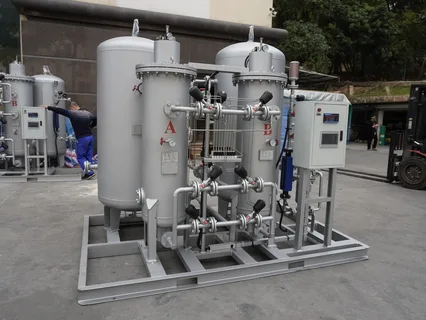
When you work in a laboratory, oxidation is one of the most common yet damaging chemical reactions you face. Whether you’re handling sensitive compounds, conducting analytical testing, or storing reactive materials, exposure to oxygen can compromise your results. That’s where a nitrogen generator becomes essential. By supplying a consistent stream of inert gas, you can effectively eliminate oxygen exposure and protect your work.
Understanding Oxidation in Laboratory Settings
Oxidation occurs when a substance reacts with oxygen, often leading to degradation, discoloration, or complete loss of functionality. In your lab, this can affect:
- Chemical reagents
- Pharmaceuticals
- Biological samples
- Electronic components
Even minimal exposure to oxygen can alter experimental outcomes. If you rely on precision and repeatability, controlling oxidation is not optional—it’s critical.
Why Nitrogen Is the Ideal Solution
Nitrogen is an inert gas, meaning it does not readily react with other substances. When you replace oxygen-rich air with nitrogen, you create a stable, non-reactive environment. This helps you:
- Preserve chemical integrity
- Extend shelf life of samples
- Improve reproducibility of experiments
- Minimize contamination risks
Using a high-purity nitrogen generator for laboratory oxidation control helps readers understand exactly what solution fits their needs.
How a Nitrogen Generator Works
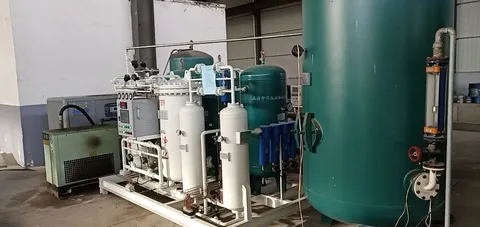
A nitrogen generator produces nitrogen gas on-site by separating it from compressed air. Instead of relying on gas cylinders, you generate nitrogen continuously, ensuring:
- Consistent purity levels
- Uninterrupted supply
- Reduced operational costs
Most systems use membrane or pressure swing adsorption (PSA) technology to isolate nitrogen molecules while removing oxygen, moisture, and other gases.
Practical Ways You Prevent Oxidation Using Nitrogen
Inert Atmosphere Creation
You can flood your work area, glove box, or reaction chamber with nitrogen to displace oxygen. This is especially useful when working with air-sensitive compounds.
For example, when handling lithium-based materials or organometallic compounds, even brief oxygen exposure can cause rapid degradation. Nitrogen prevents that entirely.
Sample Storage Protection
If you store chemicals or biological samples, oxidation can occur over time. By purging storage containers with nitrogen, you create an oxygen-free environment that maintains stability.
Using a reliable nitrogen generator for long-term sample preservation in laboratories ensures your materials remain viable for extended periods.
Solvent Degassing
Dissolved oxygen in solvents can interfere with reactions. You can bubble nitrogen through the solvent to remove oxygen before use, improving reaction accuracy.
This technique is widely used in chromatography and analytical chemistry workflows.
Instrument Protection
Sensitive lab instruments, such as mass spectrometers or gas chromatographs, often require oxygen-free conditions. Nitrogen helps maintain optimal performance and prevents internal oxidation.
Packaging and Sealing
If your lab involves product development or material testing, nitrogen flushing during packaging prevents oxidation during storage and transport.
Key Benefits You Gain
When you integrate a nitrogen generator into your lab workflow, you immediately notice several advantages:
Improved Accuracy: Eliminating oxygen reduces unwanted side reactions.
Cost Efficiency: No need for recurring gas cylinder purchases.
Safety Enhancement: Lower risk of handling high-pressure cylinders.
Operational Convenience: On-demand nitrogen supply whenever you need it.
Partnering with a trusted provider like advanced laboratory gas solutions from CleaTech LLC ensures you get reliable and high-performance systems tailored to your requirements.
Choosing the Right Nitrogen Generator
Not all nitrogen generators are the same. To effectively prevent oxidation, you should consider:
Purity Level: Higher purity is essential for sensitive applications
Flow Rate: Must match your lab’s demand
System Compatibility: Ensure integration with existing equipment
Maintenance Needs: Opt for low-maintenance designs
A compact nitrogen generator system for oxidation-sensitive lab applications is ideal if you’re working in limited space while still needing high efficiency.
Best Practices for Maximum Effectiveness
To get the most out of your nitrogen generator, follow these practical steps:
- Regularly monitor nitrogen purity levels
- Ensure airtight seals in containers and chambers
- Use proper tubing and connectors to prevent leaks
- Schedule routine maintenance checks
By doing this, you maintain a consistent oxygen-free environment and avoid unexpected contamination.
Why On-Site Nitrogen Generation Matters
Relying on external gas cylinders can introduce inconsistencies and logistical challenges. With an on-site system, you:
- Eliminate downtime caused by supply shortages
- Maintain consistent gas quality
- Reduce long-term operational costs
If you’re planning to upgrade your lab setup, now is the right time to explore on-site nitrogen generator solutions for oxidation prevention in laboratories.
For tailored guidance and expert support, you can always contact us today for customized nitrogen generator solutions to match your lab’s exact needs.
Frequently Asked Questions
How does a nitrogen generator prevent oxidation?
A nitrogen generator replaces oxygen in the environment with inert nitrogen gas, preventing chemical reactions that cause oxidation.
Is nitrogen safe to use in laboratories?
Yes, nitrogen is non-toxic and inert. However, proper ventilation is necessary to avoid oxygen displacement in confined spaces.
What purity level is required to prevent oxidation?
It depends on your application, but most lab processes require nitrogen purity between 95% and 99.999%.
Can I use a nitrogen generator for multiple lab applications?
Absolutely. You can use it for sample storage, solvent degassing, instrument support, and inert atmosphere creation.
Is a nitrogen generator better than gas cylinders?
Yes, it offers continuous supply, cost savings, improved safety, and consistent purity compared to cylinders.
How often does a nitrogen generator require maintenance?
Maintenance is minimal but should be performed periodically based on manufacturer recommendations to ensure optimal performance.