




Welding is a fundamental process in various industries, particularly in manufacturing, construction, and metal fabrication. Among the various welding techniques, MIG (Metal Inert Gas) welding stands out for its speed, efficiency, and user-friendliness.
However, the downside of this effective method is the production of harmful fumes. Therefore, implementing MIG welding fume extraction is paramount to ensuring the safety and wellness of workers continually exposed to these fumes.
While productivity is vital in any industry, creating a safe work environment is equally important. When welders have access to effective equipment, proper ventilation, and clean air, their health and focus can be greatly enhanced.
In this article, we will delve into the nature of MIG welding fumes, their associated health risks, and how MIG welding fume extraction systems play a crucial role in fostering healthier workplaces.
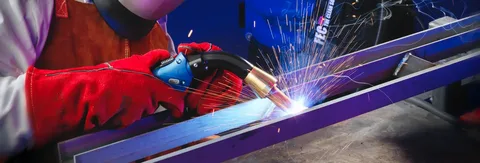
What Are MIG Welding Fumes?
MIG welding relies on heat to melt metal and fuse components together, which releases fumes composed of fine particles and gases. The fumes produced during this process originate from various sources, including:
- The metal being welded.
- The welding wire.
- Any coatings present on the metal’s surface.
These components release hazardous materials into the air when subjected to high temperatures, creating a cocktail of harmful pollutants that can jeopardize the health of workers if not addressed properly.
Health Risks of Welding Fumes
Exposure to welding fumes can lead to a range of health issues, particularly for welders who are regularly in contact with these emissions. Some common health problems associated with welding fumes include:
- Irritation of the Eyes, Nose, and Throat: Immediate exposure to welding fumes can cause discomfort, manifesting in redness, itching, and a burning sensation.
- Respiratory Issues: Prolonged exposure can contribute to respiratory problems, such as coughing, breathing difficulties, and the potential development of chronic lung diseases.
- Headaches and Dizziness: The inhalation of toxic fumes can lead to headaches and feelings of lightheadedness, which may interfere with a welder’s ability to concentrate.
- Long-term Lung Damage: Continuous exposure can lead to irreversible damage to lung tissues, increasing the risk of conditions like pneumonitis and pulmonary fibrosis.
- Increased Risk of Serious Illnesses: Long-term exposure to harmful welding fumes can increase the likelihood of developing severe illnesses, including lung cancer and neurological disorders.
The insidious nature of these health risks often leads to gradual deterioration, making it easy to overlook their consequences. To combat this, MIG welding fume extraction systems play a crucial role in alleviating these risks by capturing harmful fumes before they can be inhaled by workers.
What Is MIG Welding Fume Extraction?
MIG welding fume extraction refers to various technologies designed to capture and eliminate hazardous fumes directly at their source. Instead of allowing the fumes to disperse into the workspace, these systems efficiently extract harmful particles and gases, ensuring cleaner air for welders.
There are several types of MIG welding fume extraction solutions, including:
- Welding Torches with Built-in Extraction: These tools integrate extraction features that pull fumes away from the arc during the welding process.
- Portable Fume Extractors: These mobile units can be moved around the workshop, providing flexibility in extracting fumes from various welding stations.
- Central Extraction Systems for Large Workshops: These systems are designed to serve multiple welding stations simultaneously, offering a comprehensive solution for larger environments.
Regardless of the type, the primary objective of these fume extraction systems is to maintain cleaner air quality and provide safer working conditions for welders.
Why Healthier Workplaces Matter
Fostering a healthy workplace is beneficial for everyone involved. When workers are able to breathe clean air, they are not only healthier but also more focused on their tasks. The benefits of a healthier workplace include:
- Fewer Sick Days: A cleaner environment reduces the frequency of respiratory illnesses, leading to lower absenteeism among workers.
- Higher Productivity: Workers who are healthy and comfortable can concentrate better, ultimately leading to improved performance on the job.
- Better Job Satisfaction: A safe workplace fosters higher morale and satisfaction among employees, reducing turnover rates and enhancing team cohesion.
- Lower Long-term Health Costs: Investing in fume extraction not only protects employees but can lead to reduced healthcare costs for employers in the long run.
How MIG Welding Fume Extraction Works
MIG welding fume extraction systems operate by capturing fumes at the point of origin, which is crucial for minimizing the spread of harmful particles. The extraction process typically works as follows:
For example, extraction welding torches come with small openings positioned near the welding arc. These openings pull fumes directly into the extraction system as soon as they are produced. The air is subsequently filtered to eliminate harmful particles before being either returned to the workspace or safely vented outside.
This method ensures that the air remains cleaner during the welding operation, allowing welders to focus on their work without exposure to hazardous fumes.
Compliance with Safety Regulations
Many regions have established strict regulations concerning air quality in workplaces, particularly in environments where welding occurs.
Welding shops are often required to implement measures for fume control to safeguard the health of their workers. Utilizing MIG welding fume extraction systems can significantly aid companies in meeting these legal standards, ensuring compliance while promoting worker safety.
Long-Term Benefits for Businesses
Investing in MIG welding fume extraction is not merely a safety measure; it’s also a smart business decision. While the initial investment may seem high, companies often witness long-term benefits, which can include:
- Reduced Medical and Insurance Costs: Healthier workers mean fewer medical claims and lower insurance premiums over time.
- Less Employee Turnover: A commitment to workplace safety enhances employee retention, saving businesses the costs associated with hiring and training new staff.
- Improved Work Quality: When workers can focus on their tasks without health concerns, the quality of work improves, reducing mistakes and enhancing overall efficiency.
- A Stronger Company Reputation: Businesses that prioritize worker health and safety often bolster their reputation, making it easier to attract and retain both talent and customers.
Healthy employees tend to be more engaged and motivated, leading to better overall performance across the organization.
Creating a Culture of Safety
Integrating safety equipment, such as MIG welding fume extraction systems, into daily operations cultivates a culture of safety within the workplace. Employees begin to recognize that safety is a shared responsibility and that their well-being is paramount.
Training workers on how to use these extraction systems effectively is essential for maximizing their efficiency. Well-informed employees who understand how to operate the systems properly contribute to a safer work environment.
Conclusion
At Translas, we are committed to the principle that health and welding should coexist in harmony. Despite the strengths and utility of MIG welding as an indispensable technology, worker safety must remain a priority.
This underscores the importance of MIG welding fume extraction in modern work settings.
By investing in effective fume extraction solutions, businesses can protect their welders, enhance air quality, and create a safer, healthier workplace.
A commitment to worker health inevitably leads to stronger teams, improved performance, and a sustainable future. Ultimately, fostering a culture of health and safety not only benefits individuals but also elevates the entire organization.