






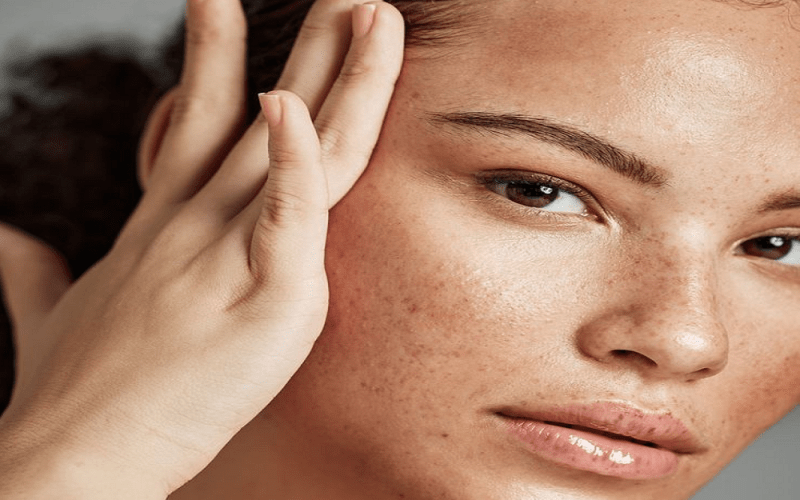
Melasma is a widespread pigmentation disorder characterized by brown or grayish patches that typically appear on the face. The situation isn’t harmful to your health, but it can really hurt your self-esteem and the way you look.
Many people look for professional help to manage it well. This is especially true when home remedies and basic skincare do not work. Understanding melasma, from its causes to treatments, is important. This helps you choose the best approach for lasting results.
Before you can choose the best Melasma Treatment in Islamabad, you need to know what the problem is. People with dark skin are more likely to get melasma. More likely to happen to women, especially when their hormones change. This can happen while you are pregnant or while you are on birth control.
Islamabad’s skin care clinics have advanced tools and modern treatments. These help specialists create solutions for different skin types. This ensures safe and effective results.
Causes and Triggers of Melasma
Melasma develops when melanocytes, the cells responsible for pigment production, become overactive. Several triggers can stimulate these pigment cells, leading to darker patches across the skin. Sun exposure remains the leading factor because UV rays directly impact melanin production. Even small amounts of sun can make melasma worse or cause new patches to appear.
Hormonal fluctuations are another major cause. Pregnancy, birth control pills, and hormone therapy can all stimulate the over-production of pigment.
There is also genetics to consider, since melasma often runs in families.
Stress, thyroid problems, and some medicines can also make pigmentation worse, which can make melasma last longer.
Diagnosing Melasma and Understanding Skin Assessment
Proper diagnosis is essential for selecting the right treatment plan. Skin doctors in Islamabad use specialized tools like Wood’s lamp examination to determine the depth of pigmentation. Experts classify melasma into three types: epidermal, dermal, or mixed. This depends on how deep the pigment is in the skin.
Epidermal melasma is more responsive to treatment, while dermal melasma requires more advanced therapies and long-term management. Understanding this distinction helps Skin doctors choose treatments that target pigment effectively without causing irritation or worsening the condition.
Topical Treatments for Melasma
Topical treatments are often the first step in managing melasma. Skin doctors give patients medicated creams. These creams help lighten dark spots, control melanin, and improve skin texture.
Hydroquinone is one of the most commonly used agents because it effectively reduces pigment. Kojic acid, azelaic acid, retinoids, and vitamin C help reduce pigmentation. They also promote healthy skin renewal.
Many specialists create customized topical regimens combining two or three active ingredients to achieve better results. You should use these formulations under supervision since strong ingredients may cause sensitivity if you misuse them.
Chemical Peels for Enhanced Skin Brightening
A lot of people with mild to severe melasma are told to use chemical peels. These peels get rid of the broken top layers of skin, which helps new skin cells grow and fades pigmentation. Peels with glycolic acid, salicylic acid, lactic acid, and TCA are popular ways for skin doctors to treat melasma.
Dermatology clinics in Islamabad offer controlled peeling treatments that get the job done with little downtime. Having more than one lesson, spaced out by a few weeks, usually works best.
Following post-peel care instructions is important. This includes using sun protection and hydrating skincare. Doing so helps prevent irritation and keeps your results.
Laser and Light-Based Therapies
People with stubborn melasma that doesn’t get better with chemical treatments or peels often think about laser therapy. Q-switched lasers, fractional lasers, and picosecond lasers are new technologies. They can help break down pigment particles deep in the skin.
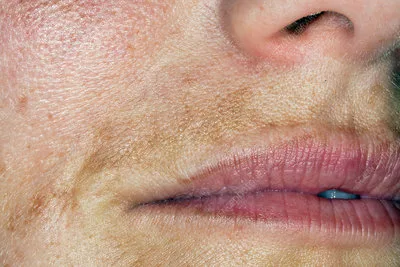
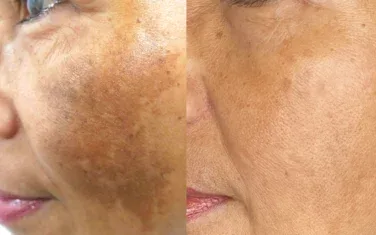
Laser treatments need to be done by a professional because settings that are too harsh can make melasma worse instead of better. Skin doctors in Islamabad use advanced devices. These devices have adjustable settings.
This helps create personalized treatment plans. Each plan matches the patient’s skin type and melasma depth. While results can be impressive, people usually combine laser therapy with maintenance skincare to prevent recurrence.
Micro-needling and Combination Procedures
Micro-needling has become an increasingly popular option for melasma treatment. This technique uses small needles to make tiny channels in the skin.
This helps brightening serums and growth factors go deeper. These micro-injuries stimulate collagen production, improving both pigmentation and texture. When combined with topical brightening agents or platelet-rich plasma (PRP), micro needling becomes even more effective.
Some dermatologists also combine micro needling with chemical peels or light-based therapies for a holistic approach to melasma management. Combination therapy often yields faster and more stable results than using a single treatment method.
The Role of Sun Protection in Melasma Management
Regardless of the treatment chosen, sun protection is the cornerstone of melasma management. Without proper sun protection, melasma can return even after successful treatment. Dermatologists recommend using a broad-spectrum sunscreen with SPF 50 or higher every day. This is important whether you are outside or inside.
UV-rays can penetrate windows, contributing to pigmentation even on cloudy days. Wearing hats, sunglasses, and protective clothing further minimizes exposure. In Islamabad, the sun is strong for most of the year. Having good sun protection habits is important for long-term success.
Lifestyle Habits That Support Melasma Treatment
Lifestyle changes can significantly improve treatment outcomes. A balanced diet rich in antioxidants helps reduce inflammation and supports skin healing.
Managing stress is also important because high cortisol levels can worsen pigmentation. Individuals with hormonal imbalances should consult healthcare providers to determine whether adjustments to medications or hormonal therapies are necessary.
Staying away from rough skin care items like scrubs and irritants can help stop inflammation that can lead to melasma. Consistency in skincare routines and dermatologist-recommended products ensures steady improvement over time.
Importance of Professional Treatment in Islamabad
Islamabad is now a popular place for skin care. It has skilled doctors and modern clinics that offer advanced treatments. City professionals use advanced equipment and custom treatment plans to suit different skin types.
Dermatologists don’t focus on quick fixes; instead, they stress long-term care and good skin health. With this method, the effects are not only useful, but they will also last. To treat melasma effectively, you need to be patient, go back for follow-up visits, and be constantly watched to make sure your skin reacts well to therapy.
Patient education and long-term maintenance are pillars of melasma treatment in these locales. Melasma is a condition that lasts for a long time, so it requires ongoing care instead of a quick solution. To manage it, you need to follow a daily skincare routine, use mineral sunscreen (especially one with iron oxide), and visit a dermatologist for follow-up treatments as needed. This method is also used in Islamabad.
In many places, including countries in the Gulf and Southeast Asia, the main goal is not to change the color of the skin but to make the skin tone more even and bring back its natural glow. Safe and proven treatments are used to achieve this. The way melasma is treated in these regions is modern, personalized for each person, and focused on keeping the skin healthy over the long term.
Why Combination Therapy Works Best
Because melasma is a multifaceted problem, dermatologists often suggest a mix of treatments to get the best results. Topical creams may help stop the production of color, and chemical peels remove dead skin cells. Deeper discoloration is targeted by laser treatments, and regular sun protection stops the problem from happening again.
All of these methods attack melasma from different directions, which increases the chance of long-lasting success. A lot of people notice that the color slowly fades over a few months. But depending on how bad the condition is, the end effect may take longer.
Long-Term Expectations and Results
Dealing with melasma is a process that needs time and consistency. While treatments significantly lighten pigmentation, proper maintenance routines can prevent melasma from returning. Many dermatologists recommend ongoing use of mild topical products and periodic clinic treatments to keep pigmentation under control.
Setting realistic expectations ensures long-term satisfaction. You cannot cure melasma, but you can control it with proper care. This helps you keep a brighter and more even skin tone.
Melasma treatment in countries like Islamabad focuses on places with similar demographics and sun intensity. These countries combine advanced technology with holistic care.
Furthermore, these medical tourism hubs integrate holistic diagnostics into their melasma treatment plans. Like the best clinics in Islamabad, they often use visia complexion assessment and reflectance confocal microscopy. This helps them check pigment depth before creating a treatment plan.
The treatment approach usually combines different methods. It includes oral tranexamic acid (when approved), special topical blends, and in-office procedures. These procedures often avoid using high-strength hydroquinone for a long time. Micro needling with PRP and gentle laser toning are common in-office treatments.
Melasma treatment in the United Arab Emirates, Saudi Arabia, and Malaysia is similar to treatment in Islamabad.
In the United Arab Emirates, this includes cities like Dubai and Abu Dhabi. In Saudi Arabia, it includes Riyadh and Jeddah. In Malaysia, the city is Kuala Lumpur.
These regions have important similarities. They have a large population with Fitzpatrick skin types III to V. These skin types have darker tones that are more likely to develop pigmentation. The sun is intense all year round.
Conclusion
Melasma may be persistent, but it is far from unbeatable. Skilled dermatologists in Islamabad offer advanced treatments. With their help, people can greatly improve their skin tone and texture.
No matter if you use creams, chemical peels, laser therapy, or a mix of these, being consistent is key. Also, protecting your skin from the sun is important for lasting results. If you are thinking about treatment options, it helps to know the Melasma Treatment Cost in Islamabad. This cost can change based on how severe the pigmentation is, the clinic’s expertise, and the types of procedures in your treatment plan.