




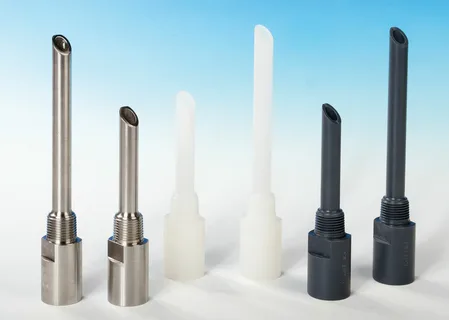
Material Selection for High-pressure injection systems that are widely used in oil and gas operations to introduce chemicals into pipelines under controlled conditions. These systems operate in environments where pressure, temperature, and chemical exposure can vary significantly. Because of this, the materials used in each component must be chosen carefully.
An injection quill is one such component that directly interacts with both the pipeline and the injected chemical. It extends into the pipeline and delivers fluids into the flow stream, often under demanding operating conditions.
Role of Injection Quills in High Pressure Systems
Injection systems are designed to deliver chemicals accurately into pipelines without interrupting operations. The quill acts as the entry point for these chemicals and is exposed to both internal pipeline conditions and the injected fluid.
In high pressure environments, the device must maintain structural integrity while ensuring proper chemical distribution. A poorly selected material can lead to deformation, corrosion, or failure, which may affect the entire system.
The use of injection quill components in such conditions requires materials that can handle mechanical stress along with chemical exposure.
Why Material Selection Matters
Resistance to Pressure
High pressure systems place continuous stress on pipeline components. The selected material must be able to withstand this pressure without cracking or deforming.
Corrosion Protection
Pipelines often carry fluids that contain water, gases, and other corrosive elements. The injected chemicals themselves may also react with certain materials. Choosing the right material helps prevent internal damage.
Temperature Stability
In many operations, temperature levels can fluctuate. Materials must remain stable and retain their properties under both high and low temperature conditions.
Long-Term Reliability
Frequent component replacement can increase downtime and maintenance costs. Proper material selection helps ensure longer service life and consistent performance.
Oil and gas equipment manufacturer companies evaluate all these aspects during the design phase.
Common Materials Used
Stainless Steel
Stainless steel is widely used for its corrosion resistance and ability to withstand moderate pressure. It is suitable for many general applications.
Duplex and Super Duplex Steel
These materials offer higher strength and better corrosion resistance than standard stainless steel. They are commonly used in offshore and aggressive environments.
Alloy-Based Materials
Special alloys are used in situations involving high temperature or highly reactive chemicals. These materials offer better resistance to stress and chemical attack.
Coated Materials
In some cases, coatings are applied to improve resistance against specific chemicals or environmental conditions.
The choice depends on the operating environment and the type of chemical being injected through the quill.
Factors Influencing Material Selection
Chemical Compatibility
Different chemicals react differently with materials. It is important to select a material that does not degrade when exposed to the injected substance.
Pressure Rating
The material must meet the required pressure rating of the system to avoid mechanical failure.
Flow Conditions
Turbulence and flow velocity can impact wear and tear. Materials must be able to handle continuous exposure to moving fluids.
Installation Location
Whether the system is onshore or offshore can affect material choice due to environmental exposure such as humidity or salt content.
Oil and gas equipment manufacturer companies typically assess these parameters before selecting materials.
Risks of Poor Material Selection
Structural Failure
If the material cannot withstand system pressure, it may crack or break, leading to leakage or shutdown.
Corrosion Damage
Incompatible materials may corrode quickly, reducing the lifespan of the component.
Contamination
Material degradation can introduce unwanted particles into the pipeline, affecting process quality.
Increased Maintenance
Frequent repairs or replacements can increase operational costs and downtime.
Using properly selected materials in quill systems helps reduce these risks.
Design Considerations Along with Material
Material selection is closely linked with design aspects. Both must work together for effective performance.
Length and Positioning
The quill must extend to the correct depth inside the pipeline to ensure proper chemical mixing.
Wall Thickness
Thickness must be sufficient to handle pressure while maintaining flow efficiency.
Connection Type
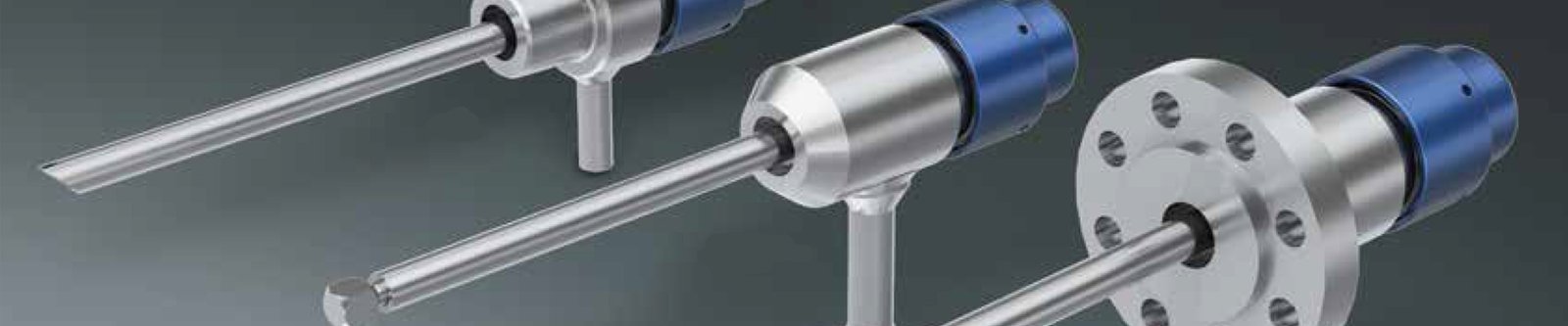
Threaded or flanged connections must match system requirements and support the selected material.
Tip Design
The discharge tip should allow controlled release of chemicals without causing turbulence or blockage.
Oil and gas equipment manufacturers integrate these design elements with material selection to ensure proper operation.
Maintenance and Inspection Considerations
Even with the right material, regular inspection is necessary to maintain system performance.
Routine Checks
- Inspection for corrosion or surface damage
- Checking for blockages at the discharge point
- Monitoring for leakage at connection points
Replacement Planning
Materials degrade over time, especially in harsh conditions. Scheduled replacement helps avoid unexpected failures.
Cleaning Procedures
Proper cleaning prevents buildup and maintains smooth chemical flow.
When quill systems are maintained properly, they perform reliably over extended periods.
Advantages of Proper Material Selection
- Improved resistance to pressure and corrosion
- Longer operational life
- Reduced maintenance requirements
- Stable performance in varying conditions
- Lower risk of system failure
These advantages highlight the importance of selecting suitable materials during the initial design stage.
Practical Considerations in Industrial Use
In real-world applications, material selection is often based on a balance between performance and cost. While high-grade materials may offer better durability, they must also align with project requirements and budget.
An Oil and gas equipment manufacturer often offers options based on operating conditions, allowing users to choose materials that meet both technical and economic needs.
The use of injection quill components in high-pressure systems requires prioritizing safety and reliability over short-term cost savings.
Conclusion
Material selection plays a key role in the performance of high pressure injection systems. The choice of material affects durability, corrosion resistance, and the ability to withstand demanding operating conditions.
An injection quill must function reliably within the pipeline while being exposed to both pressure and chemical interaction. Selecting the right material helps prevent failures, reduces maintenance, and supports consistent operation.
Oil and gas equipment manufacturers consider multiple technical factors to ensure these components meet system requirements. For applications needing reliable solutions, NND OIL & GAS offers equipment built to operate efficiently in high-pressure settings.