




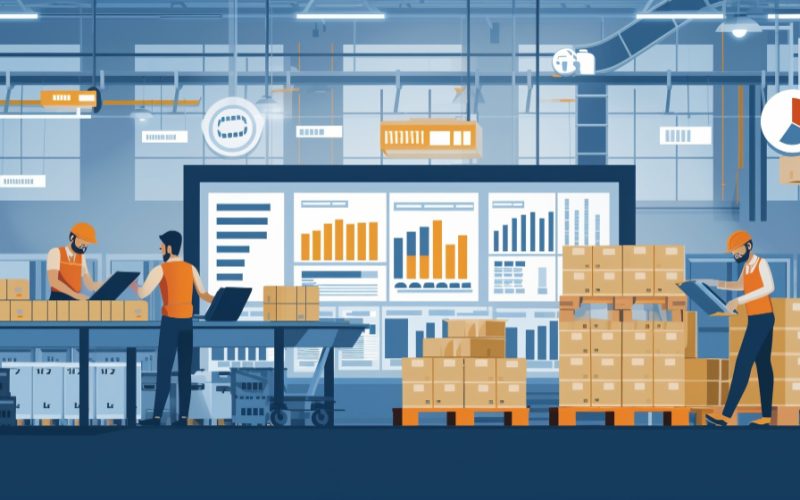
Manufacturing Production Scheduling Software development has become a key focus for businesses that need precise control over production planning. As manufacturing systems grow more complex, companies are moving away from manual scheduling and adopting structured digital solutions that support real-time decision-making.
A well-built production planning system does more than assign jobs. It connects data from machines, inventory, and workforce systems to create a reliable production schedule. This level of coordination is difficult to achieve without dedicated scheduling software development.
Overview of Manufacturing Production Scheduling Software Development
Manufacturing industries are seeing a steady shift toward digital scheduling systems. Increased demand variability, shorter delivery timelines, and global supply chain dependencies have made manual planning less effective. Businesses now require systems that can adapt quickly to change.
Manufacturing Production Scheduling Software development addresses this need by creating systems that align with real production workflows. These systems help manage constraints such as machine capacity, labor availability, and order priority. They also support better coordination across departments.
Another reason for this shift is the role of modern manufacturing software engineering in improving efficiency. A well-designed scheduling system reduces delays, improves resource use, and provides better visibility into operations. It also allows businesses to respond to unexpected disruptions without losing control of the production process.
Why Businesses Invest in Development
Businesses invest in scheduling software development for practical reasons. Standard tools may not support complex workflows or industry-specific requirements. Custom development allows companies to build systems that reflect their operational needs.
Competitive pressure is another factor. Manufacturers that can plan and execute production more efficiently often deliver faster and at lower cost. This creates a clear advantage in markets where margins are tight and customer expectations are high.
Development Process of Scheduling Software
Developing a production planning system involves several stages. Each stage focuses on ensuring that the system aligns with real-world operations and performs reliably under different conditions.
Requirement Analysis
The process begins with understanding how the factory operates. This includes mapping workflows, identifying dependencies between tasks, and studying how resources are currently used.
Constraints are also defined at this stage. These may include machine limitations, workforce schedules, and material availability. A clear understanding of these factors is essential for building an accurate scheduling system.
Stakeholder input plays an important role. Production managers, planners, and operators provide insights that help shape system requirements.
System Design and Architecture
Once the requirements are clear, the system structure is planned. This involves defining how different components interact and how data flows through the system.
Key considerations include:
- How scheduling logic will be implemented
- How real-time updates will be handled
- How the system will integrate with existing tools
A well-planned architecture ensures that the system remains stable and can support future changes. It also reduces the risk of performance issues as the system grows.
Development and Testing
During development, features are built based on the defined design. This includes scheduling algorithms, user interfaces, and integration components.
Testing is carried out alongside development. The goal is to ensure that the system performs accurately under different scenarios. For example, the system may be tested for handling delays, resource shortages, or sudden changes in demand.
Performance validation is also critical. The system must process large volumes of data without slowing down or producing errors.
Deployment and Maintenance
After testing, the system is deployed in the production environment. This step involves careful planning to minimize disruption to ongoing operations.
Deployment often includes:
- Data migration from existing systems
- User training
- Initial performance monitoring
Maintenance continues after deployment. Regular updates are required to address new requirements, fix issues, and improve performance over time.
Technologies Used in Scheduling Software Development
Manufacturing Production Scheduling Software development relies on a combination of technologies that support data processing, system reliability, and integration.
Backend and Database Systems
Backend systems handle the core logic of the scheduling application. They process production data, manage workflows, and generate schedules.
Databases store information such as job details, resource availability, and production history. Reliable database design is essential for ensuring data accuracy and system performance.
These components must work together to handle large volumes of data while maintaining consistency.
Cloud Infrastructure
Cloud-based systems provide flexibility and accessibility. They allow users to access scheduling tools from different locations, which is useful for businesses with multiple production sites.
Cloud infrastructure also supports scalability. As production data grows, the system can expand without requiring major changes to its structure.
Another advantage is reliability. Cloud platforms often provide built-in backup and recovery options, which help protect critical data.
Integration Technologies
Scheduling systems rarely operate in isolation. They need to connect with other systems such as ERP platforms, inventory systems, and shop floor tools.
Integration technologies enable this connectivity. They allow data to move between systems in a consistent and reliable way.
Key integration needs include:
- Synchronizing production orders
- Updating inventory levels
- Sharing real-time machine data
Effective integration ensures that the scheduling system reflects actual production conditions.
Common Challenges in Development
Developing factory software solutions for scheduling is not without challenges. These challenges often arise from the complexity of manufacturing environments.
Integration Complexity
Many manufacturing systems rely on legacy tools that were not designed for modern integration. Connecting these systems with new scheduling software can be difficult.
Data formats may differ, and real-time communication may not be supported. This requires careful planning and sometimes additional layers of system design.
Data Accuracy Issues
Scheduling systems depend on accurate data. If inputs are incomplete or outdated, the resulting schedule may not reflect actual conditions.
Common issues include:
- Incorrect inventory data
- Delays in updating the machine status
- Inconsistent data across systems
Maintaining data accuracy requires consistent processes and reliable data sources.
Performance and Scalability
As production operations grow, the volume of data increases. The system must handle this growth without slowing down.
Performance issues can affect scheduling accuracy and user experience. For example, delays in processing data may lead to outdated schedules.
Scalability is equally important. The system should support increased workloads without requiring major redesign.
Conclusion
Manufacturing Production Scheduling Software development plays a central role in modern production planning. It provides the structure needed to manage complex workflows, coordinate resources, and respond to changing conditions.
A well-developed system combines clear requirements, strong architecture, and reliable technologies. At the same time, it must address challenges such as integration, data accuracy, and performance.
Businesses that invest in effective scheduling software development gain better control over production and improve their ability to meet operational demands.