




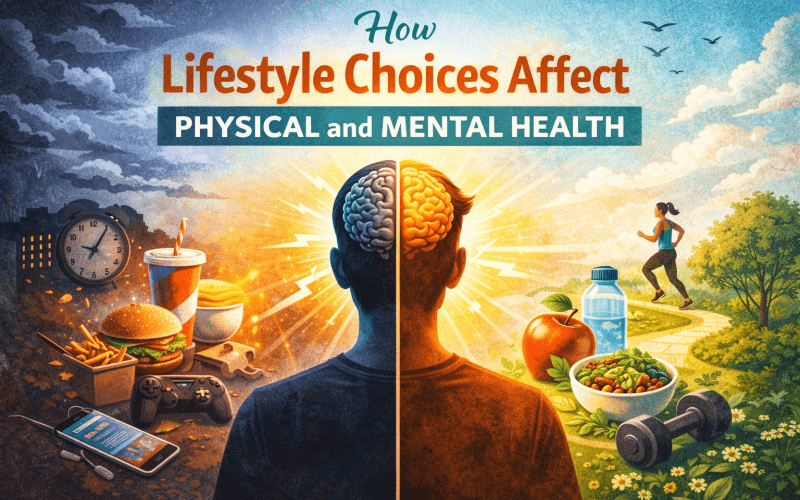
Every single day, you make decisions that quietly shape your future. From the moment you wake up to the time you fall asleep, your lifestyle choices influence how you feel, how you think, and how your body functions. Although many of these decisions seem small, they gradually build the foundation of your physical and mental health.
Lifestyle is not just about major resolutions or dramatic changes. Instead, it is about daily patterns—what you eat, how much you move, how you manage stress, how well you sleep, and even how you speak to yourself. Over time, these habits either strengthen your well-being or slowly weaken it.
Understanding this connection can help you take control of your health powerfully and sustainably.

The Physical Impact of Daily Habits
Your body is incredibly responsive to routine. When you nourish it properly, it rewards you with energy and resilience. However, when unhealthy habits become consistent, the body eventually reflects that neglect.
Nutrition and Energy
In contrast, diets high in processed foods and sugar often lead to inflammation, fatigue, and poor concentration. While the effects may not be immediate, long-term unhealthy eating patterns increase the risk of obesity, heart disease, and metabolic disorders.
Therefore, mindful eating is one of the most powerful lifestyle choices you can make.
Movement and Strength
Physical activity plays a vital role in maintaining both strength and mobility. Consistent activity boosts heart health, fortifies muscles, and increases flexibility. Additionally, exercise supports hormone balance and boosts metabolism.
On the other hand, a sedentary lifestyle weakens muscles, reduces endurance, and slows down circulation. Over time, inactivity increases the likelihood of chronic conditions such as diabetes and joint pain.
Importantly, exercise does not need to be extreme. Even simple activities like walking, stretching, or light strength training can significantly improve overall health when done consistently.
Sleep and Recovery
Sleep is often underestimated, yet it is one of the most critical health factors. During sleep, the body repairs tissues, restores energy, and balances essential hormones. Meanwhile, the brain processes memories and regulates emotions.
However, insufficient sleep disrupts these processes. As a result, you may experience irritability, reduced concentration, and weakened immunity. Chronic sleep deprivation has also been linked to heart problems and mental health disorders.
By maintaining a regular sleep schedule and limiting screen time before bed, you support both physical recovery and mental clarity.
The Mental and Emotional Consequences of Lifestyle
While physical health is visible, mental health is equally shaped by daily choices. In fact, the two are deeply interconnected.
Stress and Its Effects
Stress is a natural response to challenges. However, when stress becomes constant, it begins to damage both the mind and body. Chronic stress increases cortisol levels, which can lead to headaches, digestive issues, and weakened immunity.
Emotionally, prolonged stress often causes anxiety, mood swings, and burnout. Over time, it may even contribute to depression.
Therefore, learning to manage stress is essential. Techniques such as deep breathing, meditation, journaling, or spending time in nature can significantly reduce tension. Even short breaks during a busy day help reset your mental state.
Screen Time and Mental Overload
Modern technology has transformed communication and productivity. Nevertheless, excessive screen time can overwhelm the brain. Constant notifications and endless scrolling overstimulate the mind, reducing attention span and increasing anxiety.
Moreover, social media comparison often impacts self-esteem. When people constantly measure themselves against unrealistic standards, dissatisfaction grows.
Creating digital boundaries—such as setting screen-free hours—can restore focus and emotional balance.
Social Connections and Emotional Strength
Human beings are naturally social. Supportive relationships enhance emotional well-being and provide comfort during difficult times. Meaningful conversations reduce stress and improve resilience.
Conversely, isolation or unhealthy relationships may lead to loneliness and emotional exhaustion. Therefore, nurturing positive connections is just as important as maintaining physical health.
The Power of Small Consistent Choices
One of the most important truths about lifestyle is that small actions compound over time. A single unhealthy meal will not cause serious harm. Similarly, one missed workout will not destroy progress. However, repeated patterns gradually define your health.
For example:
- Drinking enough water daily improves digestion and energy.
- Choosing whole foods over processed snacks supports long-term wellness.
- Taking short walks boosts circulation and clears mental fog.
- Practicing gratitude enhances emotional stability.
Although these habits seem minor, they accumulate into significant results.
On the other hand, neglecting self-care also compounds. Skipping sleep, ignoring stress, and avoiding movement may not show immediate consequences, but eventually, the body and mind respond.
The Mindset Factor
Lifestyle is not only about physical actions; it also includes your mindset. The way you think about yourself influences stress levels and emotional health.
Negative self-talk increases anxiety and reduces confidence. If you constantly criticize yourself, your mental health suffers. In contrast, practicing self-compassion promotes resilience and motivation.
For instance, instead of saying, “I failed,” try saying, “I am learning.” This subtle shift reduces emotional pressure and encourages growth.
A healthy mindset strengthens your ability to maintain positive habits.
Long-Term Benefits of Healthy Lifestyle Choices
When you consistently make supportive choices, the rewards extend beyond appearance. Energy becomes stable rather than unpredictable. Mood improves, making daily challenges easier to manage. Focus sharpens, enhancing productivity.
Furthermore, healthy habits reduce the risk of chronic illnesses such as heart disease, diabetes, and hypertension. Mentally, they lower the likelihood of anxiety and depression.
Over time, your confidence grows because you feel in control of your well-being.
Building a Sustainable Routine
Sustainability is key. Extreme diets and intense routines often lead to burnout. Instead, aim for balanced improvements.
Start small. Replace sugary drinks with water. Add a short walk after meals. Prioritize seven to eight hours of sleep. Schedule time for relaxation.
Gradually, these changes become part of your identity. You no longer “try” to be healthy—you live in a way that supports health naturally.
Final Thoughts
Lifestyle choices are powerful because they operate quietly. You may not notice their impact immediately, but over months and years, they define your physical strength and emotional stability.
While you cannot control every external factor, you can control daily habits. By choosing nourishing food, regular movement, sufficient rest, stress management, and positive thinking, you create a strong foundation for both body and mind.