






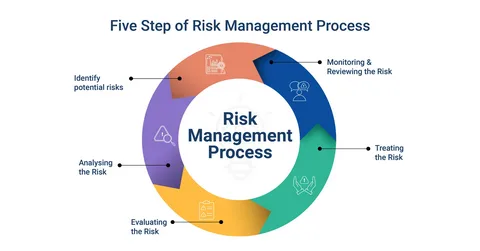
In many workplaces, risk assessments are completed as a routine task rather than a living safety tool. A supervisor may fill out forms, tick boxes, and file documents, but when an actual incident occurs, the risk profile often fails to reflect real hazards on the ground. This gap between documentation and real-world conditions is one of the most common reasons organizations struggle with compliance.
This issue becomes even more critical when professionals begin formal safety learning such as the IOSH Managing Safely Course. Learners often realize that creating a risk profile is not just about listing hazards but about ensuring legal accuracy, consistency, and practical application in real working environments. Many risk profiles fail legal standards because they miss this deeper connection between theory and workplace reality. Understanding why these failures happen is essential for anyone involved in safety management, from beginners to experienced supervisors.
What a Risk Profile Actually Represents in Legal Terms
A risk profile is not just an internal document. It is a structured representation of workplace hazards, likelihoods, and control measures that must align with legal expectations. Regulatory bodies expect organizations to demonstrate that risks have been identified, evaluated, and controlled using a systematic approach.
In simple terms, a risk profile should prove that the workplace understands its hazards and has taken reasonable steps to manage them. When this alignment is missing, legal compliance becomes weak even if documentation exists.
Many organizations assume that completing paperwork is enough. However, regulators focus on whether the risk profile reflects actual conditions and whether controls are effective in practice.
Why Many Risk Profiles Fail to Meet Legal Standards
Risk profiles often fail because they are treated as static documents rather than dynamic safety tools. In reality, workplaces are constantly changing due to new equipment, staff rotation, maintenance activities, and operational pressures.
One of the major expectations in structured safety training like the IOSH Managing Safely Course is understanding that risk assessment must evolve with workplace conditions. When this principle is ignored, legal gaps begin to appear.
1.Lack of Real Workplace Observation
One of the most common failures is poor hazard identification. Many risk profiles are created without physically observing the work environment.
For example, a factory supervisor may document machine risks but fail to notice unsafe material storage behind the production line. If an incident takes place there, the risk profile will not withstand legal examination
2.Over-Reliance on Generic Templates
Organizations often reuse old risk assessment templates without adapting them to current operations. While templates are useful, they cannot replace site-specific evaluation.
Legal standards require context-specific assessments, not generic descriptions that apply to any workplace.
3.Incomplete Understanding of Legal Requirements
Some risk profiles fail simply because the person creating them is not fully aware of legal expectations. This includes understanding hierarchy of controls, duty of care, and documentation standards.
Without this knowledge, risk profiles become descriptive rather than compliance-driven.
Common Structural Weaknesses in Risk Profiles
Even when hazards are identified correctly, structural issues can still lead to non-compliance. These weaknesses often go unnoticed until an inspection or incident occurs.
Missing or Weak Risk Ratings
Many profiles fail to properly evaluate severity and likelihood. This leads to inconsistent prioritization of hazards, where minor risks are overemphasized while major risks are underestimated.
Poorly Defined Control Measures
Control measures should be clear, practical, and measurable. Instead, many documents include vague statements such as “take care” or “be cautious,” which have no legal value.
Lack of Review and Updates
A risk profile is only valid if it is regularly reviewed. Workplaces that fail to update assessments after incidents or operational changes often fall short of legal expectations.
A real-world example can be seen in construction sites where scaffolding risks are documented at the start of a project but not updated when new structures or methods are introduced. This creates a serious compliance gap.
Human Factors That Lead to Legal Non-Compliance
Not all failures are technical. Many arise from human behavior and organizational culture.
1.Time Pressure and Workload
Employees responsible for safety documentation often face tight deadlines. As a result, risk assessments may be rushed or completed without proper analysis.
2.Lack of Safety Culture
In workplaces where safety is seen as a formality, risk profiles become paperwork exercises rather than meaningful tools. This mindset directly impacts legal compliance.
3.Communication Gaps
When workers do not report hazards effectively, risk profiles become incomplete. Frontline insights are essential for accurate documentation.
A warehouse scenario illustrates this well. Workers notice repeated forklift congestion but do not report it formally. The risk profile remains unchanged until an accident occurs, revealing the missing hazard.
How to Build Legally Compliant Risk Profiles
Creating compliant risk profiles requires a structured and disciplined approach. It is not just about identifying risks but about ensuring accuracy, clarity, and continuous improvement.
Step 1: Conduct Real-Time Workplace Inspections
Walkthrough inspections are essential. Observing tasks in real conditions helps identify hazards that are often missed in office-based assessments.
Step 2: Involve Workers in Hazard Identification
Employees who perform tasks daily have valuable insights. Their input ensures that hidden or routine risks are captured effectively.
Step 3: Apply Clear Risk Evaluation Methods
Use consistent criteria for assessing severity and likelihood. This ensures fairness and alignment with legal expectations.
Step 4: Define Practical Control Measures
Controls must be realistic. For instance, rather than stating “prevent lifting injuries,” clarify “employ mechanical lifting devices for weights exceeding a specified limit.”
Step 5: Schedule Regular Reviews
Risk profiles should be updated after incidents, equipment changes, or process modifications. This keeps documentation legally relevant.
Real-World Impact of Poor Risk Profiling
When risk profiles fail, consequences extend beyond documentation errors. They directly affect worker safety, operational continuity, and legal accountability.
In one manufacturing case, outdated risk assessments failed to include chemical exposure risks introduced by a new cleaning process. Workers experienced respiratory issues, and investigations revealed that the hazard was never added to the official risk profile.
This example shows how documentation gaps can translate into real harm and regulatory consequences.
The Role of Training in Strengthening Risk Compliance
Proper training plays a critical role in improving risk assessment quality. Safety courses help professionals understand both the theoretical and practical aspects of legal compliance.
Structured learning encourages individuals to think beyond paperwork and focus on real hazard control. It also builds confidence in identifying gaps, evaluating risks accurately, and maintaining updated documentation.
When learners progress into more advanced safety roles, they often realize that compliance is not about filling forms but about building a proactive safety mindset.
In regions where professional safety education is growing, many learners choose programs like the IOSH Managing Safely Course to strengthen their understanding of workplace risk management principles. Similarly, individuals exploring an IOSH Course in Multan often focus on developing practical skills that help them meet both organizational and legal safety expectations.
FAQs
Why do risk profiles often fail during inspections?
Risk profiles fail because they may not reflect actual workplace conditions, are not regularly updated, or lack proper hazard evaluation and control measures.
What is the most common mistake in risk assessment?
The most common mistake is relying on generic templates instead of conducting site-specific hazard identification and analysis.
How often should a risk profile be updated?
Risk profiles should be reviewed after any incident, operational change, or at regular scheduled intervals depending on workplace risk levels.
Who should be involved in creating risk profiles?
Supervisors, safety officers, and frontline workers should all contribute to ensure accurate and complete hazard identification.
Can poor documentation lead to legal issues?
Yes, incomplete or inaccurate risk profiles can result in non-compliance with safety regulations and increase legal exposure during audits or investigations.
Conclusion
Risk profiles fail to meet legal standards not because of paperwork errors alone but because of deeper issues such as poor observation, weak safety culture, and lack of continuous review. A strong risk profile must reflect real workplace conditions and evolve with operational changes.
When organizations treat risk assessments as active safety tools rather than static documents, compliance becomes more reliable and meaningful. With proper training, structured thinking, and consistent review practices, workplaces can significantly reduce legal and operational gaps while improving overall safety performance.
Ultimately, strong risk management is not about documentation alone. It is about understanding the workplace, anticipating hazards, and applying control measures that genuinely protect people.