


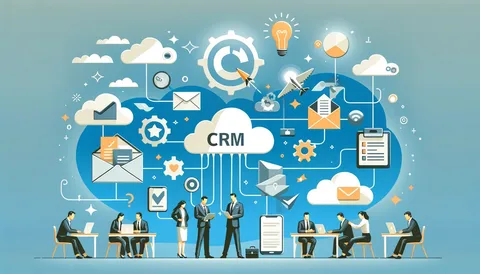
When businesses question the need to swap their old software for a CRM platform strategy, we totally understand.
Legacy systems may feel safe: familiar interfaces, quirky shortcuts, and that one report everyone avoids because it breaks everything.
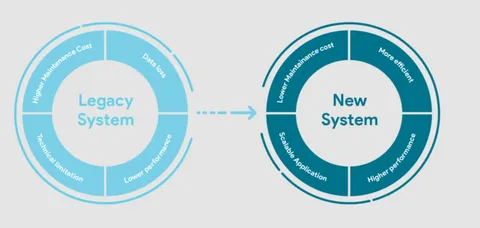
However, as a CRM development company with years of experience, we’ve witnessed firsthand how these “comfort zones” can quietly drain resources, hinder growth, and frustrate employees.
So, let’s face the truth: clinging to legacy systems is akin to holding onto a flip phone in 2025. Sure, it can still make calls, but good luck trying to run a marketing campaign, sync customer data, or scale sales efforts. It simply won’t happen.
The Curse of Legacy Systems
Legacy systems aren’t just outdated; they are often brittle, siloed, and resistant to change. One client humorously likened updates to “letting ghosts out of the attic”—a simple tweak seemingly unleashing a torrent of new bugs and issues.
Common Headaches from Legacy Systems
- Costly Maintenance
Maintaining legacy systems can feel like throwing money into a bottomless pit. Continuous patching and troubleshooting drain budgets, often making it hard to invest in innovation or growth. - Inflexibility
Need to add a new field? That often feels like a surgery involving unnecessary complications. The rigidity of these systems can transform simple tasks into monumental challenges. - Poor Integrations
Legacy systems often struggle to integrate with modern tools, leaving teams to rely on endless Excel exports, which are not just inefficient but also prone to human error. - Scalability Issues
As user demand increases, underserved legacy systems can lag significantly, causing frustration and inefficiencies at peak times, which can directly impact sales.
In essence, legacy systems trap teams in a cycle of firefighting, preventing them from focusing on innovation and long-term strategy.
What a CRM Platform Strategy Really Means
Switching to a modern CRM system is much more than merely installing new software.
A platform strategy involves designing a system that is modular, extensible, and ready for future advancements. Envision it as building with LEGO blocks rather than supergluing together broken toys.
Key Traits of a Modern CRM Platform
- Core CRM Modules: Essential components like contacts, leads, and pipelines.
- Extensions & Plugins: Industry-specific functionalities that enhance the basic system.
- Open APIs: This flexibility allows you to integrate marketing, support, and enterprise resource planning (ERP) systems seamlessly.
- Configurability Over Hardcoding: Adapt to changing needs without the extensive recoding that legacy systems often require.
The result? A solid foundation that grows with your business without the disruption of tearing down walls yearly.
Why CRM Platforms Outperform Legacy Systems
Here’s why we champion modern CRM platforms over outdated, patched-together systems:
Flexibility & Speed
Need to implement a chatbot, integrate analytics, or create a new sales flow? With modern platforms, these features are as easy as plug-and-play. In contrast, legacy systems require duct tape solutions and a lot of hope.
Integration Power
Modern CRM platforms are designed with integration in mind, allowing you to connect them with other tools easily. Legacy systems often act like a jealous friend unwilling to engage with newcomers.
Scalability
CRM platforms grow organically with your business. They can handle increases in user numbers without crumbling under pressure. Legacy systems, however, often falter with even a slight uptick in demand.
Maintainability
Contemporary platforms separate core functionalities from customizations, meaning that updates don’t have to break existing setups. In legacy systems, even the smallest patches can feel like a game of Russian roulette.
A Lesson from the “Big Bang”
Early in our journey, we regrettably tried to migrate an entire legacy CRM for a client in one fell swoop (spoiler: chaos ensued). Reports failed, users expressed dissatisfaction, and we relied heavily on coffee to keep our spirits high.
Ultimately, we had to roll back, rethink our strategy, and opted for a phased migration approach. This second attempt? It went smoothly.
Lesson Learned
Modern platforms allow for incremental adoption, making change less daunting. Legacy systems do not offer this flexibility.
Common Objections and Our Responses
- “It’s too expensive.”
Yes, the initial investment may seem high. However, legacy systems often mask hidden costs, such as outages, workarounds, and staff frustration. Considering that platforms can pay for themselves within a couple of years makes them a smart choice. - “Migration is risky.”
This is true, but this is why we advocate for phased rollouts. Parallel runs, robust rollback plans, and extensive testing mitigate risks during the transition. - “Our team won’t adapt.”
Resistance may occur initially, but with adequate training, sandboxes for experimentation, and feedback mechanisms, users typically embrace modern interfaces. Many users prefer contemporary UIs once they’ve settled in.
How a CRM Development Company Approaches Migration
Our approach to CRM development is systematic and strategic:
- Discovery: We map out workflows, identify pain points, and define business goals.
- Platform Core Design: This step involves defining the base CRM and necessary extensions.
- API Blueprint: Drafting flows for integrating various tools ensures a robust ecosystem.
- Phased Migration: We move modules step-by-step instead of overwhelming users with a full transition at once.
- Training & Adoption: Support teams right from the start to ensure comfort with the new system.
- Continuous Evolution: Post-implementation, we focus on optimizing performance and adding new tools as necessary.
This isn’t a one-time project; it’s a living roadmap designed for long-term success.
When to Stick with Legacy Systems
We recognize that not every situation necessitates a CRM platform strategy. If your business is small, stable, and seldom changes, a legacy system may suffice for the time being.
However, if you’re planning to scale, integrate new tools, or chase growth, then opting for a modern platform is the way forward.
Conclusion: Why Move Beyond Legacy?
Remaining tethered to legacy systems is akin to living in a home where every repair requires multiple contractors.
While you can survive in such an environment, it’s hardly optimal. A CRM platform provides the agility, integration, and room to breathe that modern businesses demand.
At Kanhasoft, we believe systems should enable growth rather than impede it. So, when legacy whispers, “stay,” remember that CRM platforms are the engines of future success.
The sooner you transition, the fewer “ghosts” of inefficiency you’ll encounter down the road.
FAQs
Why can’t we just keep upgrading our legacy system?
Each patch often brings increased complexity. Modern platforms offer a cleaner, scalable architecture that is easier to maintain.
How long does migration take?
Typically, migration can take between 3 to 6 months for mid-sized systems; larger implementations may extend up to a year and are usually phased.
Will users resist the new CRM?
Initial resistance may occur, but training and improvements in user experience lead to quicker adoption.
What about data safety during migration?
With strategies such as backups, encryption, and phased rollouts, risks can be minimized effectively.
Is building a custom CRM platform always more costly?
While it may be costlier up front, the long-term savings in maintenance and adaptability often justify the investment.
Can small businesses benefit as well?
Absolutely! Even small teams can significantly benefit from streamlined workflows and enhanced integration options, making their operations more efficient.