



Launching a food delivery app in the USA is an exciting venture in today’s tech-driven world, where convenience has become a top priority for consumers. The ongoing demand for delivery services presents entrepreneurs with a promising opportunity to tap into a thriving market.
Understanding the Food Delivery Market in the USA
Current Trends in Food Delivery
Food delivery has evolved into a cultural phenomenon, particularly exacerbated by the pandemic. More consumers rely on apps for their meals, embracing trends such as:
- Ghost Kitchens: These establishments focus exclusively on delivery, reducing overhead costs.
- Meal Kits: These offer convenience with in-home cooking options.
- Healthy Choices: Demand for nutritious meals is on the rise.
- Sustainability: Consumers now prioritize eco-friendly packaging and locally sourced ingredients.
Staying aligned with these trends can help your app make a significant impact in the market.
Market Size and Growth Projections
The food delivery market in the USA is projected to surpass $200 billion by the mid-2020s, with a Compound Annual Growth Rate (CAGR) of approximately 11%. This growth offers plenty of opportunities for aspiring app developers looking to capitalize on a booming industry.
Competitive Landscape Analysis
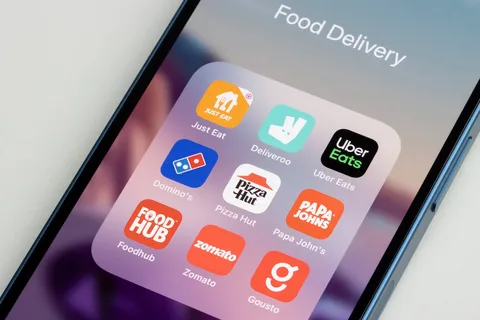
While giants like Uber Eats, DoorDash, and Grubhub dominate the space, there’s still room for niche players. By focusing on specific cuisines, dietary preferences, or regional specialties, you can carve out your own segment in the market. Your unique selling proposition will set you apart in this crowded landscape.
Identifying Your Target Audience
Demographics of Food Delivery Users
The primary users of food delivery services include:
- Young Adults (18-34): Typically motivated by convenience and variety.
- Busy Families: Parents seeking relief from cooking duties.
Understanding who your audience is will shape your app’s design and functionality.
Understanding User Preferences and Behavior
User preferences lean toward:
- Ease of Use: Quick navigation and simple ordering processes.
- Customization: Options to tailor meals to individual tastes.
- Promotions: Discounts and deals to entice users.
Engaging with your audience through surveys and social listening will provide insights into their desires.
Creating User Personas
User personas help you create a tailored experience. For instance:
- “Busy Brenda”: A working mom seeking quick meal options.
- “Health-Conscious Henry”: A consumer focused on organic choices.
These profiles will guide your marketing and feature decisions.
Key Features of a Successful Food Delivery App
User-Friendly Interface Design
Your app should feature a simple, intuitive design akin to a cozy café, with easy navigation and attractive visuals to streamline the ordering process.
Real-Time Order Tracking
Multiple Payment Options
Offer various payment methods—credit cards, digital wallets, and bank transfers—to ensure users can choose their preferred payment process, all while maintaining security.
Customer Feedback and Rating Systems
Implement a feedback system to encourage reviews and ratings, helping you to improve services while building trust with new users.
Choosing the Right Technology Stack
Mobile vs. Web Applications
Decide between mobile apps (ideal for quick, on-the-go orders) and web apps (versatile for at-home use). A hybrid approach is also effective.
Backend Development Considerations
A robust backend manages orders and logistics. Ensure it can scale easily to handle peak times and user demand effectively.
API Integrations for Third-Party Services
Integrate APIs for payment processing, mapping services, and restaurant POS systems to enhance app functionality.
Developing a Business Model and Pricing Strategy
Types of Business Models in Food Delivery
Consider models such as:
- Aggregator Model: Connecting users with restaurants.
- Logistics Model: Managing deliveries for restaurants without their own service.
- Subscription Model: Offering users unlimited deliveries for a monthly fee.
Each model has distinct advantages, so choose one that best aligns with your vision.
Cost Structure and Revenue Streams
Understand your cost structure, which includes app development, marketing, and delivery driver wages. Diverse revenue streams—like delivery fees and commissions—can sustain your app’s profitability.
Competitive Pricing Strategies
Develop competitive pricing strategies that appeal to your market. Consider tiered pricing based on distance and time, and offer promotions during slower periods.
Marketing Strategies to Attract Users
Creating a Brand Identity
A memorable brand identity is critical. Develop a catchy name and logo that resonates with your audience, incorporating a consistent voice across platforms.
Leveraging Social Media and Influencer Marketing
Use social media to showcase local dishes, unique offers, and behind-the-scenes content. Collaborate with local influencers to extend your reach.
Utilizing SEO and Content Marketing
Optimize your website for search engines and produce quality content, such as food blogs and tips, to drive traffic and establish authority.
Ensuring a Seamless User Experience
User Onboarding Best Practices
Simplify the onboarding process with friendly guides and tutorials, ensuring new users can easily navigate the app.
Optimizing App Performance and Speed
Keep your app efficient with quick load times and regular updates to avoid glitches.
Handling Customer Support and Queries
Provide responsive customer service, including a chat feature and prompt support for resolving issues.
Legal Regulations and Compliance in the Food Delivery Industry
Understanding Health and Safety Regulations
Familiarize yourself with local health codes regarding food handling and storage to protect your users and ensure compliance.
Data Privacy and Protection Laws
Implement robust security measures to protect user data, ensuring compliance with regulations like GDPR and CCPA.
Contractual Agreements with Restaurants and Drivers
Establish solid contracts with restaurant partners and delivery drivers to clarify responsibilities and payment structures.
Conclusion
Launching a successful food delivery app in the USA requires meticulous planning, a keen understanding of the market, and a commitment to providing an exceptional user experience. By focusing on your target audience, incorporating key features, and executing effective marketing strategies, you can position your app for success in a competitive landscape. As consumer demands evolve, adaptability will be key to your long-term growth.
Frequently Asked Questions (FAQ)
What are the essential features of a food delivery app?
Essential features include a user-friendly interface, real-time order tracking, multiple payment options, an integrated customer feedback system, and a robust restaurant partner dashboard.
How do I determine the target audience for my food delivery app?
Conduct market research to analyze demographics and preferences. Creating detailed user personas can also help in understanding audience needs.
What are the common business models for food delivery apps?
Common models are commission-based, subscription-based, and delivery fee-based. Each has its advantages and can be tailored to your strategy.
What regulations should I be aware of when launching a food delivery app?
Be aware of health and safety regulations, data privacy laws, and any contractual agreements required with restaurants and drivers to ensure compliance.