



A bright, confident smile has become one of the most sought-after aesthetic features, and modern dentistry offers several ways to achieve it. Two of the most popular methods are laser whitening and traditional bleaching, both designed to lift stains, lighten enamel and rejuvenate the smile. While bleaching has been trusted for decades, laser whitening has introduced a far more advanced, technology-driven approach. Understanding how these two methods differ, how they work and which produces the most effective results can help patients choose the whitening option that best suits their goals.
Understanding Laser Whitening
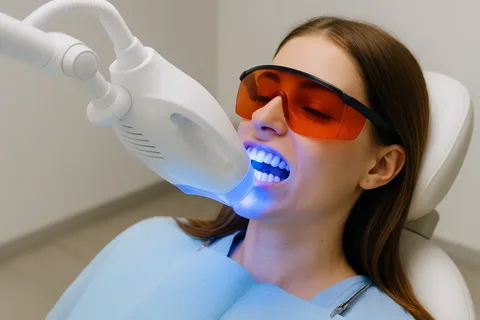
Laser whitening is an advanced in-clinic procedure that uses concentrated light energy to speed up the whitening process. After applying a protective barrier to the gums, a specialized whitening gel is placed on the teeth. A dental laser then activates the gel, allowing its bleaching agents to penetrate deeper into the enamel and produce faster, more noticeable results, often in just one appointment.
Key Points:
- Ideal for stubborn internal or deep stains
- Provides controlled, safe and predictable whitening
- Minimizes tooth sensitivity
-
Delivers accuracy and effectiveness akin to teeth whitening Brighton and Laser Hair Removal in Brighton
This technology is especially effective for patients affected by ageing, medication or long-term dietary habits. Laser whitening creates a comfortable treatment experience while achieving dramatic results in a short time. It delivers the level of care expected from modern cosmetic procedures, making it a popular choice for individuals seeking quick and reliable aesthetic enhancement.
Understanding Traditional Bleaching Methods
Traditional bleaching relies solely on the chemical properties of peroxide-based whitening gels. These gels break down discoloration and lift stains from the enamel without the need for light or heat activation. Bleaching can be performed professionally in the dental clinic or at home using dentist-prescribed trays.
Types of bleaching include:
- In-clinic chemical bleaching: Higher-strength peroxide applied chairside
- Take-home whitening trays: Custom-fitted trays with lower-strength peroxide
- Over-the-counter kits: One-size trays or strips with mild whitening agents
Bleaching is effective for a wide range of superficial and moderate stains, although results typically appear more gradually compared with laser whitening. Many people choose bleaching when they prefer a slower, controlled transformation or have mild discoloration that does not require intensive treatment.
Key Differences Between Laser Whitening and Traditional Bleaching
While both methods aim to brighten teeth, they differ in speed, intensity and the nature of their results. The table below highlights these contrasts clearly:
| Feature | Laser Whitening | Traditional Bleaching |
| Speed of Results | Immediate, often 2–8 shades in one visit | Gradual improvements over days or weeks |
| Activation Method | Laser-activated gel for deeper penetration | Chemical reaction only |
| Sensitivity Levels | Mild, short-term | Can be prolonged, especially with home kits |
| Longevity | Long-lasting with proper maintenance | Long-lasting but may require more frequent top-ups |
| Convenience | One clinic visit | Multiple sessions or consistent home use |
| Suitable For | Deep staining, fast results | Mild–moderate staining, steady improvements |
This comparison is particularly relevant for individuals exploring multiple aesthetic treatments. For example, patients who enjoy cosmetic services such as Laser Hair Removal in Brighton often appreciate the immediate and predictable outcome of laser whitening, while those already familiar with Teeth Whitening Brighton may find bleaching a suitable continuation of their routine care.
Which Method Delivers Better Results?
Shade Improvement
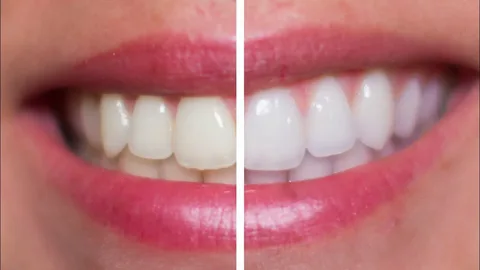
Laser whitening generally produces the most dramatic results in the shortest time. Many patients achieve their desired brightness after a single treatment. Bleaching can eventually achieve similar shades, but usually through repeated applications.
Consistency
Because laser whitening is always performed by a dental professional, it typically delivers uniform brightness across all teeth. Bleaching, especially home-based, may result in uneven whitening if trays are not fitted correctly or if patients apply gel inconsistently.
Deep vs Surface Stains
Laser whitening excels at deep stains found within the dentine layer, whereas bleaching is usually more effective for external stains caused by coffee, tea, red wine or smoking.
Safety Considerations
Both laser whitening and traditional bleaching are safe when performed under professional supervision. However, sensitivity differs between the two:
- Laser whitening may cause light thermal sensitivity immediately after treatment, but this typically subsides quickly due to the protective measures used.
- Bleaching, particularly home-based, may lead to temporary enamel dehydration and ongoing sensitivity if overused.
Professional monitoring ensures that peroxide levels are appropriate, gum tissues are protected and the enamel remains healthy.
Cost Considerations
Laser whitening is usually more expensive because of the technology, expertise and immediate results. Bleaching, especially take-home trays, tends to be more affordable and accessible.
However, cost should also be considered in relation to:
- number of appointments required
- longevity of results
- level of expertise
- treatment goals
Pros and Cons Overview
Laser Whitening
Pros:
- Instant, dramatic shade lift
- Highly controlled clinical environment
- Long-lasting results
- Ideal for deep stains
Cons:
- Higher cost
- Not suitable for extremely sensitive teeth
Traditional Bleaching
Pros:
- More affordable
- Easy to maintain with top-up gels
- Suitable for mild staining
Cons:
- Slower results
- Potential for more sensitivity
- Effectiveness varies with compliance
How to Choose the Right Whitening Method
Selecting the best whitening option depends on:
- The type and severity of staining
- Budget considerations
- Desired speed of results
- Sensitivity levels
- Professional recommendations
Conclusion
Laser whitening and traditional bleaching both offer effective ways to lighten and refresh the smile, but each method brings unique benefits. Laser whitening provides rapid, dramatic results through advanced technology, while traditional bleaching offers a gradual approach with flexible options for different lifestyles. By understanding the strengths of each method and consulting with an experienced clinician, patients can confidently choose the whitening pathway that aligns with their goals. With the right technique and ongoing care, a brighter, more confident smile is always within reach. Thank you for choosing Brighton.