




Choosing the Right Large Dog Pet Cage for Your Furry Companion’s Comfort and Safety
Providing the right living space for your furry companion is one of the most important responsibilities of any pet owner.
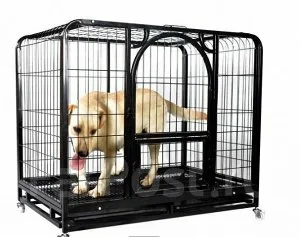
Choosing a large dog pet cage offers more than just a confined area; it creates a safe, personal environment where your dog can relax, sleep, and feel secure.
Especially for energetic or growing breeds, selecting a cage that offers enough space to stand, turn around, and stretch comfortably is essential. Many pet owners in the United Kingdom now prefer roomier cages not only for training purposes but also for long-term indoor or outdoor use.
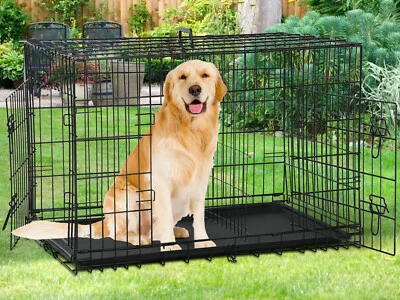
A durable and well-ventilated structure helps maintain airflow, reduces anxiety, and prevents destructive behavior when your dog is left unsupervised.
Key Factors to Consider When Purchasing a Large Dog Pet Cage
When purchasing a cage, it’s important to consider several factors that contribute to your dog’s comfort and well-being. One of the most significant aspects is the material quality.
Metal cages with anti-rust coatings or reinforced plastic frames tend to last longer and are easier to clean. A strong frame ensures the cage remains stable and secure, while the anti-rust coating protects it from wear and tear.
A removable tray at the base of the cage is another must-have feature. This makes cleaning much easier as you can quickly remove waste or debris and sanitize the space. Hygiene is crucial, not just for your dog but for the entire family, so maintaining cleanliness is a top priority.
If you travel frequently or need a cage that can be stored away easily, foldable or portable designs are incredibly convenient.
These cages are lightweight, easy to carry, and can be collapsed for storage when not in use. Whether you’re going on a road trip or staying at a friend’s house, a portable cage ensures your dog’s comfort and safety no matter where you go.
Adding Comfort: How to Make the Cage Inviting
A cage should be more than just a place to keep your dog; it should be a sanctuary. Adding a soft mat or cushion inside makes the cage more inviting, turning it into a cozy den rather than just an enclosure.
Dogs naturally seek sheltered spaces where they can retreat when they feel overwhelmed or stressed, so providing this option helps reduce anxiety.
Proper Cage Training: Ensuring a Positive Experience
Training your dog to use the cage properly is essential for a positive experience. It’s important to never use the cage as punishment.
Instead, introduce it gradually with treats and toys so your dog associates it with positive experiences. Start with short intervals and increase the time gradually. This will make the transition smoother and more comfortable for your dog.
For larger breeds, like Labradors, German Shepherds, or Huskies, it’s vital to ensure that there’s enough headroom and space for comfort. A cage that’s too small can make your dog feel cramped and uncomfortable, leading to frustration. Additionally, check that the cage doors open smoothly and have secure locking mechanisms to ensure safety.
Positioning the Cage: Where to Place It for Maximum Comfort
Where you place the cage is just as important as the cage itself. Position the cage in a quiet but visible area of your home, where your dog can still feel part of the family activities without feeling isolated.
Some pet owners prefer to place the cage near their bed at night to help strengthen the bond between them and their dog, offering reassurance through proximity.
Outdoor Cages: Weather-Resistant and Durable
If you plan on using the cage outdoors, make sure it’s designed to be weather-resistant. Outdoor cages should offer protection from wind, rain, and sun exposure. Materials like powder-coated metal or reinforced plastic are ideal for outdoor use, as they are durable and resistant to weather damage.
A cage that provides sufficient ventilation is also crucial. Dogs can overheat quickly, especially when left outside in the sun. Ensure that the cage has good airflow to keep your dog cool and comfortable during the warmer months.
Using the Cage for Transportation: What to Consider
If you plan on using the cage for transportation, such as during car trips, it’s important that the cage fits securely inside your vehicle.
The cage should allow your dog to stand and turn around comfortably while also ensuring that they are safe during transit. Make sure the cage complies with travel safety guidelines to protect your dog during the journey.
For long-distance travel, consider choosing a cage designed for transportation that is durable, lightweight, and easy to secure in your car. Look for cages with secure locking mechanisms that prevent movement during transit, ensuring safety for both your dog and other passengers.
Benefits of Investing in the Right Large Dog Pet Cage
Investing in the right large dog pet cage goes beyond providing your pet with a space to stay; it has numerous long-term benefits.
A well-chosen cage not only benefits your pet’s physical comfort but also contributes to better behavior, improved sleep patterns, and overall emotional well-being. It becomes a trusted sanctuary that supports training, travel, and relaxation for years to come.
By choosing a cage that fits your dog’s needs, you’re ensuring they have a safe, comfortable space that enhances their health and happiness.
Conclusion: Prioritizing Your Dog’s Comfort and Safety
Every responsible pet owner should prioritize their dog’s comfort and safety, and choosing the right large dog pet cage is one of the most valuable steps in that journey.
Whether it’s for training, travel, or just a comfortable space for your dog to relax, the right cage can make all the difference in ensuring your dog leads a happy, healthy life.
By selecting a spacious, durable, and comfortable cage, you’re not only improving your dog’s environment but also enhancing your relationship with them.
A comfortable dog is a happy dog, and a happy dog makes for a happier home. So, take the time to find the perfect cage that meets your dog’s needs, and watch them thrive in their new personal space.