



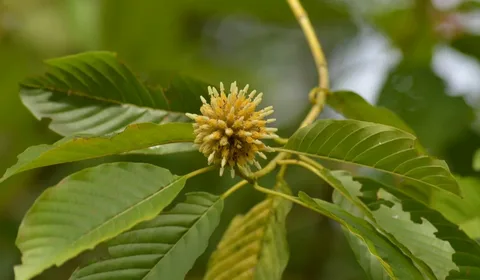
Kratom seeds are the reproductive seeds of Mitragyna speciosa, a tropical tree native to Southeast Asia. If you’ve seen kratom products sold as powders, capsules, or extracts, seeds can feel like a separate world entirely—less about immediate use and more about plant genetics, cultivation potential, and long-term interest in the species. Still, “kratom seeds” are widely discussed online, and it’s important to understand what they are, what they aren’t, and what realistic expectations look like if you’re considering buying them.
Mitra Science frequently receives questions about kratom seeds, as many people assume they’re a simple, beginner-friendly way to get started. However, the situation is more nuanced. Kratom seeds are often delicate, have a short viability window, and can produce inconsistent results due to variations in genetics and growing conditions.
Kratom Seeds vs Other Kratom Products
Most people are familiar with kratom as a dried leaf product. Seeds are different in a few key ways:
- Kratom seeds are used for propagation, not direct consumption
- Seed quality can vary dramatically depending on freshness and handling
- Germination can be challenging without the right conditions
- Seeds don’t provide the predictable experience people associate with standard kratom formats
If your goal is to explore kratom as a botanical product, seeds are not the most direct route. If your goal is learning about the plant, biodiversity, or cultivation, kratom seeds may be relevant—where legal and appropriate.
What Kratom Seeds Look Like and How They’re Produced
Kratom trees produce small flowers that can generate tiny seeds. These seeds are generally:
- Very small and lightweight
- Often mixed with plant material depending on collection methods
- Sensitive to moisture, heat, and time
- Best treated as perishable propagation material
Because the seeds are small and can be collected in different ways, sellers may offer them as loose seed, mixed seed material, or “seed pods” depending on how they’re harvested and packaged.
Freshness and Viability: The Biggest Factor
The most common misconception about kratom seeds is assuming they remain viable for long periods like many garden seeds. In practice, kratom seeds can lose viability quickly, especially if they’re:
- Stored in warm environments
- Exposed to humidity swings
- Shipped slowly or without protection
- Collected from older material
This is why people report wildly different results when trying to germinate kratom seeds. Two buyers can purchase “the same” product and have completely different outcomes based on freshness, storage, and shipping conditions.
Why People Buy Kratom Seeds
There are a few typical reasons:
- Home growing interest (where legal)
- Botanical collecting and plant hobby communities
- Curiosity about plant genetics and variation
- Long-term cultivation goals rather than immediate use
Mitra Science tends to remind customers that seeds are best suited to patient, hobbyist-minded buyers who understand there’s no guarantee of success.
Genetics and Variation: Seeds Are Not Clones
A key point: plants grown from kratom seeds can vary. Seeds are the result of sexual reproduction, so you’re not getting a clone of a known plant.
That matters because:
- Leaf traits can differ from plant to plant
- Growth patterns may vary
- Potency and alkaloid profiles (in mature plants) can differ
- “Strain” naming used in retail leaf products doesn’t translate cleanly to seeds
If a seller is promising highly specific outcomes from kratom seeds, treat that as marketing rather than reality.
Safety and Responsible Expectations
Kratom is a complex botanical. Any discussion around it should be grounded and careful.
Important safety notes:
- Kratom products can have risks, including dependence and side effects
- Interactions with medications and substances are possible
- People who are pregnant, breastfeeding, or managing medical conditions should consult a clinician before using kratom products
- Avoid mixing kratom products with alcohol or sedatives
Seeds themselves are not the same as prepared products, but if your end goal is to produce leaf, you should approach the topic with the same caution you’d apply to any psychoactive botanical.
Legal Considerations Vary
Kratom legality varies widely by country, state, and local jurisdiction. The legality of kratom seeds can also differ depending on local definitions, plant import rules, and regional restrictions.
Before buying or shipping kratom seeds:
- Check local and state laws
- Review agricultural import rules if ordering across borders
- Confirm whether live plant material restrictions apply in your area
Mitra Science encourages buyers to verify legality before purchasing any kratom-related item, including kratom seeds.
How Mitra Science Fits Into the Conversation
Mitra Science focuses on transparent, customer-informed decision-making. With kratom seeds, the most valuable guidance is honest guidance: understand what seeds are for, why freshness matters, and why outcomes can’t be guaranteed. If you’re exploring kratom seeds as part of a botanical hobby, choose reputable sourcing, keep expectations realistic, and stay compliant with your local regulations. If you’re exploring kratom products for other reasons, Mitra Science can help you understand options like kratom extract and how they differ from seeds—so you choose the format that matches your goals and comfort level.