




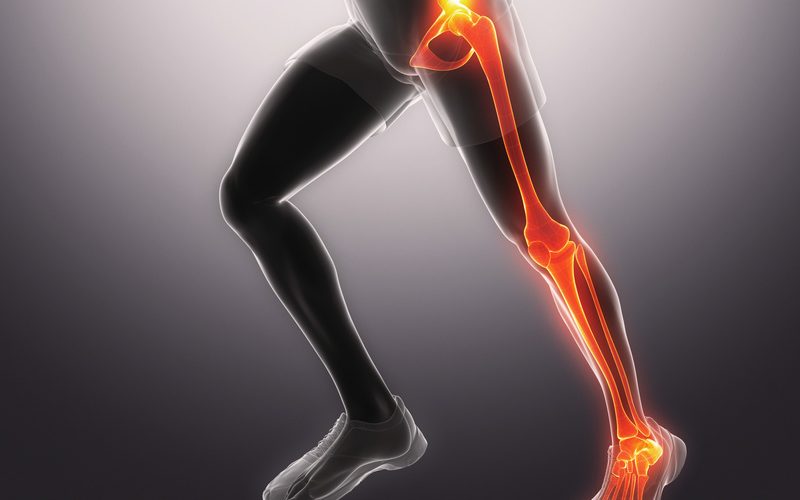
Living with knee arthritis can slowly erode mobility, confidence, and independence. What often begins as mild stiffness can progress into constant pain, swelling, and restricted movement that interferes with even basic daily activities. For many patients, when non-surgical treatments stop providing relief, arthritis knee replacement becomes a highly effective and lasting solution.

This blog explains how knee arthritis develops, why replacement surgery may be required, what patients can expect from treatment, and how modern orthopedic care in the UK supports long-term recovery and improved quality of life.
Understanding Knee Arthritis and Its Impact
Knee arthritis occurs when the protective cartilage within the joint breaks down. This cartilage normally allows smooth movement between bones. Once it wears away, bones begin to rub against each other, leading to pain, inflammation, stiffness, and deformity.
The most common forms affecting the knee include:
-
Degenerative arthritis related to ageing
-
Autoimmune-related joint inflammation
-
Arthritis following previous injuries or fractures
As arthritis progresses, pain becomes more persistent and less responsive to medication or physiotherapy.
Early Symptoms That Should Not Be Ignored
Many patients delay seeking medical attention, assuming knee pain is a normal part of ageing. However, early warning signs include:
-
Pain during walking or standing
-
Stiffness after rest or in the morning
-
Swelling around the knee joint
-
Grinding or clicking sensations
-
Difficulty climbing stairs or getting up from a chair
When these symptoms worsen despite conservative care, surgical evaluation may be recommended.
Non-Surgical Management and Its Limitations
Before surgery is considered, most patients undergo non-operative treatments such as:
-
Pain-relieving and anti-inflammatory medication
-
Physiotherapy to strengthen surrounding muscles
-
Weight management strategies
-
Activity modification
-
Supportive braces or walking aids
-
Joint injections for temporary relief
While these approaches can be effective in early stages, they do not reverse joint damage. Once arthritis becomes advanced, their benefits are often short-lived.
Why Knee Replacement Surgery Becomes Necessary
The knee joint bears a substantial amount of body weight and undergoes constant stress throughout life. Over time, the protective cartilage that cushions the joint can wear away, leading to pain, stiffness, swelling, and reduced mobility.
Common reasons patients require knee surgery include:
-
Advanced osteoarthritis
-
Rheumatoid arthritis
-
Severe joint deformity
-
Old sports injuries or fractures
-
Progressive loss of knee function
When pain interferes with walking, sleeping, or everyday activities, surgery may be the most reliable option for long-term relief.
What Are Knee Replacement Procedures?
Knee replacement procedures involve removing damaged portions of the knee joint and replacing them with artificial components designed to mimic natural joint movement. These procedures aim to:
-
Reduce or eliminate pain
-
Restore joint alignment
-
Improve stability and mobility
-
Enhance overall quality of life
Depending on the extent of joint damage, different surgical approaches may be recommended.
Types of Knee Replacement Procedures
Modern orthopedic care offers several surgical options, tailored to individual patient needs.
1. Total Knee Replacement
This is the most commonly performed procedure. It involves replacing all damaged surfaces of the knee joint, including the femur, tibia, and sometimes the kneecap. It is ideal for patients with widespread arthritis affecting the entire joint.
2. Partial Knee Replacement
In cases where damage is limited to one compartment of the knee, a partial replacement may be sufficient. This approach preserves more natural bone and tissue and often results in quicker recovery.
3. Revision Knee Replacement
If a previous knee replacement wears out or fails over time, revision surgery may be required. This is a more complex procedure that replaces old implants with new ones.
4. Robotic-Assisted Knee Surgery
Advanced technology now allows robotic systems to assist surgeons with precision planning and implant placement, improving accuracy and alignment.
How Surgeons Decide the Right Procedure
Choosing the correct procedure depends on several factors:
-
Severity and location of joint damage
-
Age and activity level
-
Body weight and bone quality
-
Overall health and medical history
-
Lifestyle expectations after surgery
Detailed imaging studies, physical examinations, and specialist consultations guide this decision-making process.
Preoperative Planning and Preparation
Before surgery, patients undergo thorough evaluation to ensure safety and readiness. This includes:
-
X-rays or MRI scans
-
Blood tests and cardiac assessments
-
Medication review
-
Pre-surgical physiotherapy guidance
Patients may be advised to strengthen surrounding muscles and make temporary lifestyle adjustments before the operation.
What Happens During Surgery?
Most knee replacement surgeries follow a structured approach:
-
Anesthesia is administered for comfort
-
The surgeon makes a controlled incision over the knee
-
Damaged cartilage and bone are removed
-
Artificial components are precisely positioned
-
Joint movement and stability are tested
-
The incision is closed carefully
Surgical techniques today focus on minimizing tissue damage and promoting faster healing.
Recovery and Rehabilitation Process
Recovery begins almost immediately after surgery. Early movement is encouraged to prevent stiffness and improve circulation.
Hospital Phase
-
Pain management with medications
-
Assisted walking within 24 hours
-
Initial physiotherapy exercises
Home Rehabilitation
-
Continued physiotherapy sessions
-
Gradual increase in walking distance
-
Strengthening and flexibility exercises
Most patients resume normal daily activities within weeks, with full recovery taking several months.
Expected Outcomes After Knee Replacement
Patients often report:
-
Significant reduction in pain
-
Improved joint stability
-
Increased walking distance
-
Better sleep and daily comfort
Modern implants are highly durable and can function effectively for many years with proper care.
Potential Risks and How They Are Managed
Although knee replacement procedures are generally safe, possible risks include:
-
Infection
-
Blood clots
-
Implant wear or loosening
-
Temporary stiffness
Experienced orthopedic teams follow strict protocols to minimize these risks and ensure patient safety.
When Knee Replacement Becomes Necessary
Knee replacement surgery is typically advised when arthritis causes severe pain, deformity, or functional limitation that significantly impacts daily life. At this stage, cartilage loss is extensive, and joint surfaces are irreversibly damaged.
The goal of surgery is not only pain relief but also restoration of movement, stability, and alignment of the knee.
What the Surgery Involves
During knee replacement surgery, the damaged portions of the joint are removed and replaced with carefully designed artificial components. These implants mimic the natural movement of the knee while reducing friction and inflammation.
The procedure focuses on:
-
Removing worn cartilage and damaged bone
-
Restoring proper joint alignment
-
Improving joint stability and range of motion
-
Reducing chronic inflammation
Modern surgical techniques priorities precision and tissue preservation for better outcomes.
Recovery and Rehabilitation After Surgery
Recovery does not end in the operating theatre. A structured rehabilitation plan is essential for long-term success.
Immediate Post-Surgery Phase
-
Pain control and swelling management
-
Assisted standing and walking
-
Early movement exercises to prevent stiffness
Ongoing Rehabilitation
-
Physiotherapy to rebuild strength
-
Flexibility and balance training
-
Gradual return to daily activities
Most patients see significant improvement within weeks, with continued progress over several months.
Long-Term Outcomes and Quality of Life
For individuals suffering from advanced knee arthritis, replacement surgery can be transformative. Benefits often include:
-
Significant reduction or complete relief from pain
-
Improved walking ability
-
Better sleep and mental wellbeing
-
Increased independence
-
Enhanced participation in low-impact activities
With proper care, modern knee implants are designed to last many years.
Potential Risks and How They Are Managed
knee although replacement is considered safe and effective, potential risks include infection, blood clots, or stiffness. These risks are minimized through careful surgical planning, sterile techniques, early mobilization, and post-operative monitoring.
Selecting an experienced orthopedic team plays a key role in reducing complications.
Importance of Specialist Orthopedic Care
Arthritis-related joint replacement requires accurate diagnosis, personalized treatment planning, and comprehensive aftercare. Specialist orthopedic centers provide a multidisciplinary approach involving surgeons, physiotherapists, and rehabilitation experts to support each stage of recovery.
Final Thoughts
knee Arthritis replacement offers a reliable and long-term solution for patients whose lives are limited by chronic knee pain. When conservative treatments no longer work, surgery can restore mobility, comfort, and independence, allowing patients to regain control over their daily lives.
Early consultation with an orthopedic specialist ensures timely intervention and the best possible outcome.