





The Keto-friendly Products Market has emerged as one of the most dynamic segments within the global health and wellness food industry. Driven by increasing consumer awareness of low-carbohydrate diets and metabolic health, keto-friendly foods are no longer limited to niche health stores—they are becoming mainstream retail staples.
As consumers prioritize weight management, energy balance, and clean-label nutrition, keto-friendly products are gaining widespread acceptance across diverse demographics.
- The market is witnessing steady expansion driven by rising health consciousness, expanding distribution through online and specialty retail channels, and strong marketing around functional nutrition benefits
- Manufacturers are focusing on clean-label formulations, sugar-free ingredients, and plant-based keto alternatives to cater to evolving consumer preferences and strengthen competitive positioning in the global market
- North America dominated the keto-friendly products market with the largest revenue share in 2025, driven by the rising popularity of low-carbohydrate diets and increasing consumer awareness regarding weight management and metabolic health
- Asia-Pacific region is expected to witness the highest growth rate in the global keto-friendly products market, driven by changing dietary preferences, rapid expansion of e-commerce channels, and increasing awareness of weight management and fitness trends
- The traditional segment held the largest market revenue share in 2025 driven by its wider availability, lower price points, and strong presence across mainstream retail channels. Traditional keto-friendly products are commonly preferred due to their affordability and broad product variety, making them accessible to a larger consumer base following low-carbohydrate diets
Market Overview and Definition
The keto-friendly products market includes food and beverage items specifically formulated to align with ketogenic dietary principles. These products are characterized by:
- Low carbohydrate content
- High fat composition
- Moderate protein levels
- Minimal added sugars
Common product categories include:
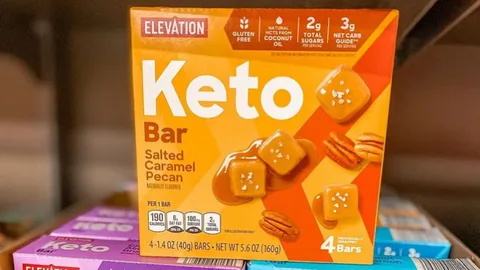
- Keto snacks and bars
- Low-carb bakery products
- Keto beverages
- Sugar-free confectionery
- Dairy alternatives
- Keto meal replacements
- Low-carb ready-to-eat meals
The market serves health-conscious consumers, fitness enthusiasts, diabetic populations, and individuals pursuing weight management strategies.
Market Drivers
Rising Health Awareness
Growing concerns about obesity, diabetes, and metabolic disorders have pushed consumers toward low-carb dietary options.
Weight Management Trends
Keto diets are widely associated with rapid weight loss and improved energy levels, fueling demand for compliant food products.
Innovation in Food Formulation
Advancements in alternative sweeteners, plant-based fats, and low-carb flour substitutes have enabled manufacturers to produce keto-friendly versions of traditional foods.
Expanding Retail Availability
Supermarkets, online platforms, and specialty health stores now dedicate shelf space to keto products, increasing accessibility.
Market Challenges
Despite strong growth, the market faces certain limitations:
- Higher price points compared to conventional products
- Taste and texture formulation challenges
- Consumer skepticism regarding long-term diet sustainability
- Regulatory scrutiny around labeling claims
Balancing nutritional integrity with flavor remains a key competitive factor.
Market Trends and Innovation Landscape
Clean-Label and Natural Ingredients
Consumers demand transparency, preferring products free from artificial preservatives and synthetic additives.
Plant-Based Keto Options
The intersection of keto and plant-based trends has created a new product segment focusing on vegan-friendly low-carb solutions.
Functional Keto Foods
Brands are incorporating added benefits such as probiotics, MCT oils, collagen, and adaptogens.
Ready-to-Eat Convenience
Time-constrained consumers prefer keto meal kits and prepared foods that align with dietary goals.
Premiumization
High-quality ingredients, artisanal production, and gourmet flavors are driving premium product launches.
Regional Insights
North America
Leads the market due to high awareness of low-carb diets and strong health-food retail networks.
Europe
Growing demand supported by increasing fitness culture and diabetic population awareness.
Asia-Pacific
Emerging growth driven by urbanization, rising disposable incomes, and adoption of Western dietary trends.
Latin America and Middle East & Africa
Gradual adoption supported by expanding retail infrastructure and health-conscious urban consumers.
Competitive Landscape
- Nutritional quality
- Flavor innovation
- Brand credibility
- Clean labeling
- Pricing strategies
Companies are investing in research and development to enhance taste profiles while maintaining strict macronutrient ratios.
Future Outlook
The future of the keto-friendly products market appears promising as consumers increasingly seek personalized nutrition solutions. Growth is expected to be driven by:
- Expansion into mainstream food categories
- Greater integration with functional nutrition
- Digital marketing and influencer-driven awareness
- Development of affordable keto alternatives
As dietary awareness continues to evolve, keto-friendly products are transitioning from a niche trend to a structured segment within the broader wellness food industry.
Source: https://www.databridgemarketresearch.com/reports/global-keto-friendly-products-market
Conclusion
The Keto-friendly Products Market reflects a larger shift toward health-conscious consumption and lifestyle-based eating patterns. While debates about long-term ketogenic adherence persist, consumer demand for low-carb, high-quality food alternatives continues to rise.
Manufacturers that prioritize innovation, transparency, and taste will be best positioned to capitalize on this expanding market opportunity. The rising consumer preference for low-carbohydrate, high-fat eating habits is greatly influencing the keto-friendly products market, as more people look for foods that promote weight control, metabolic wellness, and long-lasting energy.
Keto-friendly products are gaining traction due to their ability to align with strict macronutrient ratios while offering convenience and taste. This trend strengthens their adoption across snacks, beverages, dairy alternatives, and meal replacements, encouraging manufacturers to expand innovative product portfolios