


Switching fuels might seem like a quick way to cut costs—especially with the fluctuating energy prices across the United Kingdom in 2026. However, replacing diesel with kerosene is not just a simple swap. It comes with serious mechanical, legal, environmental, and safety risks that are often dangerously underestimated. While the price at the pump for white diesel remains high, the “savings” offered by heating oil are an illusion that can lead to catastrophic financial ruin.
With over two decades of experience in technical industry research, this guide breaks down the real risks of changing from diesel to kerosene. We aim to help UK readers make informed, responsible, and safe decisions regarding their vehicles and machinery.
Understanding the Science: Diesel vs. Kerosene
Before diving into the risks, it is essential to understand that these two liquids are chemically distinct. They are refined for entirely different purposes.
-
Diesel Fuel: This is a heavy, oily fuel specifically engineered for compression-ignition engines. It provides vital lubrication to moving parts and offers a controlled, predictable combustion rate.
-
Kerosene (28-sec Heating Oil/Paraffin): In the UK, kerosene is a much lighter, thinner distillate. It is designed to be atomized and burned in a boiler or lamp, not compressed and exploded in an internal combustion engine.
Because kerosene is less viscous (thinner), it does not behave like diesel under the high-pressure conditions found in a modern engine.
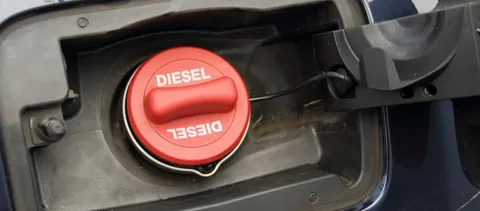
Mechanical Risks: How Kerosene Destroys Diesel Engines
The most immediate threat when switching to kerosene is severe mechanical failure. Modern diesel engines, particularly those meeting Euro 6 emissions standards common in the UK, are precision-engineered instruments.
The Lubrication Gap
Diesel fuel serves a dual purpose: it acts as a power source and a lubricant. The fuel injectors and the high-pressure fuel pump rely on the “oiliness” of diesel to prevent metal-on-metal contact. Kerosene lacks these lubricating properties. Using it is akin to running an engine with sandpaper in the fuel lines.
Common Mechanical Consequences:
-
Seized Fuel Pumps: Without lubrication, the fuel pump can overheat and seize, often sending metal shards throughout the entire fuel system.
-
Clogged Injectors: Kerosene burns “hotter” and differently, leading to carbon buildup that ruins the spray pattern of expensive fuel injectors.
-
Reduced Engine Lifespan: Even if the engine runs, the increased friction causes premature wear on the cylinders and valves.
The long-term impact is clear: a few pounds saved at the tank can result in a repair bill reaching £5,000 to £10,000 for a full fuel system replacement.
Legal Risks: HMRC and the Law in the UK
In the United Kingdom, fuel usage is one of the most tightly regulated sectors. Using kerosene as a road fuel is a serious criminal offense.
Fuel Tax Evasion
Kerosene is classified as a heating fuel and is taxed at a significantly lower rate than road diesel. If you put kerosene in a road-going vehicle, you are effectively committing tax evasion.
Enforcement and Penalties:
-
Roadside Checks: HMRC and the police frequently conduct “dipping” tests. They can detect the chemical markers in the fuel instantly.
-
Heavy Fines: Fines for fuel misuse can run into thousands of pounds. In extreme cases, authorities have the power to seize and crush the vehicle.
-
MOT Failure: A vehicle running on the wrong fuel will fail emissions tests, rendering it illegal to drive and voiding your road tax.
Performance and Safety Hazards
Safety should never be compromised for the sake of a budget hack. Switching to kerosene introduces variables that a vehicle’s safety systems are not designed to handle.
1. Poor Combustion and “Knocking” Kerosene has a different cetane rating than diesel. This leads to “pre-ignition” or engine knocking. Over time, this uncontrolled vibration can crack pistons and snap connecting rods, leading to a total engine blowout while driving at high speeds on the motorway.
2. Increased Volatility and Fire Risk Kerosene is more volatile than diesel. It has a lower flashpoint, meaning it ignites more easily at lower temperatures. In a system designed for the stable nature of diesel, kerosene increases the risk of fuel leaks igniting under the hood, leading to a vehicle fire.
3. Winter Starting Issues While kerosene doesn’t “gel” as easily as diesel in the cold, its lack of density makes it difficult for a diesel engine to generate the required compression heat to start during a typical British winter morning.
Environmental Impact and Sustainability
The UK is currently pushing for a “Net Zero” future and cleaner air in cities like London, Manchester, and Birmingham. Using kerosene in a diesel engine contradicts these goals.
-
Higher Harmful Emissions: Because kerosene does not burn completely in a compression engine, it produces higher levels of particulate matter and nitrogen oxides (NOx).
-
Damage to After-treatment Systems: Modern vans and cars use Diesel Particulate Filters (DPF) and AdBlue systems. Kerosene exhaust will quickly clog a DPF, a repair that costs upwards of £1,500.
Cost vs. Consequences: The Final Verdict
At first glance, kerosene may seem cheaper. However, when you factor in the “hidden” costs, the math simply does not work out:
-
Repair Costs: Thousands for pumps and injectors.
-
Legal Fines: Thousands in HMRC penalties.
-
Insurance: Most UK insurers will void your policy immediately if they discover the wrong fuel was used, leaving you personally liable for any accidents.
Expert Advice: Under no circumstances should you replace diesel with kerosene in a vehicle or engine not specifically designed for it.
FAQs: Risks of Changing from Diesel to Kerosene (UK)
1. Can I mix a small amount of kerosene with diesel? No. Even a 10% mix significantly reduces the lubricating quality of the fuel, which can cause “micro-scarring” on the fuel pump.
2. Is using kerosene detectable in my car? Yes. Modern diagnostic tools can detect irregular combustion, and chemical markers in the fuel stay in the tank and lines long after you’ve refilled with proper diesel.
3. What should I do if I accidentally put kerosene in my diesel tank? Do not start the engine. Call a fuel drainage service immediately. Starting the car will pull the kerosene into the high-pressure pump, where the damage begins instantly.
Final Thoughts
Switching from diesel to kerosene is a high-risk decision with life-altering consequences. From total engine failure to a criminal record for tax evasion, the downsides far outweigh any temporary financial benefit.
If you are looking to reduce fuel costs in the UK, consider legal and sustainable alternatives. Look into approved HVO (Hydrotreated Vegetable Oil) blends, transition to a hybrid or electric vehicle, or practice “eco-driving” techniques to increase your MPG. Do not risk your vehicle, your safety, or your finances on a fuel swap that is destined to fail.