




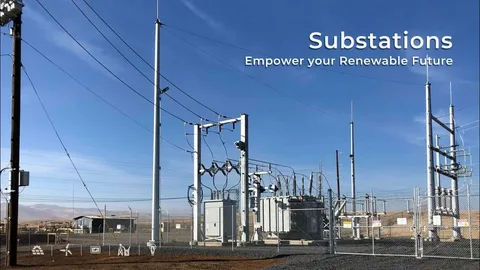
Modern power systems are evolving rapidly with the integration of renewable energy, digital technologies, and stricter regulatory requirements. In this changing landscape, integrating power substation design with robust grid compliance strategies is no longer optional—it is essential. Utilities, developers, and engineers must ensure that substations are not only technically sound but also fully aligned with regulatory frameworks to maintain reliability and avoid costly penalties.
This guide explores how to effectively combine engineering design with compliance planning to create substations that are efficient, safe, and future-ready.
Understanding the Role of Substation Design in Grid Stability
Substations act as critical nodes within the power system, responsible for voltage transformation, switching, and system protection. An effectively implemented substation design and engineering strategy guarantees smooth power distribution, reduces losses, and improves system dependability.
However, modern substations must do more than just perform electrical functions. They must support grid resilience, integrate distributed energy resources, and comply with national and international standards. This requires engineers to think beyond traditional design practices and incorporate compliance considerations from the very beginning.
When design and compliance are treated as separate processes, it often leads to inefficiencies, redesigns, and operational risks. Integration ensures that both aspects work together cohesively.
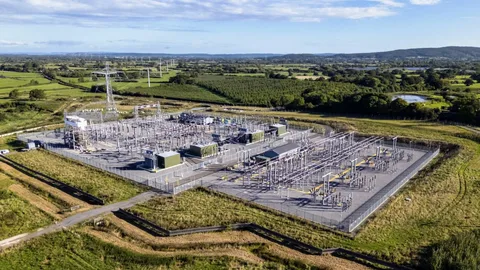
Why Grid Compliance Matters in Substation Projects
Grid compliance refers to adhering to standards, regulations, and operational guidelines set by regulatory authorities. These requirements are designed to ensure safety, reliability, and consistency across the power network.
Engaging experienced nerc compliance consultants or similar regulatory experts can help organizations interpret and implement these standards effectively. Compliance is not just about meeting legal requirements—it also reduces operational risks and improves system performance.
Non-compliance can result in financial penalties, project delays, or even system failures. Therefore, integrating compliance into the design phase ensures that substations meet all requirements without costly revisions later.
Key Elements of Integrated Design and Compliance
To successfully integrate design and compliance, several key elements must be considered throughout the project lifecycle.
Early Planning and Coordination
The integration process begins at the planning stage. Engineers, compliance experts, and stakeholders must collaborate to define project requirements, regulatory obligations, and performance expectations.
Early coordination helps identify potential challenges and ensures that compliance requirements are embedded into the design rather than added later.
Standard Selection and Application
Choosing the right standards is critical. Whether it involves protection schemes, grounding systems, or equipment ratings, standards must align with both technical and regulatory requirements.
Applying standards consistently across the design ensures uniformity and simplifies compliance verification.
Protection and Control Systems
Protection systems must be designed to detect and isolate faults quickly while meeting regulatory criteria. This includes relay coordination, fault analysis, and system redundancy.
Compliance requirements often dictate specific performance benchmarks for protection systems, making integration essential.
Documentation and Reporting
Proper documentation is a key aspect of compliance. Design reports, testing records, and operational procedures must be well-documented and easily accessible.
Integrated systems ensure that documentation is generated as part of the design process, reducing the burden during audits or inspections.
Leveraging Technology for Better Integration
Digital tools and advanced software play a significant role in aligning design and compliance strategies. Simulation tools allow engineers to model system behavior, analyze faults, and validate compliance before implementation.
Automation and digital monitoring systems also help maintain compliance during operation. Real-time data enables quick identification of issues and ensures that substations continue to meet regulatory standards over time.
Incorporating smart technologies into power substation design enhances visibility, improves decision-making, and supports long-term compliance.
Challenges in Integrating Design and Compliance
Despite its benefits, integration comes with challenges. One of the primary issues is the complexity of regulatory requirements, which can vary across regions and evolve over time.
Another challenge is the coordination between different teams. Engineering, compliance, and operations teams often work independently, leading to gaps in communication.
Additionally, legacy systems can make integration difficult. Older substations may not meet current standards, requiring upgrades or redesigns.
Overcoming these challenges requires a structured approach, strong communication, and the involvement of experienced professionals in both design and compliance.
Best Practices for Successful Integration
To achieve effective integration, organizations should adopt a proactive and collaborative approach.
First, involve compliance experts early in the project. Their input can guide design decisions and prevent costly changes later.
Second, adopt a holistic design methodology that considers technical, operational, and regulatory aspects simultaneously. This ensures that all requirements are addressed in a unified manner.
Third, invest in training and knowledge development. Engineers should be familiar with compliance standards, while compliance teams should understand technical design principles.
Finally, leverage modern tools and technologies to streamline processes, improve accuracy, and maintain compliance throughout the project lifecycle.
Future Trends in Substation Design and Compliance
The future of substations lies in digitalization, automation, and sustainability. Smart grids, renewable integration, and advanced analytics are reshaping how substations are designed and operated.
As these trends continue to evolve, compliance requirements will also become more complex. Integrated strategies will be essential to manage this complexity and ensure that substations remain reliable and efficient.
Organizations that embrace integration today will be better positioned to adapt to future challenges and opportunities.
Conclusion
Integrating substation design with grid compliance strategies is a critical step toward building reliable and efficient power systems. Aligning substation design and engineering practices with regulations enables organizations to minimize risks, enhance performance, and achieve sustained success.
A well-integrated approach not only simplifies compliance but also enhances overall system resilience. With the right planning, collaboration, and use of technology, utilities and developers can create substations that meet the demands of modern power networks while staying fully compliant.
If you’re looking to optimize your projects, combining expert engineering with strategic compliance planning is the way forward.