



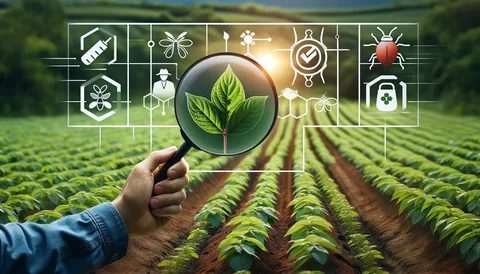
Pests pose a significant threat to agriculture worldwide, causing extensive damage to crops and leading to reduced yields. Whether it’s insects, rodents, or other invasive species, pests can wreak havoc on fields and devastate crops if not properly managed. For this reason, pesticide products have become essential tools in ensuring that crops are well-protected and remain healthy throughout the growing season. This article will explore why pesticide products are vital for crop protection, the various types of pesticides available, the effective use of these products, and the advantages they offer to farmers.
Why Pesticide Products Are Vital for Crop Protection
Farmers face constant challenges from pests that can attack crops at different growth stages, causing severe damage that can hinder development or even destroy an entire harvest. Pesticide products are designed to help farmers prevent such damage by eliminating or controlling the pests before they cause irreparable harm.
Pesticides are crucial for protecting crops from a range of threats, including insects that destroy plant tissues, fungi that lead to diseases, and weeds that compete for valuable resources like water and nutrients. Using these products, farmers can maintain the health of their fields, safeguard their investment, and ensure a consistent, high-quality crop yield.
In large-scale agriculture, where vast areas of crops are grown, pests can quickly spread and affect entire fields. If left unchecked, a pest outbreak can lead to widespread crop loss, threatening food security and economic stability. Pesticides, therefore, play a vital role in maintaining healthy, productive fields and preventing these potential catastrophes. By using pesticides, farmers can effectively manage pest populations, thus ensuring their crops remain protected and yield positive results.
Types of Pesticide Products
Pesticide products come in a variety of forms, each serving a specific function to address different pest-related challenges. Here’s a breakdown of the most commonly used pesticides in agriculture:
1. Insecticides
Insecticides are designed to target and eliminate insects that can damage crops. These pests include aphids, caterpillars,beetles, and other destructive species. Insecticides either kill pests on direct contact or disrupt their ability to feed or reproduce. There are two main types of insecticides:
- Contact Insecticides: These kill insects upon direct contact. When sprayed on plants, they quickly eradicate pests and prevent further damage.
- Systemic Insecticides: These are absorbed by plants and transported through the sap. As insects consume the plant, they take in the insecticide, which eliminates them.
2. Herbicides
Weeds are another major threat to crops, as they compete with plants for essential resources like nutrients, water, and sunlight. Herbicides are chemicals designed to control and eliminate weeds, allowing crops to grow without interference. Herbicides help farmers maintain a weed-free environment, which is essential for ensuring healthy crop growth.
3. Fungicides
Fungal diseases such as blight, mildew, and rust can devastate crops if not controlled. Fungicides prevent and manage these diseases by targeting the fungi responsible for plant infections. Fungicides help farmers protect crops from the spread of disease, ensuring that plants remain healthy and productive.
Each of these pesticide products serves a unique role in crop management. By targeting specific pests, diseases, or weeds, pesticides help farmers maintain the health of their crops and ensure a bountiful harvest.
Effective Use of Pesticide Products
To get the best results from pesticide products, farmers must use them correctly. Improper use of pesticides can lead to resistance, making the products less effective over time. It is essential to follow the manufacturer’s instructions for proper application, including the recommended dosage, timing, and method of application.
The right timing is crucial when using pesticides. For example, insecticides should be applied at specific points in the pest lifecycle to maximize effectiveness. Applying pesticides too early or too late may result in minimal impact. Furthermore, overuse or underuse of pesticides can also lead to resistance, making it more difficult to control pests in the future. Farmers should also follow safety guidelines to prevent contamination of surrounding areas, such as nearby water sources or other crops.
It’s important to remember that pesticides should be used as part of an integrated pest management (IPM) plan. IPM combines various methods of pest control, including biological control, cultural practices, and the judicious use of chemical pesticides. This approach minimizes environmental harm while maximizing crop protection.
How Insecticide Spray Works
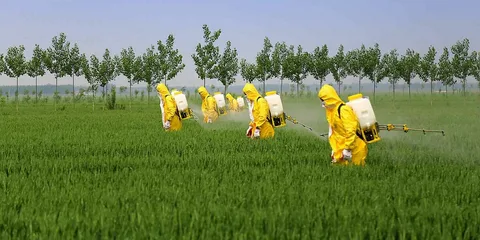
One of the most effective ways to apply pesticides is through insecticide sprays. The spray mechanism is simple but highly effective in protecting crops from pests. When applied to the plant, the insecticide either kills pests on contact or disrupts their feeding or reproductive systems.
There are different types of insecticides that vary in how they affect pests. For example:
- Contact Insecticides: These kill insects when they make direct contact with the sprayed solution. The active ingredients in the insecticide target the pest’s nervous system, causing death upon exposure.
- Systemic Insecticides: These are absorbed by the plant and spread throughout its tissues. When pests feed on the plant, they ingest the insecticide, which then eliminates them. This type of insecticide is often used for pests that burrow into plants or feed on the sap.
By applying insecticide spray effectively, farmers can quickly and efficiently eliminate harmful pests, preventing them from spreading to other crops and causing additional damage.
Choosing the Right Insecticide Spray
Choosing the right insecticide spray is essential for ensuring effective pest control. Different pests target different crops, so it is important to select an insecticide that is suited to both the pest and the crop being grown. For example, cotton crops may be susceptible to different pests than vegetable crops, so the insecticide should be tailored to the specific needs of each crop.
In addition, factors such as the environmental impact of the pesticide and its potential to harm beneficial insects should be considered. Some insecticides are selective, targeting only specific pests, while others are broad-spectrum and affect a wide range of insects. Farmers should select products that minimize harm to beneficial insects, such as pollinators, while still effectively controlling pests.
Advantages of Insecticide Spray for Farmers
Using insecticide sprays offers several key benefits for farmers:
- Fast Action: Insecticide sprays are highly effective and provide quick results, eliminating pests before they can cause significant damage to crops. By acting quickly, farmers can prevent pests from infesting large areas of their fields.
- Long-Lasting Protection: Many insecticide sprays offer extended protection, reducing the need for frequent applications. This saves both time and money, as farmers do not have to reapply pesticides as often.
- Improved Yield: Protecting crops from pests ensures that plants grow without interference, leading to higher yields. Healthy crops are more productive, resulting in better-quality harvests and increased profitability.
- Cost-Effectiveness: While the initial investment in pesticides may seem high, the benefits far outweigh the costs. By preventing crop loss and increasing yields, pesticide use can lead to higher profits and long-term sustainability for farmers.
Conclusion
Pesticide products are an essential tool in crop protection, allowing farmers to safeguard their crops from pests, diseases, and weeds. Whether it’s insecticides, herbicides, or fungicides, these products are vital for maintaining the health of crops, increasing yield, and protecting the farmer’s investment. By following the correct application guidelines and using pesticides as part of an integrated pest management plan, farmers can ensure the long-term success of their crops and the sustainability of their operations.
The right pesticide products, when used effectively, help farmers combat pest infestations quickly and efficiently, resulting in healthier crops, higher yields, and improved profitability. As agriculture continues to evolve, the role of pesticide products in crop management will remain crucial to ensuring food security and the success of farming operations worldwide.