





The rapid advancement of technology has significantly impacted numerous sectors, and healthcare is certainly no exception. One of the most critical components of patient care is medicine delivery services, which have evolved dramatically with the integration of innovative technologies.
From telemedicine platforms that facilitate remote consultations to mobile applications that enhance patient engagement, these advancements have not only improved the efficiency and accessibility of medication delivery but have also reshaped how patients interact with their healthcare providers.
Introduction to Medicine Delivery Services
Overview of Medicine Delivery Systems
The landscape of medicine delivery has changed significantly from the days when a local pharmacist was the primary source for prescriptions. Nowadays, with just a few clicks on a smartphone, medications can be delivered faster than ever before.
Medicine delivery systems have broadened, encompassing everything from local pharmacies providing home delivery to large companies offering door-to-door service. This evolution makes accessing medications feel almost magical—one moment you’re staring at an empty bottle, and the next, a package arrives at your door.
The Importance of Timely Medication Delivery
Timely delivery of medications should not be underestimated; it is a crucial aspect of patient care. For many individuals, receiving medications on schedule can be life-changing—and sometimes even life-saving.
When medications arrive on time, it helps ensure adherence to prescribed treatment plans, ultimately enhancing health outcomes and reducing the likelihood of hospital visits.
Waiting for a medication refill is never ideal, especially when health is at stake. Timely delivery allows patients to focus on what really matters—whether that’s binge-watching their favorite series or simply enjoying their day without health worries.
The Evolution of Technology in Healthcare
Historical Context of Medicine Delivery
Medicine delivery has gone from a neighbor cycling over with prescriptions to a sophisticated system that utilizes advanced logistics, tracking technologies, and numerous digital platforms.
The healthcare sector is experiencing an evolution reminiscent of a sci-fi movie, where robots, drones, and artificial intelligence contribute to medication delivery. It’s hard to believe that something as essential as picking up your pills could become so futuristic!
Technology Adoption in Healthcare
The healthcare industry has gradually embraced technology, even if some initial hesitance existed. Given that this domain deals with people’s health, skepticism was a natural response. However, as the benefits of technology became increasingly apparent, adoption rates soared.
Electronic health records (EHRs), telemedicine, and delivery services powered by apps have all emerged as vital components of modern healthcare. Healthcare professionals have learned to harness the internet’s power—not only to reach patients but also to ensure they receive their prescriptions efficiently.
The Role of Telemedicine in Prescription Delivery
Defining Telemedicine
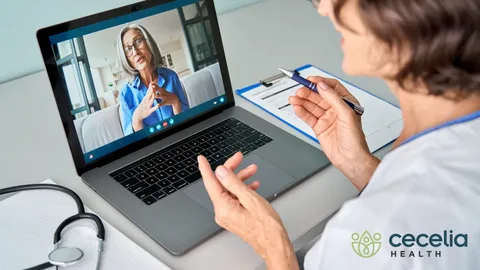
Once just a buzzword, telemedicine has become an integral part of today’s healthcare conversation. It involves offering clinical services remotely through telecommunications technology, allowing patients to consult with healthcare providers via video calls or messaging platforms.
This innovative approach saves time and makes healthcare much more accessible, eliminating the need for in-person visits for minor consultations.
How Telemedicine Facilitates Delivery
Telemedicine plays a pivotal role in streamlining prescription delivery. After a consultation, healthcare providers can send prescriptions directly to local pharmacies, which minimizes delays and removes the need for physical paperwork.
Patients can even receive quick follow-ups to ensure they’re on track—all while their medications are being prepared for delivery. It’s like having a personal assistant dedicated to ensuring that your healthcare needs are met efficiently.
Mobile Applications and Patient Engagement
Popular Medicine Delivery Apps
In the age of mobile applications, it’s possible to order everything from food to clothing—and yes, that includes medications! Applications such as GoodRx and PillPack have reshaped the medicine delivery landscape, providing unique features to keep patients connected to their prescriptions. These apps often allow for price comparisons, auto-refills, and reminders, making medication management hassle-free.
Enhancing Patient Experience through Technology
Mobile applications do more than enhance convenience; they enrich the patient experience as a whole. Features like medication reminders, refill notifications, and personalized health tips foster an interactive relationship between patients and their healthcare.
Patients are no longer passive recipients of care; instead, they take an active role in managing their health, empowered by technology to navigate their medication needs with ease.
Automation and Robotics in Medicine Delivery
Types of Automation in Delivery Services
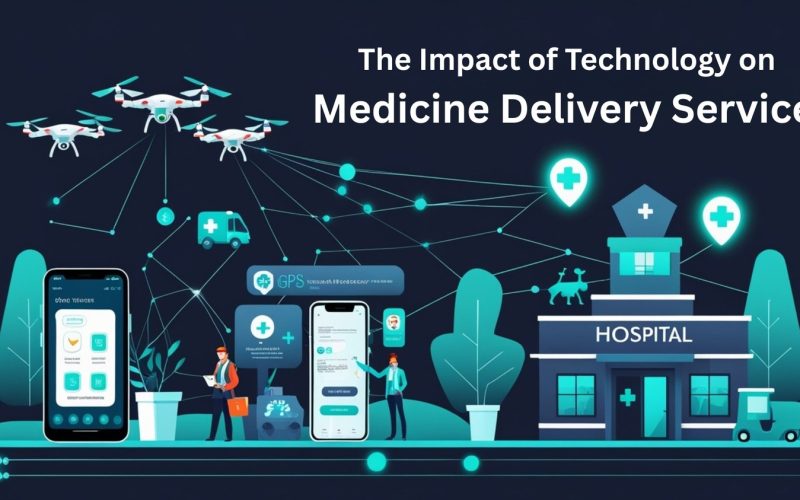
Automating medicine delivery comes in various forms, improving what was once a laborious process. Drones now fly prescriptions directly to patients, while automated kiosks dispense medications on demand.
Warehousing robots streamline sorting and packing, turning what used to be a tedious task into an efficient operation. Automation enhances speed and safety, making the entire delivery process quicker and smarter.
Benefits of Robotics in Healthcare Logistics
Robotics brings an exciting dimension to healthcare logistics. Robots can operate around the clock, eliminating human error and ensuring that medications are delivered precisely and efficiently.
They can safely navigate challenging environments, ensuring that medications arrive precisely as needed. While healthcare professionals handle patient care, robots can handle logistics, easing the overall burden on the healthcare system.
Data Analytics and Personalized Medicine
The Role of Big Data in Medicine Delivery
In the realm of medicine delivery, Big Data plays a superhero role by analyzing vast amounts of information to optimize delivery routes, anticipate demand, and manage inventory more effectively.
By studying patient data, healthcare providers can discern trends that improve the way prescriptions are stocked and delivered, helping to guarantee availability when patients need it most. This transformation from guesswork to informed strategy is a game-changer.
Customizing Delivery Based on Patient Needs
The capability to personalize medication delivery is one of the most exciting advancements brought about by data analytics. By leveraging patient profiles, providers can tailor delivery times, methods, and even the medications themselves to fit individual preferences, enhancing patient satisfaction and adherence to treatment plans.
Challenges and Ethical Considerations
Privacy Concerns with Digital Health
As technology becomes central to healthcare, patient privacy concerns rise. With healthcare providers collecting and analyzing enormous amounts of personal data, the potential for breaches becomes a pressing issue. Patients want reassurance that their prescription history and sensitive information are secure, necessitating discussions around data security and ethical practices within the healthcare community.
Access and Equity in Medicine Delivery
Despite technological advancements, it’s essential to remain vigilant about access disparities. Not everyone can benefit from the latest technology, and while drone deliveries may seem futuristic, they don’t address the needs of underserved communities.
Disparities in internet access, smartphone ownership, and tech literacy can leave some patients feeling disconnected. Ensuring equitable access to medicine delivery services is crucial for achieving the full benefits of innovation.
Future Trends in Medicine Delivery Services
Emerging Technologies Shaping the Future
The horizon of medicine delivery is bright with the promise of emerging technologies. Integrating telehealth for real-time consultations while medications are in transit is just the beginning. Artificial intelligence will revolutionize predictive analytics further, anticipating patient needs before they even arise. Blockchain technology could also enhance supply chain security and transparency.
Predictions for the Next Decade in Medicine Delivery
In the decade to come, we may witness medicine delivery services transform almost entirely. Expect to see autonomous delivery vehicles navigating neighborhoods and 3D printing evolving into on-demand medication production. If we leverage technology wisely, patients will find themselves focusing more on enjoying life rather than worrying about accessing their medications.
Conclusion
The integration of technology into medicine delivery services has fundamentally altered how patients access their medications, ushering in a new era of convenience and efficiency.
As these advancements continue to evolve, healthcare providers and policymakers face the challenge of addressing ethical considerations while maximizing the benefits of these innovations for all patients. The future of medicine delivery promises to enhance health outcomes and encourage a more patient-centric approach to care.
Frequently Asked Questions
- How has telemedicine improved medicine delivery services?
Telemedicine facilitates remote consultations, enabling providers to prescribe medications quickly and efficiently, minimizing delays. - What role do mobile applications play in medicine delivery?
Mobile apps enhance ordering and tracking of medications while providing reminders and improving patient engagement. - Are there any privacy concerns associated with technology in medicine delivery?
Yes, the increased use of digital platforms raises significant concerns about data privacy, making it vital for providers to secure patient information. - What challenges do healthcare providers face when adopting technology in medicine delivery?
Providers may struggle with staff training, integration challenges, and ensuring equitable access for all patients regardless of their technological proficiency.