




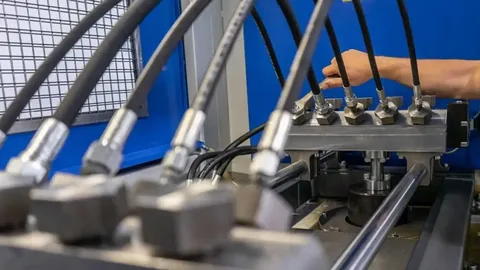
Hydraulic pressure testing is a critical process used to verify the strength, integrity, and safety of hydraulic systems and components.
From pipelines and valves to pumps and cylinders, this testing method ensures that equipment can withstand operating pressures without leaks or failures.
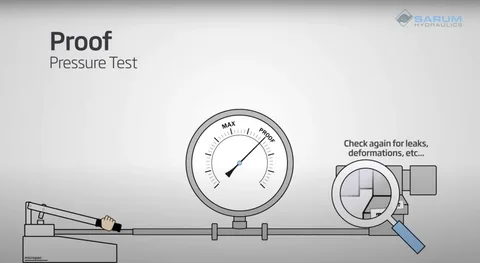
In today’s industrial world, hydraulic pressure testing matters more than ever. With increasing safety regulations, higher performance demands, and costly downtime risks, industries rely on accurate testing to protect people, assets, and operations.
Trusted service providers like Hydro Test Solutions play an important role in delivering reliable testing standards across sectors.
The Roots of Hydraulic Pressure Testing
Over time, pressure testing evolved from a manual inspection process into a standardized engineering discipline.
Accuracy, repeatability, and documentation became essential as industries expanded and systems grew more complex.
Modern Hydraulic Pressure Testing: Innovation Meets Style
Modern pressure testing has advanced significantly, combining precision engineering with smart technology. Today’s testing solutions focus on speed, accuracy, and data-driven results.
Performance & Technology
Advanced sensors, digital pressure gauges, and automated testing rigs have transformed hydraulic pressure testing. These technologies allow technicians to monitor pressure changes in real time, detect micro-leaks, and record test data with high accuracy.
Improved materials and seals also enhance system efficiency. Modern testing equipment reduces human error, shortens testing cycles, and ensures compliance with strict international standards.
Design, Style, or Visual Identity
Modern testing equipment is not just functional—it is designed with clarity and usability in mind. Clean layouts, digital displays, and intuitive controls make pressure testing more efficient and professional.
The visual identity of modern testing systems reflects precision and reliability. Well-designed equipment improves workflow, enhances safety, and supports consistent testing outcomes across different environments.
User or Fan-Centric Approach
Today’s users value simplicity and reliability. Modern hydraulic pressure testing solutions are designed to support technicians, engineers, and inspectors with easy setup, clear results, and minimal maintenance.
This user-focused approach reduces training time and increases confidence. Professionals appreciate systems that help them work faster without compromising accuracy or safety.
How Hydraulic Pressure Testing Reflects Identity or Value
Hydraulic pressure testing represents more than a technical requirement—it reflects a commitment to safety, quality, and responsibility. Companies that invest in proper testing demonstrate professionalism and care for their workforce and customers.
For many organizations, pressure testing is part of their brand identity. It signals reliability, compliance, and long-term thinking. A well-tested system builds trust with clients, regulators, and partners alike.
Collecting or Long-Term Value
While pressure testing is not a collectible in the traditional sense, it offers long-term value through system longevity and reduced risk. Regular testing helps identify weaknesses early, preventing costly failures and extending equipment life.
For industries with high-value assets, consistent testing becomes an investment rather than an expense. Over time, it protects infrastructure, reduces insurance risks, and supports sustainable operations.
Tips for Choosing the Right Hydraulic Pressure Testing
Selecting the right hydraulic pressure testing approach depends on your application and goals. Keep these practical tips in mind:
- Understand system requirements: Know the operating pressure, fluid type, and safety standards involved.
- Choose accurate equipment: Digital gauges and certified tools improve reliability and documentation.
- Prioritize safety features: Pressure relief valves and controlled testing environments are essential.
- Consider compliance needs: Ensure testing meets industry and regulatory standards.
- Work with experts: Experienced providers deliver consistent results and professional guidance.
Final Thoughts on Hydraulic Pressure Testing
Hydraulic pressure testing has evolved from simple manual checks to advanced, technology-driven solutions. Despite these changes, its core purpose remains the same: ensuring safety, performance, and reliability.
By adopting modern testing practices and partnering with trusted brands like Hydro Test Solutions, businesses can protect their systems and operate with confidence. Hydraulic pressure testing is not just a requirement—it is a foundation for long-term success.
Conclusion
Hydraulic pressure testing plays a vital role in today’s industrial landscape. It safeguards equipment, supports compliance, and builds trust across industries.
From its early roots to modern innovations, the process continues to prove its value.
Whether you are a beginner learning the basics or a buyer seeking reliable testing solutions, understanding empowers smarter decisions.
Explore professional services, invest in quality testing, and ensure your systems are ready to perform safely and efficiently.