




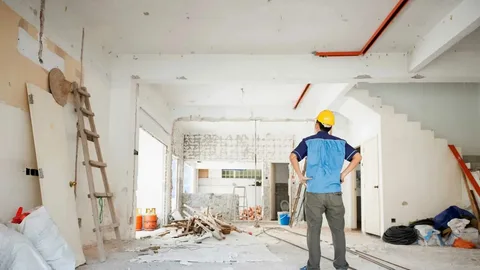
A home renovation can be an exciting opportunity to improve comfort, functionality, and long-term value. Whether it involves updating a kitchen, extending living space, or modernizing an older property, renovation projects often begin with high expectations.
However, many homeowners underestimate the complexity involved. What seems straightforward at the planning stage can quickly become stressful, expensive, and time-consuming if common mistakes are overlooked.
Renovation problems rarely occur because of a single major decision. More often, they arise from a series of small missteps—poor planning, unrealistic budgeting, or unclear communication—that compound over time.
Understanding these pitfalls before work begins can help homeowners make informed choices and keep their renovation project running smoothly. This article explores the most common home renovation mistakes and explains how to avoid them through careful preparation and practical decision-making.

Inadequate Planning Before Starting the Renovation:
Underestimating the Importance of Preparation:
One of the most common home renovation mistakes is rushing into construction without a detailed plan. Many homeowners focus on the final outcome without fully considering the steps required to get there. Inadequate planning often leads to delays, budget overruns, and design compromises.
A well-thought-out plan should define the scope of work, identify priorities, and establish a realistic timeline. It should also consider how the renovation will affect daily living, especially for projects that involve kitchens, bathrooms, or structural changes. Taking the time to plan thoroughly reduces uncertainty and helps prevent costly changes later.
Setting an Unrealistic Budget:
Ignoring Hidden and Contingency Costs:
Budgeting errors are a major source of stress in home renovation projects. Homeowners often calculate costs based solely on visible elements such as materials and labor, overlooking hidden expenses like permits, structural repairs, and temporary accommodation.
Unexpected issues—such as water damage or outdated wiring—are common, especially in older homes. Without a contingency allowance, these surprises can derail the project. A realistic budget should include:
- Construction and material costs
- Professional fees and approvals
- Contingency funds for unforeseen issues
Planning for the unexpected allows the renovation to progress without constant financial pressure.
Focusing on Aesthetics Over Functionality
Design Choices That Look Good but Perform Poorly
Visual appeal is important in any home renovation, but prioritizing appearance over functionality can lead to long-term dissatisfaction. For example, selecting materials that are difficult to maintain or layouts that limit movement may create daily frustrations.
Functional considerations such as storage, lighting, ventilation, and traffic flow should guide design decisions. A renovation that balances aesthetics with practicality is more likely to remain enjoyable and efficient over time.
Skipping Professional Advice:
Attempting to Handle Everything Independently:
Many homeowners try to manage a renovation without professional input in an effort to save money. While this approach may work for minor updates, complex renovations often require technical expertise.
Designers, architects, and builders provide valuable insights into structural requirements, compliance, and efficient use of space. Ignoring professional advice can result in mistakes that are expensive or difficult to correct. Seeking expert guidance early helps ensure that the renovation meets safety standards and performs as intended.
Choosing Contractors Based on Price Alone:
Overlooking Experience and Reliability:
Selecting the lowest quote is a common mistake in home renovation projects. While cost is an important factor, it should not be the sole criterion. Inexperienced or underqualified contractors may offer lower prices but lack the skills required to deliver quality work.
Evaluating contractors should involve reviewing experience, references, and licensing. Clear communication and a written agreement outlining scope, timelines, and responsibilities are essential to avoiding disputes and misunderstandings.
Poor Communication During the Renovation Process:
Assumptions That Lead to Errors:
Miscommunication between homeowners and contractors is a frequent cause of renovation issues. Assumptions about materials, finishes, or timelines can lead to mistakes that require rework.
Regular communication helps ensure that everyone remains aligned as the project progresses. Documenting decisions and changes in writing provides clarity and reduces the risk of confusion. A collaborative approach contributes to smoother execution and better outcomes.
Making Frequent Changes After Construction Begins:
The Cost of Late Decisions:
Changing plans once construction is underway is one of the most disruptive home renovation mistakes. Late changes often result in additional labor costs, material wastage, and extended timelines.
While some adjustments may be unavoidable, many changes occur due to indecision or inadequate planning. Finalizing design choices before work starts helps maintain momentum and keeps costs under control.
Ignoring Permits and Regulatory Requirements:
Compliance Is Not Optional:
Renovation projects often require permits and approvals, particularly for structural changes, electrical work, and plumbing. Skipping this step can lead to legal complications, fines, or difficulties when selling the property.
Understanding local building regulations and obtaining the necessary approvals ensures that the renovation complies with safety and legal standards. Compliance also provides peace of mind that the work has been inspected and approved by relevant authorities.
Underestimating the Impact on Daily Life:
Living Through a Renovation:
Many homeowners underestimate how disruptive a home renovation can be. Noise, dust, limited access to rooms, and temporary loss of essential facilities can affect daily routines.
Planning for these disruptions is important, especially for larger projects. Arranging temporary living solutions or scheduling work in stages can help minimize inconvenience and stress during the renovation period.
Attempting Excessive DIY Work:
Knowing Personal Limits:
DIY projects can be rewarding, but attempting complex tasks without the necessary skills can compromise safety and quality. Electrical, plumbing, and structural work require professional expertise and should not be approached casually.
Even when DIY work is feasible, poor execution can lead to additional repair costs. Understanding personal limitations and seeking professional help when needed is essential for a successful home renovation.
Overlooking Long-Term Maintenance Needs:
Short-Term Savings, Long-Term Costs:
Selecting cheaper materials or solutions may reduce upfront costs, but it can increase maintenance expenses over time. Materials that wear quickly or require frequent repairs may diminish the renovation’s long-term value.
Considering durability and maintenance requirements during material selection supports better long-term performance and reduces future expenses.
Failing to Plan for Future Needs:
Renovating Only for the Present:
A home renovation should consider not only current needs but also potential future changes. Growing families, ageing occupants, or changing lifestyles may affect how spaces are used over time.
Flexible layouts and adaptable design features can extend the usefulness of a renovation and reduce the need for further modifications soon.
Conclusion:
A successful home renovation depends as much on avoiding common mistakes as it does on good design and workmanship. Poor planning, unrealistic budgets, and lack of communication can quickly turn an exciting project into a stressful experience. By understanding these pitfalls and approaching the renovation with preparation, clarity, and realistic expectations, homeowners can significantly improve the chances of a smooth process.
Avoiding these common home renovation mistakes helps ensure that the result is functional, compliant, and aligned with long-term needs. With thoughtful planning and informed decision-making, a renovation can be a positive and rewarding investment rather than a source of ongoing frustration.