





Expanding your home in New Jersey can be one of the most rewarding ways to increase your living space, enhance functionality, and boost property value. Whether you’re adding a new bedroom, expanding your kitchen, or building a finished basement, home expansions allow you to tailor your living environment to your family’s needs.
However, while the idea may seem straightforward, taking on a home expansion project involves multiple layers of planning, regulatory compliance, budgeting, and construction management.
Numerous homeowners frequently inquire, “How difficult is it truly to extend a house in New Jersey?” The solution relies on thorough planning and expert advice.
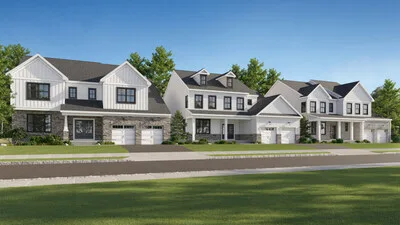
Understanding Local Zoning and Building Codes
One of the earliest challenges you’ll encounter when planning a home expansion in New Jersey is navigating local zoning and building codes. Every municipality has specific rules regarding building setbacks, maximum height restrictions, lot coverage, and allowable building areas.
For example, a city like Newark may have stricter regulations than smaller towns, affecting how far your addition must be from property lines and neighboring homes. Failure to comply with these codes can result in fines, delays, or even being required to tear down non-compliant structures.
Before beginning any design plans, it’s essential to consult your town or city building department and review the local ordinances. Hiring a professional residential construction company in New Jersey can make this process significantly smoother.
Experienced builders understand the nuances of local regulations and can advise on feasible expansion options, helping you avoid costly mistakes. For homeowners seeking more information on reliable services, you can visit residential construction company in NJ.
Budgeting for Your Home Expansion
Budgeting is another critical aspect that homeowners often underestimate. The total cost of a home expansion can vary widely depending on the size of the addition, quality of materials, labor, and the complexity of the design.
Adding a single bedroom or extending a living room may be relatively straightforward, but specialized areas such as kitchens, bathrooms, or finished basements require plumbing, electrical work, and sometimes structural modifications, all of which increase costs.
It is also important to factor in potential surprises. Older homes may require structural reinforcements or updates to existing wiring and plumbing to accommodate the new space.
These unexpected requirements can significantly increase your budget if not planned in advance. Experts typically recommend adding a contingency of at least 10–15% to your estimated costs to cover unforeseen expenses. By preparing a comprehensive financial plan, you can reduce stress and avoid delays once construction begins.
Permits and Approvals for home construction in New Jersey
Securing the right permits is an unavoidable step in the home expansion process. In New Jersey, most residential expansions require approvals from multiple municipal departments.
You’ll likely need a construction permit, electrical and plumbing inspections, and, depending on the scope of the project, environmental clearances. For instance, if your addition affects drainage or involves tree removal, additional permits may be necessary.
Obtaining these approvals can take anywhere from a few weeks to several months, depending on your municipality and the complexity of your project. Early planning is crucial; beginning construction before securing permits can lead to fines, forced halts, or even having to redo work.
A reputable residential construction company in New Jersey can handle permit submissions on your behalf, ensuring that every step complies with local laws and building codes.
Choosing the Right Contractor
Selecting the right contractor is perhaps one of the most important decisions you will make during your home expansion. A skilled and experienced residential construction team can manage timelines, coordinate with subcontractors, and ensure that all work meets New Jersey’s building standards.
They can also guide you on design decisions, material selection, and cost-effective solutions to avoid overspending.
When evaluating potential contractors, it’s advisable to check their credentials, references, and past projects. Transparency regarding timelines, budget, and expected outcomes is key. The right contractor will not only execute the work efficiently but also communicate clearly and professionally, making the entire process less stressful for you as a homeowner.
Planning and Design Considerations
Beyond permits and contractors, thoughtful planning and design are vital for a successful expansion. Homeowners should consider how the new space integrates with existing rooms, natural light, traffic flow, and overall aesthetics.
For example, an expanded kitchen should complement your current dining area, and additional bedrooms should align with the home’s style and layout. Interior design consultation may also be valuable for maximizing functionality and ensuring the space feels cohesive rather than added on.
Energy efficiency and sustainability are additional factors worth considering. Modern home expansions often incorporate energy-efficient windows, insulation, and HVAC systems, which can reduce long-term utility costs and improve home comfort.
Discussing these options with your construction team early in the planning process can help incorporate them seamlessly into the project.
Timeline and Construction Logistics for home construction in New Jersey
Another factor homeowners need to account for is the timeline. Depending on the size and complexity of your expansion, construction may take several months from planning to completion.
Smaller additions may take just a few weeks, while larger projects with multiple rooms or extensive structural changes can extend to six months or more. Weather, material availability, and subcontractor schedules can also affect timelines, so flexibility and realistic expectations are crucial.
Proper coordination of construction logistics is equally important. This includes site preparation, temporary relocation of furniture, and ensuring that work areas are safe and accessible. A professional construction company will have experience managing these logistical details efficiently, minimizing disruption to your daily life.
The Benefits of Expanding Your Home
Despite the challenges, expanding your home offers significant long-term benefits. It provides additional living space tailored to your family’s needs, enhances your home’s resale value, and allows you to modernize and upgrade key areas.
Whether it’s adding a master suite, creating a home office, or building an entertainment area, the extra space can improve both functionality and comfort. Moreover, a well-planned expansion can make your home more appealing to future buyers, offering a strong return on investment.
Conclusion
In conclusion, expanding your home in New Jersey is an achievable goal but one that requires careful planning, budgeting, and adherence to local regulations. Understanding zoning laws, securing the necessary permits, choosing the right contractor, and planning for potential surprises are all critical steps in ensuring a smooth project.
By working with an experienced residential construction company in New Jersey, homeowners can navigate these challenges effectively, creating the additional space they need while protecting their investment.
With proper guidance, dedication, and foresight, expanding your home can be a fulfilling project that significantly enhances your living environment and long-term property value. For more guidance and professional support, visit residential construction company in NJ.