


Have you ever had a day where your hair just seems to cooperate, and suddenly you feel ready to take on the world? It’s not just you. Hair has a powerful connection to how we see ourselves and how we present ourselves to others. Whether it flows straight and sleek, bounces with defined waves, or coils into tight, beautiful curls, the state of our hair often feels like a reflection of our overall well-being.
In a world where first impressions matter and self-expression is celebrated, healthy hair is more than just a beauty goal—it’s a confidence booster. And while some days are better than others, understanding the basics of hair science, daily care, and available treatments can make those good hair days more frequent and lasting.
The Building Blocks of Your Healthy Hair
Let’s start with what’s actually growing out of your head. Each strand is primarily composed of a strong protein called keratin. This protein is produced in hair follicles, tiny pockets located just beneath the surface of your scalp. Attached to these follicles are sebaceous glands, which secrete a natural oil called sebum. This oil is your hair’s first line of defense, traveling down each strand to keep it moisturized and protected.
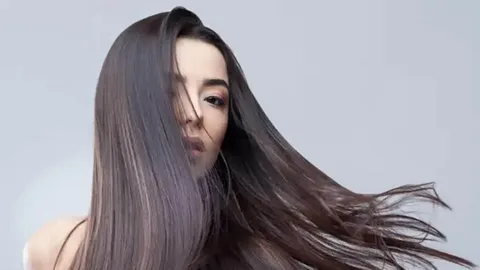
Hair doesn’t just grow continuously; it follows a natural cycle with three distinct phases:
The Anagen Phase: This is the active growing stage, which can last anywhere from two to seven years. The more extended this phase lasts, the more your hair can grow.
The Telogen Phase: The resting phase, which lasts a few months. At the end of this phase, the hair sheds naturally to make room for new growth.
Speaking of shedding, losing between 50 and 100 strands a day is completely normal. It’s just your hair going through its natural cycle. However, if you start noticing clumps of hair in your brush or excessive thinning, it might be a sign that something deeper is going on.
What Really Impacts Your Healthy Hair?
Healthy Hair isn’t just about the products you use. It’s a complex interplay of what’s happening inside your body and what your hair is exposed to externally.
1. What You Eat Matters
2. Your Hormones Are in Charge
Hormonal fluctuations are a major driver of hair changes. Life events like pregnancy, menopause, or thyroid imbalances can dramatically shift hair density and texture. Conditions like androgenetic alopecia, a common form of hair thinning, are also hormonally driven.
3. Stress Takes a Toll
There’s a reason why a particularly stressful period can be followed by noticeable hair shedding a few months later. This condition, known as telogen effluvium, occurs when stress pushes a large number of follicles into the resting phase simultaneously, leading to a temporary but often alarming increase in hair loss.
4. The Environment Doesn’t Help
Daily exposure to pollutants, harsh UV rays, and extreme weather can wear down the hair’s protective outer layer, leading to dryness and weakness. Just as you protect your skin from the sun, your hair needs consideration too.
5. Our Styling Habits
Heat tools, chemical treatments, and even tight hairstyles are common culprits behind damaged hair. While it’s fun to switch up your look, repeated use of straighteners, curling irons, bleach, and color can strip moisture and lead to breakage and split ends.
Building a Routine That Works
Cleanse Gently, Not Constantly: Use a shampoo suited to your scalp—whether it’s oily, dry, or sensitive. Washing too often can strip away those protective natural oils.
Condition with Purpose: Always follow up with a conditioner, focusing on the mid-lengths and ends where hair is oldest and driest.
Care for Your Scalp: Strong hair originates from healthy skin. Regular, gentle scalp massages can boost blood circulation, helping to deliver nutrients to the follicles.
Deep Condition Weekly: A weekly hair mask or oil treatment can provide a concentrated dose of hydration, especially beneficial for dry or processed hair.
Protect from Heat: This is non-negotiable. A good heat protectant spray creates a barrier between your strands and the high temperatures of styling tools.
Exploring Modern Solutions for Hair Concerns
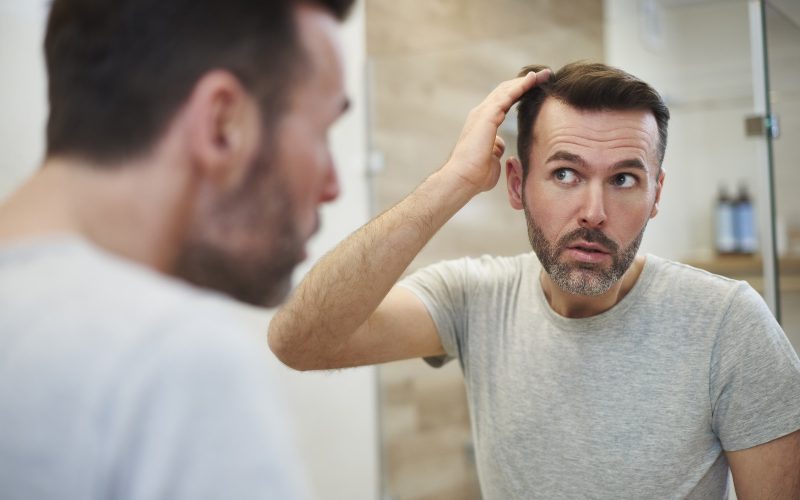
Sometimes, despite our best efforts with diet and home care, we need a little extra help. This is especially true for those dealing with noticeable thinning or bald patches. The good news is that hair restoration has come a long way.
One of the most talked-about non-surgical options today is Platelet-Rich Plasma (PRP) therapy. It’s a treatment that uses your body’s own healing mechanisms. A small sample of your blood is taken and spun in a centrifuge to concentrate the platelets—cells rich in growth factors. This concentrated plasma is then injected into areas of the scalp where hair is thinning. The goal is to stimulate dormant follicles, encouraging them to re-enter the growth phase.
Many people are drawn to PRP because it’s minimally invasive, uses no foreign substances, and has little to no downtime. Results aren’t instant, but over several months, many patients report seeing improved thickness and a reduction in shedding. For those in cities like Islamabad, where advanced care is readily available, understanding the PRP hair treatment price in Islamabad is often the first step in deciding if this option fits their needs and budget.
Other clinical paths include hair transplant surgery, low-level laser therapy, and prescription medications. Each has its own profile of effectiveness, cost, and suitability, making a professional consultation essential.
Separating Fact from Fiction
The world of hair is full of well-meaning advice that isn’t always accurate.
Myth: Frequent trims make hair grow faster.
Fact: Trimming only removes split ends. Growth happens at the follicle, located in the scalp.
Myth: Daily washing causes hair loss.
Fact: The hair you see in the shower was already shed and just got washed away. It didn’t fall out because you washed it.
Myth: Brushing 100 strokes a day boosts shine.
Fact: Over-brushing can actually cause friction, leading to breakage and scalp irritation.
Knowing the facts helps you focus your energy on what truly makes a difference.
The Emotional Side of Hair Care
It’s important to acknowledge that hair is emotional. A bad haircut can ruin a week, and hair loss can be genuinely distressing, impacting self-esteem and confidence. If you’re struggling with hair concerns, seeking professional advice early can provide not just treatment options but also reassurance. You’re not alone in this, and many solutions exist.
The Bigger Picture
Ultimately, achieving and maintaining healthy hair is a long-term game. It’s about connecting the dots between a nourishing diet, a gentle care routine, and knowing when to seek professional help. Whether your goal is to restore lost density, simply add shine, or maintain the health you already have, a holistic approach is your best strategy.
Healthy hair isn’t about perfection. It’s about feeling good in your own skin—and your own strands. With patience, the right information, and a little self-care, you can build a relationship with your hair that leaves you feeling confident, every day.