



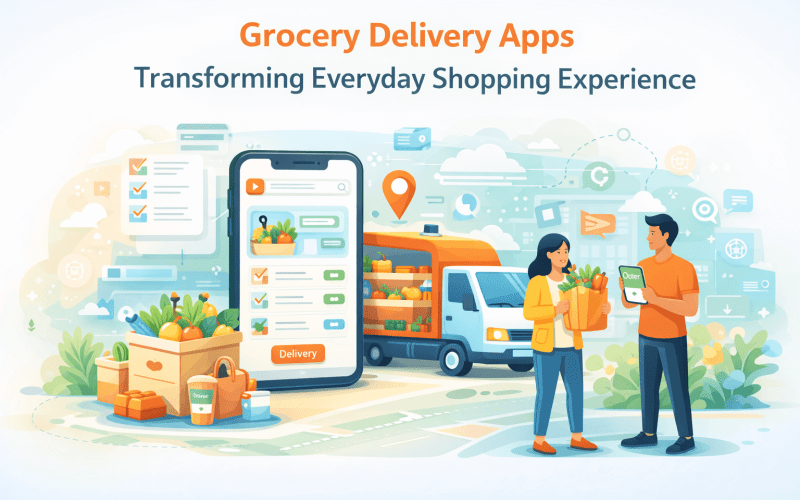
In recent years, grocery delivery apps have completely changed the way we shop for everyday essentials. Offering unmatched convenience, these platforms have made it possible for consumers to browse products, place orders, and have groceries delivered straight to their doorsteps—all with a few taps on a smartphone. As technology advances, these apps continue to evolve, making shopping easier, faster, and more personalized. With busy lives becoming the norm, the demand for time-saving solutions like grocery delivery is skyrocketing, influencing everything from shopping habits to consumer expectations.
The Rise of Grocery Delivery Apps
From Niche to Mainstream
Over the past decade, grocery delivery apps have transitioned from being a niche convenience to a mainstream staple for many shoppers. Initially, only a handful of traditional grocery stores offered delivery services, with mixed results. However, the advent of smartphones and the growing demand for convenience accelerated the rise of these apps.
The COVID-19 pandemic acted as a significant catalyst, driving usage up by over 100% as people sought safe, contactless shopping methods. Today, this trend shows no signs of slowing, with experts predicting continued growth in the years to come.
Key Players in the Market
In this booming market, several major players have emerged, including heavyweights like Instacart, Amazon Fresh, and Walmart Grocery. These apps dominate the space, but smaller brands like Shipt and Thrive Market cater to niche markets, such as organic or health-conscious shoppers. Each platform offers unique features like same-day delivery or subscription models, giving consumers plenty of options to choose from based on their needs and preferences.
How Technology is Shaping the Shopping Experience
The Role of AI and Machine Learning
Behind the scenes, artificial intelligence (AI) and machine learning (ML) are making grocery delivery apps smarter every day. These technologies analyze customer preferences, purchase histories, and behaviors to create personalized shopping experiences. For example, the app might suggest items like avocados just as you’re planning to make guacamole. AI also helps optimize delivery routes and manage inventory, ensuring that the products you want are always in stock, and that deliveries are as fast as possible.
Mobile Accessibility and User-Friendly Interfaces
Gone are the days of struggling through clunky, hard-to-navigate websites. Today’s grocery delivery apps offer sleek, user-friendly interfaces that make shopping feel like a breeze—even for the least tech-savvy among us. With mobile accessibility, consumers can shop anywhere—whether at home, on their lunch break, or while waiting in line for coffee. The ability to browse aisles virtually, filter by dietary preferences, and save favorite items makes grocery shopping feel more like a fun adventure than a chore.
Benefits of Grocery Delivery Services
Convenience and Time-Saving
The number one reason people love grocery delivery apps? Convenience. No more wandering through endless aisles or waiting in crowded checkout lines. Now, you can order your groceries from the comfort of your couch, and they’ll be delivered right to your door. For busy families and professionals, this is a game-changer, saving precious time and reducing stress, leaving you with more time for the things that matter most—like enjoying a cup of coffee or catching up on your favorite Netflix shows.
Variety and Product Availability
Grocery delivery apps offer a wide range of products, from fresh organic produce to exotic ingredients that you might not find at your local store. Whether you’re looking for gluten-free snacks or rare spices for an upcoming dinner party, these apps provide a treasure trove of options. Additionally, many platforms draw from multiple grocery stores, reducing the chances of encountering “out of stock” frustrations.
Cost Comparison with Traditional Shopping
When it comes to pricing, grocery delivery apps are surprisingly competitive. Many platforms offer discounts, exclusive deals, and loyalty programs that can help save money. While delivery fees may apply, savvy shoppers can still find great deals and even compare prices between different platforms. Ultimately, the convenience of shopping from home may be worth the extra cost for many consumers.
Challenges Facing Grocery Delivery Apps
Logistical and Supply Chain Issues
As amazing as these apps are, they do face challenges—particularly in logistics and supply chain management. Issues such as delivery route optimization and inventory shortages can result in delays and out-of-stock surprises. With growing demand and occasional disruptions in the supply chain, keeping customers satisfied can be tricky. However, as these apps continue to expand, finding solutions to these problems will be crucial for their long-term success.
Customer Trust and Security Concerns
With the rise of online shopping comes the inevitable concern over data security. Grocery delivery apps need to address customer concerns about payment information and personal data safety. Consumers are understandably wary of sharing sensitive information in the wake of frequent data breaches. To alleviate these concerns, many apps are investing heavily in security features like encryption and two-factor authentication, aiming to build trust and protect customer information.
Consumer Behavior Shifts in the Age of Convenience
Changing Expectations
The way we shop has fundamentally changed. Modern consumers, juggling busy work schedules, family life, and social commitments, now expect instant gratification and seamless experiences. Grocery delivery apps have capitalized on this desire, offering quick, easy, and reliable shopping experiences. Consumers now expect faster service, better product selection, and the ability to shop while lounging in their pajamas—proving that convenience has become king.
Impact of Demographics on Usage
Grocery delivery apps aren’t just for millennials or Gen Z. While younger generations have embraced these services due to their tech-savviness and dislike for in-store shopping, older generations are catching up quickly. As smartphones become more ubiquitous and consumers increasingly seek ways to simplify tasks, even parents and retirees are using grocery delivery apps, blurring the lines of traditional shopper demographics.
Grocery Delivery vs. Traditional Shopping
Pros and Cons
Grocery delivery vs. traditional shopping is a debate as old as time—well, at least as old as grocery stores. Grocery delivery apps clearly win on the convenience front, letting you shop from the comfort of your home. However, they can sometimes be pricier, and there’s the occasional mix-up with orders. Traditional shopping, on the other hand, offers the chance to pick out fresh produce and the satisfaction of browsing the aisles, but it comes with the hassle of parking, long lines, and the dreaded grocery cart race.
Consumer Preferences and Trends
The trend toward grocery delivery continues to grow. Research shows that over 50% of consumers use grocery delivery services at least once a month, and many families are choosing online shopping for its time-saving benefits. With this shift, grocery stores are facing increased competition from digital platforms, with more and more shoppers turning to their smartphones instead of aisles.
The Future of Grocery Delivery Services
Emerging Technologies
The future of grocery delivery looks bright, with exciting innovations on the horizon. Artificial intelligence and drone delivery could drastically improve service speeds, allowing deliveries in under an hour. Imagine a drone delivering your organic kale while you sip coffee in the comfort of your home. Other innovations, like augmented reality for virtual grocery aisles, could further enhance the shopping experience by making it even easier to navigate digital shelves.
Market Growth and Expansion
As grocery delivery apps continue to grow in popularity, market analysts predict explosive expansion. The global grocery delivery market is expected to grow by billions in the coming years, driven by increasing consumer demand for convenience. As more players enter the market, competition will likely drive prices down, improve service quality, and make the entire experience more user-friendly.
Tips for Choosing the Right Grocery Delivery App
Factors to Consider
When selecting a grocery delivery app, several factors should be considered:
- Pricing: Delivery fees and overall cost are crucial—compare prices across different platforms.
- Selection: Does the app offer the products you need, including specialty items?
- Delivery Speed: How quickly do they deliver, and can you schedule your delivery for a convenient time?
User Reviews and Recommendations
Before committing to a grocery delivery service, check reviews to ensure the platform lives up to its promises. Recommendations from friends and family can also help guide you toward a service that’s reliable and convenient.
FAQ
- What are the most popular grocery delivery apps?
Popular options include Instacart, Amazon Fresh, Shipt, Walmart Grocery, and FreshDirect. - Are grocery delivery apps more expensive than traditional shopping?
While some apps charge delivery fees or have markups, many offer competitive pricing and discounts. - How do I ensure the quality of perishable items?
Many platforms allow you to specify preferences for perishables, and reading reviews can help you pick reliable services. - Can I schedule deliveries?
Yes, most grocery delivery apps allow you to select a time slot that fits your schedule.
Grocery delivery apps are undeniably changing the way we shop, making the experience faster, easier, and more convenient. However, as the market continues to evolve, both consumers and providers will need to navigate the challenges to ensure the future of this industry remains bright.