




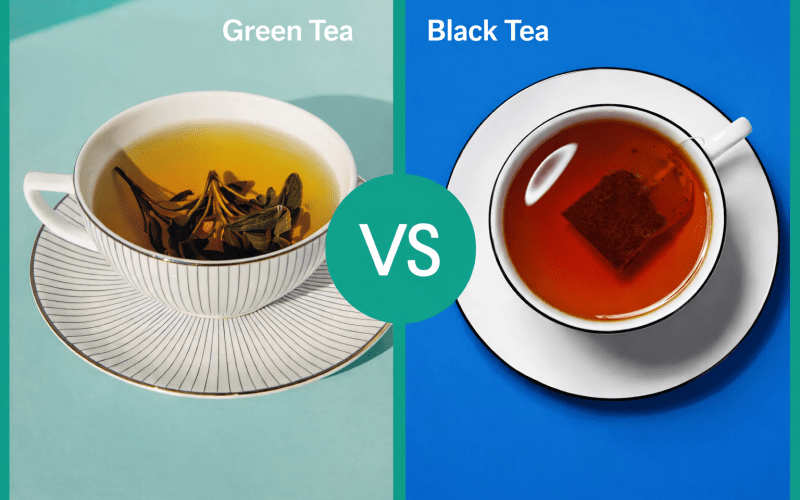
Tea is one of the most widely consumed beverages in the world. It is enjoyed not just for its comforting warmth but also for its potential health benefits. Among the many varieties available, green tea and black tea are the most popular.
While both come from the same tea plant, Camellia sinensis, their processing methods, taste, and nutritional profiles differ significantly. So, which one is actually better for you?
The answer depends on your health goals, lifestyle, and taste preferences. For readers who want to explore the differences more closely, understanding how premium green tea and black tea are categorized and consumed across various collections can provide helpful context.

Green Tea Vs Black Tea Overview
Green tea and black tea originate from the same tea leaves, but the key difference lies in how the leaves are processed after harvesting. Green tea is minimally processed and quickly heated to stop oxidation, which helps preserve its natural green color and plant compounds.
Black tea, on the other hand, is fully oxidized, giving it a darker color and stronger flavor. This difference in processing impacts everything from antioxidant content to taste and caffeine levels. Green tea is often associated with a lighter, fresher profile, while black tea is known for its bold, robust character.
Caffeine Content and Flavor Profiles
One of the most noticeable differences between green tea and black tea is caffeine content. Black tea generally contains more caffeine than green tea, making it a preferred choice for those seeking a stronger energy boost. A cup of black tea can feel more stimulating, similar to a mild coffee alternative.
Green tea contains less caffeine, but it also includes L-theanine, an amino acid known for promoting calm focus. This combination can provide sustained energy without the jitters often associated with higher-caffeine drinks.
In terms of flavor:
- Green tea has a light, grassy, slightly vegetal taste that can range from sweet to mildly bitter depending on brewing.
- Black tea offers a rich, malt, and more robust flavor, often enjoyed plain or with milk, lemon, or spices.
Brewing Process and Tips
| Overview | Green Tea | Black Tea |
| Caffeine | ~30–50 milligrams per cup | ~40–70 milligrams per cup |
| Flavor | Light, grassy, vegetal | Bold, malty, robust |
| Brewing | 160–180°F, 1–3 minutes | 200–212°F, 3–5 minutes |
Brewing tea correctly plays a major role in taste and health benefits.
Green tea is delicate and should be brewed with lower-temperature water (not boiling) for a shorter time. Overheating or over-steeping can result in bitterness and loss of beneficial compounds.
Black tea is more forgiving and is best brewed using hot or boiling water. A longer steep allows its bold flavors and deep color to fully develop.
Simple tips for best results:
- Use fresh, filtered water
- Avoid over-steeping
- Choose high-quality loose leaves when possible
Proper brewing ensures both teas deliver optimal flavor and nutritional value.
Which Tea Is Healthier?
When it comes to health, both green and black tea offer meaningful benefits, though in slightly different ways.
Black Tea Benefits
Black tea contains antioxidants known as theaflavins and thearubigins, which form during oxidation. These compounds are associated with supporting heart health, helping manage cholesterol levels and promoting digestive and gut health.
Black tea may also contribute to improved alertness and mental focus due to its higher caffeine content.
Green Tea Benefits
Green tea is rich in catechins, particularly EGCG, which is widely studied for its potential role in reducing inflammation, supporting metabolism and weight management and promoting brain and cellular health.
Premium green tea is often favored for long-term wellness routines and is commonly associated with detox and antioxidant support. Also discover the Discovering the wellness power of herbal tea.
Key Takeaways and Practical Tips
So, which tea is actually better for you? The truth is, there’s no single winner. Green tea and black tea both provide valuable health benefits and can be part of a balanced lifestyle.
Choose green tea if you prefer a lighter flavor, lower caffeine, and antioxidant-focused wellness. opt for black tea if you enjoy bold taste and need a stronger energy boost. Many people benefit from enjoying both—green tea during calm moments and black tea when extra alertness is needed.
Ultimately, the best tea is the one you enjoy consistently. When brewed properly and consumed mindfully, both green tea and black tea can support overall health and daily well-being.
Both green tea and black tea can fit seamlessly into a healthy daily routine when consumed thoughtfully.
One of the biggest advantages of tea is its versatility—it can be enjoyed hot or cold, plain or blended with natural ingredients like ginger, lemon, mint, or honey to enhance both flavor and benefits.
Incorporating tea into your morning or afternoon routine can help replace sugary beverages while still providing comfort and refreshment.
For people focused on long-term wellness, green tea is often preferred as a daily habit due to its antioxidant density and gentle energy support. It pairs well with meditation, light exercise, or work sessions that require steady concentration.
Black tea, on the other hand, works well during busy mornings, office hours, or as a coffee substitute, offering a stronger and quicker sense of alertness.