




Introduction
The logistics and supply chain industry in America is evolving faster than ever. The rise of e-commerce, globalized trade, and the growing demand for same-day deliveries have put immense pressure on warehouse operations. Manual processes and legacy systems can no longer keep pace with the complexity of modern logistics.
Enter the age of Robotics, Artificial Intelligence (AI), and Cloud Platforms technologies that are revolutionizing warehouse management across the United States. From intelligent robots that pick and pack with precision to cloud-based systems that provide real-time visibility and analytics, warehouses are becoming smarter, faster, and more efficient.
As we look toward 2026 and beyond, American businesses are increasingly partnering with top-tier Warehouse Management Software Development Companies and the best mobile app development companies in USA to future-proof their operations. Let’s explore how these technologies are shaping the next generation of warehouse management.
Future of Warehouse Management in America: Robotics, AI and Cloud
1. The Digital Transformation of Warehousing in the USA
Over the past decade, warehousing in America has shifted from being a back-end function to a strategic asset. Companies like Amazon, Walmart, and FedEx have shown that advanced technology is the cornerstone of operational excellence.
Today, automation is not a luxury it’s a necessity. US warehouses are adopting AI-driven WMS (Warehouse Management Systems), cloud-based data platforms, and autonomous robotics to meet growing market expectations.
The goal is clear: reduce operational costs, increase accuracy, and deliver faster, all while maintaining flexibility and scalability.
2. Robotics in Warehouse Management: The Rise of Automation
- Autonomous Mobile Robots (AMRs): AMRs are among the most visible advancements in American warehousing. These intelligent robots navigate warehouse floors using sensors and cameras, efficiently moving products between zones without human intervention. By automating repetitive tasks like picking, sorting, and transporting goods, AMRs reduce labor dependency and improve productivity. Many warehouses in the US now operate with human-robot collaboration, where robots handle movement and humans focus on quality control and strategic decisions.
- Robotic Picking Systems: AI-powered robotic arms equipped with computer vision can identify, grasp, and handle items with high precision. This minimizes picking errors and accelerates order fulfillment, especially for e-commerce and retail companies.
- Automated Storage and Retrieval Systems (AS/RS): These systems optimize storage density and improve space utilization by automatically retrieving items from racks. They’re particularly valuable for warehouses dealing with thousands of SKUs and limited floor space.
- The Benefits of Robotics:
- 24/7 Operations: Robots don’t need breaks or shifts, ensuring continuous workflow.
- Reduced Labor Costs: Automation reduces dependency on manual labor.
- Higher Accuracy: Robotics minimize human error in picking and sorting.
- Enhanced Safety: Robots handle heavy or hazardous materials, ensuring worker safety.
In the USA, robotics adoption is rising across industries from retail and manufacturing to food, healthcare, and logistics — driven by specialized Warehouse Management Software Development Companies that integrate robotics into unified digital ecosystems.
3. Artificial Intelligence: The Brain of Modern Warehouses
While robotics act as the hands of warehouse automation, AI serves as the brain. Artificial Intelligence enables warehouses to make smarter decisions, faster.
- Predictive Analytics for Inventory Optimization: AI algorithms analyze sales data, market trends, and historical demand to predict future needs. This ensures the right products are always in stock reducing overstocking and stockouts. For instance, AI-based systems can forecast demand surges during holidays or seasonal peaks and automatically adjust procurement and staffing levels.
- Smart Routing and Workflow Automation: AI optimizes how goods move within the warehouse. It determines the fastest routes for pickers or robots, dynamically reorganizes shelves based on item popularity, and minimizes travel time. This not only enhances speed but also improves employee productivity.
- Quality Assurance and Computer Vision: Using AI-powered image recognition, warehouses can now automate quality checks. Systems can detect damaged goods, verify packaging, and flag anomalies in real time.
- Predictive Maintenance: AI monitors warehouse machinery and robotics to predict when maintenance is required preventing costly downtime.
- AI-Driven Decision-Making: By connecting all warehouse data from inventory and logistics to workforce management AI provides actionable insights. Managers can view predictive dashboards, helping them make better operational decisions. With the support of a Warehouse Management Software Development Company, businesses in the USA are integrating AI directly into their WMS platforms, enabling full-scale automation and real-time analytics.
4. Cloud Platforms: The Foundation of Smart Warehousing
The shift to cloud-based warehouse management systems is one of the most transformative trends in the logistics industry. Cloud platforms provide scalability, accessibility, and cost-effectiveness that traditional on-premise systems can’t match.
- Real-Time Data Accessibility: Cloud systems give managers instant visibility into every part of the supply chain from inbound shipments to order fulfillment accessible from any device or location.
- Integration with Other Systems: Cloud WMS platforms easily integrate with ERP, CRM, and eCommerce systems, ensuring data flows seamlessly across departments.
- Enhanced Collaboration: Cloud-based systems allow real-time collaboration among suppliers, logistics providers, and warehouse teams, improving communication and efficiency.
- Cost Savings: Since cloud systems operate on a subscription model, businesses save significantly on infrastructure, maintenance, and IT staffing.
- Security and Backup: Top app development companies in USA ensure cloud systems are built with advanced encryption and backup protocols to protect sensitive business data.
5. The Synergy Between Robotics, AI, and Cloud
When Robotics, AI, and Cloud technologies work together, they create a self-learning, adaptive, and scalable ecosystem.
Here’s how the integration looks in a future-ready warehouse:
- AI algorithms forecast demand and schedule tasks.
- Robots execute those tasks autonomously.
- Cloud systems synchronize data in real time for managers to monitor and adjust operations.
This synergy transforms warehouses into intelligent networks that operate with minimal human input yet deliver maximum efficiency.
A skilled Warehouse Management Software Development Company plays a key role in building such integrated ecosystems — designing platforms where robotics hardware, AI software, and cloud systems work in harmony.
6. Benefits of Next-Gen Warehouse Technologies
Businesses across America adopting these advanced technologies are already seeing remarkable benefits:
- Higher Efficiency: Automation reduces cycle times and eliminates bottlenecks.
- Improved Accuracy: AI minimizes human errors and enhances precision in picking and shipping.
- Scalability: Cloud systems allow warehouses to expand operations without large infrastructure investments.
- Reduced Operational Costs: Predictive analytics and automation lower labor and logistics expenses.
- Real-Time Decision-Making: Managers gain access to live dashboards for quick insights.
- Enhanced Customer Satisfaction: Faster, error-free fulfillment boosts end-user experience.
In short, the fusion of robotics, AI, and cloud platforms is helping American warehouses achieve levels of efficiency that were once unimaginable.
7. Real-World Examples of Smart Warehousing in the USA
- Amazon: Operates hundreds of AI-driven fulfillment centers across the US using robotics and machine learning for picking, sorting, and routing.
- Walmart: Utilizes cloud and AI for inventory forecasting and warehouse automation.
- FedEx: Employs AI-powered robotics for sorting and real-time route optimization.
- Kroger: Implements cloud-based warehouse systems for automated grocery fulfillment.
These success stories are inspiring mid-sized US enterprises to partner with tech innovators to develop customized, AI-integrated warehouse management systems.
8. Partnering with the Right Technology Experts
To leverage these technologies effectively, companies must collaborate with specialists.
A Warehouse Management Software Development Company offers the expertise to design and implement custom solutions tailored to your business needs from robotics integration and AI analytics to cloud migration.
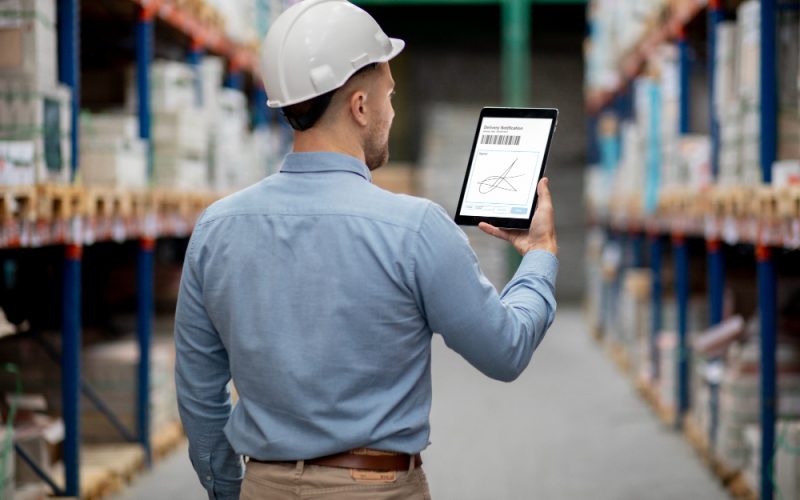
Meanwhile, the best mobile app development company in USA ensures your entire workforce has access to real-time data, performance dashboards, and task automation tools — right from their smartphones or tablets.
This partnership enables warehouses to operate with agility and intelligence, keeping businesses ahead in a competitive logistics market.
9. The Road Ahead: The Future of American Warehousing
By 2030, warehouses in the USA will be fully autonomous ecosystems powered by interconnected systems. Expect the rise of:
- AI-driven Digital Twins for real-time warehouse simulations.
- 5G and Edge Computing for instant device communication.
- Collaborative Robots (Cobots) working alongside human teams.
- Blockchain Integration for transparent and secure supply chains.
- Sustainable Warehousing through energy-efficient AI-powered systems.
In this future landscape, human workers will focus less on repetitive labor and more on strategy, supervision, and innovation.
Conclusion
The future of warehouse management in America is intelligent, automated, and connected. Robotics, AI, and cloud platforms are redefining how goods move from suppliers to consumers with unmatched speed, precision, and efficiency.
Businesses that embrace this digital shift will gain a competitive advantage in an increasingly complex market. The key lies in partnering with the right technology experts a trusted Warehouse Management Software Development Company for building scalable, AI-integrated systems and the best mobile app development company in USA to extend these capabilities into mobile environments.
As the American logistics ecosystem continues to evolve, one thing is clear: the warehouses of tomorrow will think, adapt, and optimize themselves powered by intelligent technology and visionary innovation.