




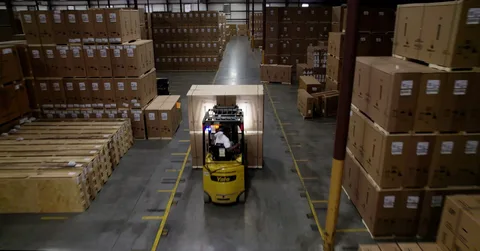
FTZ warehousing, also known as Foreign Trade Zone storage, is changing how businesses manage international goods. It allows companies to store, handle, or even manufacture products within a secure zone before paying customs duties.
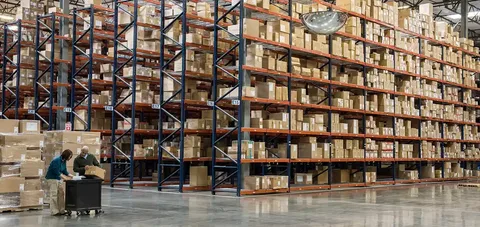
This approach helps reduce costs, improves efficiency, and supports smoother global trade.
In this blog, readers will learn what FTZ warehousing means, how it works, and why it has become a key part of international business operations.
Understanding FTZ Warehousing
An FTZ, or Foreign Trade Zone, is a special area near a port or airport where imported goods can be kept without paying customs duties until they enter the local market.
helps companies save money and time while giving them more control over how goods move through the supply chain.
How FTZ Warehousing Works
When goods arrive from other countries, they are placed in an FTZ warehouse. These goods are not yet considered part of the country’s market, which means duties and taxes are not immediately charged.
Companies can store, sort, label, or even assemble products inside the FTZ. Once the goods are ready to be sold or distributed, duties are paid only on the items entering the market.
The Difference Between FTZ Warehousing and Regular Storage
A regular warehouse holds goods that have already passed through customs, meaning duties are already paid
n contrast, an FTZ warehouse provides more flexibility, allowing businesses to manage their products efficiently without immediate financial pressure.
Moreover, it creates a safe space where companies can prepare their goods for future sales.
The Advantages of FTZ Warehousing
FTZ warehousing brings many benefits that help businesses grow and compete globally. It supports cost savings, faster operations, and smarter inventory management.
Cost Savings for Businesses
One of the biggest benefits of FTZ warehousing is cost savings. Companies can delay or even avoid paying duties on imported items.
For example, if goods are stored for a long time or re-exported to another country, they may never require duty payments. This helps businesses keep their money free for other important needs, such as production or marketing.
Better Efficiency and Speed
FTZ warehouses make international trade smoother by simplifying customs processes. Businesses can store, assemble, and prepare goods for shipment in one location.
Moreover, they can respond faster to market needs because goods are already nearby, ready to move once required.
Stronger Supply Chain Control
With FTZ warehousing, businesses have better control over their supply chains. They can manage the flow of goods based on demand and reduce waiting times.
Moreover, this system allows for improved organization of imports and exports, helping businesses stay competitive in global markets.
How FTZ Warehousing Supports International Growth
FTZ warehousing is not only about saving money but also about opening doors to new opportunities. It allows companies of all sizes to take part in global trade more confidently.
Helping Small and Large Businesses Alike
FTZ warehousing is valuable for both large corporations and smaller importers. For smaller businesses, it offers a way to compete internationally without heavy financial strain.
Larger companies, on the other hand, can handle higher volumes efficiently while reducing operational costs.
Supporting Sustainable Practices
Another benefit of FTZ warehousing is that it encourages sustainability. By consolidating storage, handling, and packaging in one place, businesses reduce extra transportation steps.
This helps lower fuel use and carbon emissions, supporting eco-friendly trade practices.
Encouraging Investment and Job Creation
FTZs often attract more investment because they create an environment where trade is easier. As more companies use FTZ warehousing, new jobs are created in logistics, management, and transportation.
Moreover, the growth of these zones can boost the economy of surrounding regions.
Wholesale Warehousing and Its Role in FTZ Operations
FTZ warehousing often works hand in hand with wholesale warehouse operations. A wholesale warehouse stores goods in bulk for later distribution to retailers or customers.
When such operations take place within an FTZ, the results are even more efficient.
Combining Wholesale and FTZ Benefits
Wholesale warehouses in an FTZ can import products in large quantities, store them, and prepare them for sale without immediate tax payments.
This makes the process cost-effective while keeping goods ready for market demand. Moreover, it allows companies to test different markets before officially importing their products, reducing risk and maximizing flexibility.
Improving Global Distribution
By combining wholesale warehouse strategies with FTZ warehousing, companies can manage international distribution better.
They can serve customers in multiple countries quickly because goods are stored in zones close to major transport hubs. This improves delivery times and customer satisfaction.
The Future of FTZ Warehousing
As global trade continues to grow, the need for efficient storage and distribution systems becomes even more important.
FTZ warehousing will play a larger role in helping companies manage their international operations.
Embracing Technology
Technology will shape the future of FTZ warehousing. Tools such as automated inventory systems, real-time tracking, and AI-based planning will make these facilities even more efficient.
Businesses will gain better insight into their goods and be able to make faster, smarter decisions.
Expanding Global Trade Networks
More countries are developing FTZs to attract businesses and investments.
This means FTZ warehousing will continue to expand across new regions, offering global companies more opportunities to grow and trade smoothly.
Conclusion
FTZ warehousing is a smart and reliable way for businesses to handle international goods. It helps save money, improves efficiency, and allows companies to focus on growth rather than costs.
Moreover, when combined with wholesale warehouse operations, it creates a powerful system for managing global trade. As more companies turn to FTZ warehousing, they will continue to enjoy smoother operations and stronger control over their supply chains.
The future of international trade is brighter with the continued growth of FTZ warehousing.