





Introduction
Many people think arthritis only starts when joint pain becomes severe. But in reality, the body often sends early signals long before serious symptoms appear. Fatigue, stiffness, mild swelling, and unexplained discomfort can all be silent signs of arthritis developing in the background. This is where blood tests play an important role. They help uncover what the eyes cannot see, making it easier to diagnose arthritis early and manage it better. In this article, we explore how blood tests detect hidden arthritis, what markers doctors look for, and why early testing can transform a patient’s health journey.
Understanding Arthritis and Its Hidden Symptoms
Arthritis is not just one disease. It includes several conditions that cause joint inflammation, pain, and stiffness. Some types develop slowly, while others progress quickly. What makes arthritis tricky is that many early symptoms seem unrelated to the joints. Signs like constant tiredness, weakness, fever, and swelling in small joints can easily be confused with common everyday issues.
Because early symptoms are so subtle, many people delay visiting a doctor. Without proper tests, arthritis can quietly progress, making treatment harder later. Blood tests help identify the early changes happening inside the body, long before joints show serious damage.
Why Blood Tests Matter in Detecting Arthritis
Blood tests do not diagnose arthritis alone, but they provide strong clues. Doctors use them to understand inflammation levels, immune system activity, and the presence of specific proteins linked with arthritis. These tests help narrow down the type of arthritis and guide treatment plans.
Blood tests are especially useful for conditions like rheumatoid arthritis, lupus-related arthritis, psoriatic arthritis, and other autoimmune types where the immune system attacks the joints.
Common Blood Tests Used to Detect Arthritis
Several blood tests help uncover arthritis early. Each one provides different information about what is happening inside the body.
1. Erythrocyte Sedimentation Rate (ESR)
ESR measures how quickly red blood cells settle at the bottom of a test tube. When the body has inflammation, they settle faster. A high ESR may suggest inflammation in the joints or tissues.
Doctors use this test to detect early warning signs of arthritis and to track how well treatment is working.
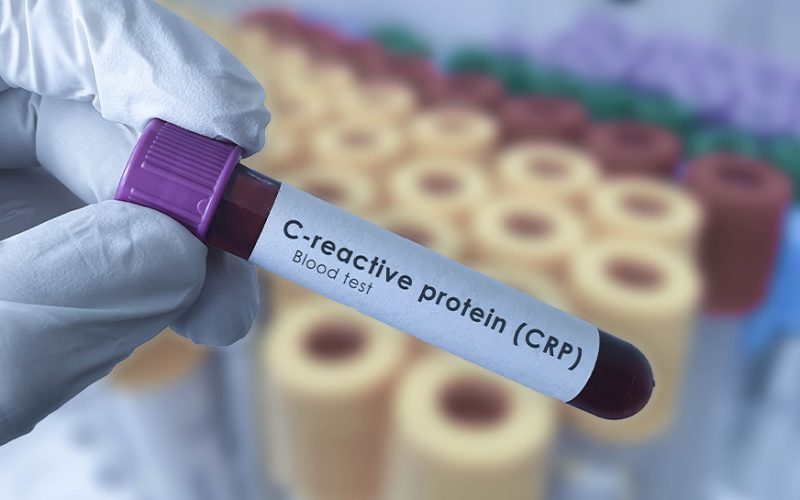
2. C-Reactive Protein (CRP)
CRP levels rise when the body experiences inflammation. This protein is produced by the liver and increases quickly during flare-ups. A high CRP level can indicate active arthritis, especially rheumatoid arthritis or psoriatic arthritis.
This test helps show how severe the inflammation is and guides treatment decisions.
3. Rheumatoid Factor (RF)
Rheumatoid factor is an antibody found in many people with rheumatoid arthritis. It does not confirm the disease on its own, but if levels are high, it raises suspicion.
Some people may have RF even without arthritis, so doctors look at this test along with symptoms and other results.
4. Anti-Cyclic Citrullinated Peptide (Anti-CCP)
Anti-CCP is one of the most accurate blood markers for detecting early rheumatoid arthritis. When this antibody is present, it often means the immune system is mistakenly attacking the joints.
A positive Anti-CCP test gives doctors a strong reason to start early care and prevent future joint damage.
5. Antinuclear Antibody (ANA) Test
The ANA test checks for antibodies that attack the body’s own tissues. A positive ANA test may suggest autoimmune conditions like lupus or other inflammatory diseases that involve arthritis.
Although this test is not specific to arthritis, it is helpful for uncovering hidden autoimmune problems.
6. Complete Blood Count (CBC)
A CBC measures several elements of blood, including red cells, white cells, and platelets. It helps detect signs like anemia or infection that may appear in certain types of arthritis.
For example, many people with rheumatoid arthritis develop anemia due to long-term inflammation.
How Blood Tests Connect Symptoms to Diagnosis

Many symptoms of arthritis feel ordinary at first. A person may think they are simply tired, stressed, or aging. But blood tests help connect these symptoms to internal inflammation.
1. Fatigue
Fatigue is one of the earliest signs of inflammatory arthritis. Blood tests often show increased inflammation markers in people who feel tired without a clear reason.
2. Swelling and Stiffness
Even mild swelling in fingers or knees can signal inflammatory problems. Tests like ESR and CRP rise when inflammation builds up inside the joints.
3. Pain in Multiple Joints
Pain spreading across several joints may indicate an autoimmune form of arthritis. Blood tests help determine whether the immune system is involved.
4. Unexplained Fever
Some people with arthritis experience low fevers. Blood tests may reveal abnormal markers linked to immune activity.
5. Weakness or Loss of Energy
Low red blood cell levels found in a CBC test can point to anemia caused by long-term inflammation.
The Role of Early Blood Testing in Better Treatment
The earlier arthritis is detected, the easier it is to manage. Blood tests help doctors begin treatment before joints suffer serious damage. Early intervention can:
- Slow disease progression
- Reduce pain and swelling
- Prevent permanent joint deformity
- Improve mobility and energy levels
- Help patients maintain a better quality of life
Blood tests also help monitor the effectiveness of treatment. If inflammation markers decrease, it shows that the therapy is working.
When Should You Consider a Blood Test for Arthritis?
You should talk to a doctor about testing if you notice:
- Joint stiffness lasting more than 30 minutes in the morning
- Swelling in hands, feet, or knees
- Constant tiredness without a clear reason
- Recurring joint pain
- Warmth or redness in joints
- Pain that comes and goes but keeps returning
Early testing is especially important for people with a family history of arthritis or autoimmune diseases.
How Blood Tests Work During Diagnosis
When you visit a doctor, they will ask about your symptoms, check your joints, and order blood tests. The results help identify patterns. If markers are high, doctors may ask for imaging tests like X-rays or ultrasounds to confirm joint damage.
Blood tests guide the entire diagnosis process. They reveal how active the inflammation is and whether the immune system is involved.
Are Blood Tests Alone Enough to Diagnose Arthritis?
Blood tests are helpful but not enough on their own. Some people with arthritis may show normal results. Others may show positive markers but have no symptoms. Doctors use blood tests along with:
- Medical history
- Physical examinations
- Imaging tests
- Symptom patterns
Together, these tools give a complete picture of what is happening inside the body.
Conclusion
Arthritis does not always start with obvious symptoms. It often begins quietly with fatigue, stiffness, and mild swelling. Blood tests play a vital role in uncovering these early warning signs by detecting inflammation and immune activity long before the joints suffer damage. Understanding markers like ESR, CRP, Anti-CCP, and RF helps doctors diagnose arthritis early and start effective treatment. Early testing gives people a better chance to control their symptoms, protect their joints, and live a healthier, more active life.