



Workplace safety in industrial environments has become more critical than ever. With the increasing use of automated machinery, high-temperature processes, and chemical handling, the risk of fire-related incidents is a constant concern.
For companies looking to protect their workforce, investing in fire retardant PPE is no longer optional—it is a strategic priority that safeguards employees, maintains compliance, and ensures uninterrupted operations.
But what makes fire retardant PPE different from regular safety gear? And why should businesses work with trusted fire protective clothing manufacturers to source their industrial safety equipment? Let’s explore these questions in depth.

What Is Fire Retardant PPE?
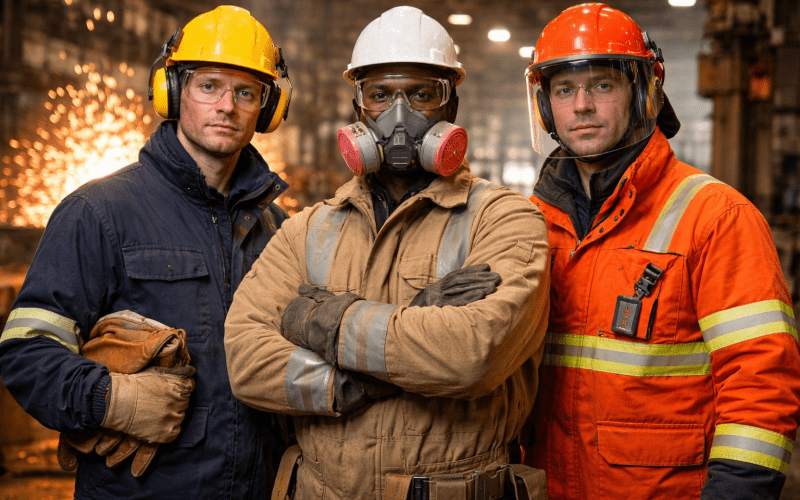
Fire retardant PPE refers to protective clothing and equipment specifically designed to reduce the risk of burns, flames, and heat exposure in industrial environments.
Unlike standard work uniforms, this clothing uses advanced materials engineered to withstand high temperatures, sparks, and short-duration flames.
Common examples of fire retardant PPE include:
- Flame-resistant jackets and overalls
- Heat-resistant gloves
- Protective trousers designed for welding, smelting, and electrical work
- Industrial coveralls with fire retardant coatings
The purpose of this specialized PPE is clear: it provides workers with critical protection against fire hazards, reducing the likelihood of injury while allowing them to perform their tasks efficiently.
Why Industrial Workplaces Need Fire Retardant PPE
Industrial workplaces such as manufacturing plants, refineries, and chemical facilities often expose employees to multiple fire hazards. Sparks, molten metals, flammable chemicals, and high-temperature machinery all contribute to a potentially dangerous environment.
Here’s why fire retardant PPE is essential:
-
Minimizes Workplace Injuries
Even minor exposure to flames or sparks can result in severe burns and long-term injuries. High-quality fire-resistant workwear ensures that employees remain protected, even in high-risk situations. -
Ensures Regulatory Compliance
Industries must adhere to strict safety regulations enforced by OSHA and other governing bodies. Using certified fire retardant PPE helps companies meet these standards, avoiding fines, penalties, and legal complications. -
Maintains Operational Continuity
In the event of a fire-related hazard, downtime can be costly. Protective clothing designed to resist flames helps reduce the severity of incidents, keeping operations running and minimizing financial losses. -
Builds Employee Confidence
Workers are more productive when they feel safe. Providing top-quality flame resistant workwear signals that a company values employee safety, increasing morale and reducing turnover.
Choosing the Right Fire Protective Clothing Manufacturers
Finding a reliable fire protective clothing manufacturer is crucial for businesses that want high-quality, certified PPE. Not all suppliers offer the same standards, so it’s important to consider:
-
Certifications and Compliance: Ensure the manufacturer provides gear that meets international fire safety standards.
-
Experience and Expertise: Suppliers specializing in industrial fire protection have the knowledge to recommend the best solutions for your workplace hazards.
-
Product Range: Look for manufacturers offering a wide range of flame-resistant workwear, from jackets and trousers to gloves and coveralls.
-
Supply Capacity: Ensure they can handle large orders and provide consistent quality across multiple sites.
Working with reputable manufacturers ensures that your workforce is protected with tested, reliable, and durable fire retardant PPE.
The Benefits of Flame Resistant Workwear
Flame resistant workwear is more than just protective clothing it’s a strategic tool for industrial safety management. Key benefits include:
- Protection Against Heat and Flames: Specialized fabrics resist ignition, providing vital seconds for escape or containment.
- Durability: High-quality materials ensure longevity, even under repeated exposure to heat and sparks.
- Comfort and Mobility: Modern flame-resistant clothing balances protection with ergonomics, allowing workers to move freely.
- Cost Efficiency: Investing in durable PPE reduces the need for frequent replacements, lowering long-term expenses.
Industries such as welding, oil & gas, electrical, and chemical processing particularly benefit from flame resistant workwear, where even minor incidents can lead to significant injury or property damage.
Common Industries Using Fire Retardant PPE
Several high-risk sectors rely heavily on fire retardant PPE and flame-resistant workwear to protect employees:
-
Manufacturing & Heavy Industry
Workers are exposed to molten metal, sparks, and welding hazards. Fire-resistant jackets, gloves, and overalls reduce burn risks. -
Oil & Gas & Petrochemical Plants
Flammable chemicals and gases make these workplaces extremely hazardous. Fire retardant PPE minimizes risks during routine operations and emergency scenarios. -
Electrical & Utilities
High-voltage equipment can generate sparks and arcs. Flame-resistant clothing protects workers from arc flash injuries. -
Laboratories & Chemical Processing
Chemical reactions can sometimes cause unexpected fires. PPE designed for fire resistance ensures that employees remain safe during experiments and processing tasks.
Key Considerations for Industrial Safety Managers
When selecting fire retardant PPE for industrial environments, safety managers should consider:
- Hazard Assessment: Identify the types of fire hazards present and select PPE accordingly.
- Quality of Material: Opt for tested fabrics that comply with standards such as NFPA, EN, or ISO.
- Employee Comfort: PPE that is uncomfortable may lead to improper use, defeating the purpose of protection.
- Supplier Reliability: Partnering with established fire protective clothing manufacturers ensures timely delivery and consistent quality.
Emerging Trends in Fire Retardant PPE
Industrial safety is evolving with innovation in materials and design. Some notable trends include:
-
Lightweight Fabrics: Fire-resistant materials that are lighter and breathable, improving comfort for long shifts.
-
Multi-functional Workwear: Clothing that combines fire resistance, high visibility, and chemical protection in a single garment.
-
Sustainability: Eco-friendly flame-resistant fabrics that reduce environmental impact without compromising safety.
-
Smart PPE: Sensors integrated into flame-resistant clothing to monitor heat exposure or worker safety in real-time.
These innovations allow companies to maintain high safety standards while enhancing employee comfort and productivity.
Final Thoughts
In industrial workplaces, fire hazards are unavoidable but the impact can be significantly reduced with the right fire retardant PPE.
Businesses that invest in certified, high-quality flame resistant workwear not only protect their workforce but also improve operational efficiency, ensure compliance, and strengthen their reputation.
Partnering with trusted fire protective clothing manufacturers guarantees reliable products, expert guidance, and consistent supply.
For B2B companies, prioritizing industrial fire safety is a strategic investment that delivers measurable benefits: fewer accidents, higher productivity, and a confident, protected workforce.
Protect your employees, comply with regulations, and maintain operational excellence with fire retardant PPE the cornerstone of industrial workplace safety.