






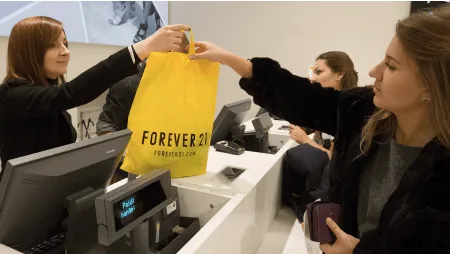
The global apparel industry is being relentlessly reshaped by the formidable force of fast fashion. Characterized by its breakneck speed to market, trend-driven designs, and accessible price points, this sector is a testament to the modern consumer’s desire for constant newness. The numbers tell a powerful story: the Fast Fashion Market, valued at USD 93.66 billion in 2022, is on a steep trajectory, projected to surge to USD 167.50 billion by 2030, expanding at a compound annual growth rate (CAGR) of 7.70%. This growth narrative, however, is no longer just about rapid production cycles and low costs.
It is increasingly defined by a complex dance between relentless consumer demand, digital innovation, and an urgent pivot toward sustainability and ethical practices. This analysis delves into the key drivers, emerging trends, and competitive strategies that will define the fast fashion landscape on its path to 2030 and beyond.
Deconstructing the Fast Fashion Engine: Core Mechanisms and Global Footprint
At its heart, the fast fashion model is an operational marvel. It relies on agile, vertically integrated supply chains that compress the traditional design-to-retail timeline from months to mere weeks. T
his is powered by real-time data analytics that monitor social media trends, celebrity styles, and street fashion, feeding directly into design and production decisions. The dominance of e-commerce and mobile apps has been the ultimate accelerant, creating a direct, always-on channel to the consumer and enabling a high-turnover model of micro-collections.
Geographically, the Asia-Pacific region stands as the undisputed epicenter of the fast fashion market. This dominance is fueled by a massive and growing consumer base, particularly an aspirational middle class, coupled with its role as the world’s primary low-cost manufacturing hub.
Europe remains a critical trendsetter and mature market, where established players are pioneering sustainable practices and digital design tools in response to stringent regulations and conscious consumers. North America presents a market of steady growth, where the conversation is increasingly dominated by the values of millennials and Gen Z, pushing sustainability, transparency, and ethical sourcing from niche concerns to mainstream demands.
Primary Market Drivers: The Fuel for Growth
Several interconnected forces are propelling the market forward:
-
Rising Urbanization & Disposable Income: In emerging economies across Southeast Asia, Latin America, and Africa, urbanization is creating dense consumer markets with increased spending power. For these new urbanites, fast fashion offers an affordable gateway to global trends and frequent wardrobe refreshment.
-
The Digital Commerce Ecosystem: The proliferation of user-friendly online platforms, seamless payment gateways, and advanced logistics networks has dismantled geographical barriers. Giants like SHEIN have mastered an on-demand, direct-to-consumer model that leverages real-time sales data to inform production, minimizing inventory risk and maximizing trend relevance.
-
The Social Media Catalyst: Platforms like Instagram, TikTok, and Pinterest have transformed from social networks into powerful discovery and commerce engines. Trends can viralize overnight, creating immediate demand that only an agile fast fashion supply chain can capitalize on. Influencer marketing has become a cornerstone of brand strategy, driving immediacy and perceived scarcity.
-
Supply Chain Hyper-Efficiency: The adoption of technologies like 3D garment design, automated cutting, and just-in-time manufacturing allows for smaller, more frequent production runs. This reduces overstock, allows for rapid response to bestsellers, and theoretically can lessen waste—a key point of contention and innovation.
The Sustainability Imperative: From Driver to Existential Trend
Perhaps the most significant shift in the fast fashion narrative is the evolution of sustainability from a peripheral concern to a central business imperative and emerging trend. Facing criticism over environmental impact and labor practices, leading players are actively rebranding.
-
Circular Fashion Principles: Brands are investing in clothing rental services, take-back schemes, and in-house resale platforms. This “circular” model aims to extend garment life and capture value from used clothing.
-
Material Innovation: There is a significant push toward sustainable materials, including recycled polyester (often from plastic bottles), organic cotton, and nascent biodegradable textiles. Innovations in waterless dyeing and digital printing are also reducing the industry’s environmental footprint.
-
AI-Driven Efficiency: Artificial intelligence is being deployed not just for trend forecasting but also to optimize fabric utilization, predict exact demand to reduce overproduction, and manage more sustainable logistics networks.
The Competitive Arena: Agility Meets Responsibility
The market features a blend of established giants and digitally-native vertical brands (DNVBs). Major players include Zara (Inditex Group), renowned for its lightning-fast supply chain; H&M Group, a leader in sustainability pledges and circular initiatives; Uniqlo (Fast Retailing), focusing on quality basics and technology-driven fabrics; and digital disruptors like SHEIN and Boohoo, which have mastered data-driven, social-first marketing and ultra-fast, test-and-repeat production models.
The competitive strategy is now twofold: maintain unparalleled speed and trend accuracy while authentically integrating responsibility. Companies are focusing on:
-
Online-First & Omnichannel Excellence: Seamlessly blending digital and physical experiences, with services like buy-online-pick-up-in-store (BOPIS) and virtual try-ons.
-
Collaborations & Micro-Brands: Partnering with influencers, designers, and even other brands to create buzz and tap into dedicated communities.
-
Transparency Initiatives: Utilizing blockchain and other technologies to provide consumers with visibility into their supply chain, from raw material to finished garment.
Kings Research Perspective: The Convergence of Speed and Responsibility
As highlighted by Kings Research, the future of the Fast Fashion Market hinges on a critical convergence: the integration of technological speed with ethical and environmental responsibility. The sector’s phenomenal growth to a projected USD 167.50 billion by 2030 is assured only if it can successfully navigate this pivot.
The path forward will be led by those who invest in data-driven design to eliminate guesswork and waste, build genuine circular production models that decouple growth from resource consumption, and develop eco-efficient logistics.
Sustainability is no longer just a marketing tactic; it is becoming synonymous with long-term viability and brand trust. As regulatory pressures mount and consumer consciousness deepens, innovation in these areas will unlock not just compliance, but new, resilient revenue streams and a sustainable license to operate in the global fashion arena. The race is no longer solely about who is fastest to market, but about who is most intelligent and responsible in their pursuit of growth