




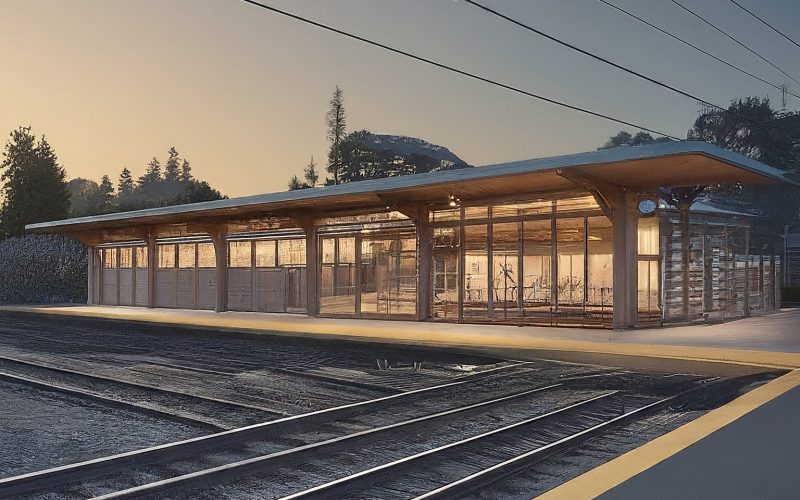
Rail travel remains one of the most meaningful modes of transportation in the United States—not just for utility, but for the identity it brings to towns built around tracks. Some stations are iconic for grand architecture or metropolitan buzz, while others quietly drive the heartbeat of everyday life. Exton Train Station belongs to the second category—simple, community-focused, efficient, and historically rooted.
Located in Chester County, Pennsylvania, Exton Train Station serves as a strategic rail stop that bridges suburban lifestyles with urban connectivity. The station currently supports two primary rail systems: Amtrak’s Keystone Service and the SEPTA Paoli/Thorndale Line—one catering to intercity travel, the other powering high-frequency commuter transit. This dual service makes the station a shared platform for office workers, students, families, and occasional travelers exploring destinations beyond state borders.
Historical Timeline and Rail Origins
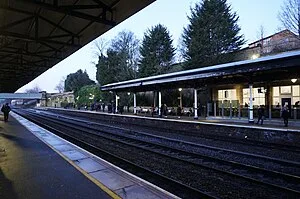
Exton’s story with railroads begins in the late 1800s, at a time when rail expansion was fueling industrial growth and regional accessibility in the northeastern United States. The area was originally part of the Exton train station
Railroad Network, a rail system once considered the largest railroad by traffic and revenue in America. During this period, Exton was largely an agricultural community. Trains carried not just passengers, but livestock, produce, dairy products, timber, coal, and industrial supplies—helping neighboring towns grow economically.
As decades passed, railroads experienced national transitions—leading to reorganizations that eventually formed the modern services we see today. With suburban expansion accelerating in the 1900s, Exton evolved into a commuter-heavy town. Corporate parks, residential neighborhoods, shopping centers, educational institutions, and major highways began happening faster than expected. As road congestion increased, rail commuting demand grew stronger—and Exton Train Station became a necessary, not optional, transport hub.
Today, though reconstructed and upgraded for modern passenger needs, the station continues running on historically established rail lines—preserving the legacy of Pennsylvania’s rail infrastructure.
The Role of Exton Train Station in Modern Transit
Despite being a smaller station compared to major terminals like 30th Street Station in Philadelphia or Penn Station in New York, Exton plays a huge role for those traveling regionally or commuting daily.
-
Daily commuters heading toward Philadelphia rely heavily on SEPTA trains scheduled frequently throughout peak morning and evening hours.
-
Intercity travelers board Amtrak’s Keystone trains to destinations like Lancaster, Harrisburg, or connect further via Philadelphia for extended northbound journeys.
-
Students from nearby colleges and schools use the station for academic travel or weekend home visits.
-
Families and holiday travelers choose Amtrak from Exton when planning comfortable non-road travel weekends.
-
Local professionals working in Exton’s business parks prefer park-and-ride rail travel to avoid highway traffic.
Exton Train Station isn’t about extravagance—it’s about dependability and necessity.
Passenger Facilities and Commuter Structure
Although the station operates without staffed ticket counters, it is equipped with essential transit infrastructure that supports a smooth boarding experience:
-
Large Parking Lot – The station functions fundamentally as a park-and-ride rail stop. The availability of free or daily parking options nearby supports high commuter use.
-
Sheltered Waiting Areas – Weatherproof passenger shelters with seating space are available on both sides of the platforms.
-
ADA Accessibility – The station complies with federal accessibility requirements, including ramps, clearly marked pathways, and high-visibility rail safety structures.
-
Real-Time Rail Reliability – SEPTA trains, especially, operate on dependable timing schedules, ensuring predictable transit planning.
-
Dual Side Boarding Platforms – The station includes two platforms: one for eastbound travel, the other for westbound rail routes.
-
Safe & Well-Lit Environment – The station includes evening security lighting and monitoring, ensuring safe passenger movement in early morning and late evening hours.
-
Clear Scheduling System – Since the station focuses on rail traffic efficiency, digital ticketing and mobile scheduling tools are most commonly used by passengers.
SEPTA Paoli/Thorndale Line vs. Amtrak Keystone Service
The station serves two parallel rail audiences, each with different travel objectives:
This coexistence gives Exton regular queues of weekday travelers wearing office bags on one hand and weekend adventurers rolling luggage on the other.
Local Landmarks, Business Hubs, and Nearby Convenience
Unlike remote rail stops, Exton Train Station sits in a location surrounded by activity. Within a few minutes of travel, one can find:
-
Exton Square Mall – A major indoor shopping center featuring retail stores, restaurants, banks, entertainment spaces, and meet-up points.
-
Main Street at Exton – A lifestyle outdoor shopping area known for cafés, boutiques, dining options, bookstores, open seating, and pedestrian social spaces.
-
Corporate Business Parks – Exton supports multiple large office parks where thousands of professionals work daily, contributing largely to commuter rail volume.
-
Hotels – Chain hotels and business-friendly stays surround the region, making the station useful for corporate travel.
-
Highway Connectivity – The station sits close to US Route 30, Route 202, and the Pennsylvania Turnpike, making rail commuting a practical escape from road congestion.
-
Local Bus Access – SEPTA bus services connect neighboring town routes to the station for onward rail travel.
The station’s environment makes it easy to shift between travel, work, dining, shopping, and leisure.
Typical Passenger Travel Trends
Weekdays:
Peak commuter rush hours generally include heavy passenger volume between 6:30 AM to 9:00 AM and 4:30 PM to 7:00 PM.
Weekends:
Passenger traffic is lighter, quieter, and dominated by intercity riders and family travelers.
Seasonal Travel:
Winter commuters prefer the shelter areas, while summer traffic peaks show increased Amtrak use during holidays.
Travel Tips for Everyday and Occasional Riders
-
Use mobile ticketing apps before arriving at the station.
-
Reach the platform 10–12 minutes early during weekdays.
-
Parking spaces closer to the station fill fast—opt for distant rows if arriving last-minute.
-
Weekends are ideal for calm travel and seat availability.
-
If connecting from a SEPTA train to Amtrak, verify platform directions early.
-
For city-bound morning travel to Philadelphia, weekday crowd density is highest mid-week (Tuesday to Thursday).
Final Thought – A Station That Serves More Than Just Rails
Though small in structure, Exton Train Station moves thousands of lives weekly. It connects rural roots with suburban growth and urban destinations. It isn’t iconic for size—it’s essential for service, necessity, reliability, and history.