





Embroidery has always been a symbol of creativity, culture, and craftsmanship. From traditional hand-stitching to modern machine embroidery, the art has continuously evolved with time.
Today, technology plays a crucial role in embroidery through a process known as Embroidery Digitization.
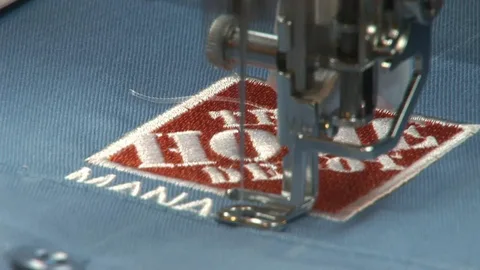
This process has transformed the industry, making designs more precise, faster to produce, and accessible to businesses and hobbyists worldwide.
In this blog, we’ll dive deep into what digitization for embroidery is, why it is so important, and how Embroidery Digitization has become the backbone of today’s embroidery industry.
What is Digitization for Embroidery?
At its core, digitization for embroidery is the process of converting artwork, logos, or custom designs into a digital file that embroidery machines can read.
Unlike a regular image file (like JPEG or PNG), embroidery machines need a special file format that contains stitch instructions. These instructions tell the machine:
-
Where to place each stitch
-
What stitch type to use (satin, fill, or running stitch)
-
The direction and density of the stitches
-
Thread color sequences
Without this process, even the most advanced embroidery machine cannot stitch a design accurately. That’s why Embroidery Digitization is often referred to as the “bridge” between creativity and machine precision.
Why Digitization Matters in Embroidery
The embroidery industry has grown significantly in the past few decades, with digitization at the center of this growth. Here’s why it matters:
-
Accuracy and Precision
Digitization for embroidery ensures that every stitch is placed perfectly. A design that looks simple on paper could become distorted without proper digitizing. -
The digitization process accounts for fabric stretch, thread thickness, and machine tension, ensuring the design looks flawless when embroidered.
-
Customization
Businesses today thrive on personalization. Whether it’s a company logo on uniforms, a custom patch for a sports team, or a unique design on promotional products, embroidery digitizing makes customization possible at scale. -
Time-Saving
Hand embroidery can take hours or even days to complete a detailed design. With digitization and embroidery machines, the same design can be produced in minutes—saving time while maintaining quality. -
Scalability for Businesses
For embroidery shops and apparel companies, digitization is not just an option—it’s a necessity. Digitized files can be reused for bulk orders, ensuring consistency across hundreds of garments. -
Creative Possibilities
Digitization opens doors for endless creativity. From 3D puff embroidery to appliqué and textured effects, skilled digitizers can bring out dimensions in designs that wouldn’t be possible with hand stitching alone.
The Process of Embroidery Digitization
Many people think Embroidery Digitization is just about converting an image into a machine-readable file. But in reality, it’s both an art and a science. Here’s a simplified look at the process:
-
Understanding the Design
A digitizer first examines the artwork. Complex designs might need adjustments so they translate well into stitches. For example, tiny text may need to be enlarged, or intricate details simplified. -
Choosing Stitch Types
The digitizer decides what stitch types best suit each part of the design. For instance, satin stitches are often used for borders and text, while fill stitches work well for larger areas. -
Setting Stitch Directions and Density
The direction of stitches affects the look and durability of the embroidery. Density is equally important—too many stitches can damage the fabric, while too few may result in a weak design. -
Assigning Colors and Layers
Color sequencing is arranged to avoid unnecessary thread changes and machine stops, ensuring efficiency during the production process. -
Test Run (Sample Stitch-Out)
Before final approval, a sample embroidery is run on fabric to check the quality. If adjustments are needed, the digitizer tweaks the file until the design comes out perfect.
The Role of Skilled Digitizers
Although software plays a big part in Embroidery Digitization, the role of skilled professionals cannot be underestimated. Software alone cannot decide stitch directions, compensate for fabric types, or predict how threads will interact with materials.
An experienced digitizer understands the nuances of different fabrics like cotton, polyester, leather, or caps. For example, digitizing a logo for a t-shirt requires different settings compared to digitizing for a structured hat.
This expertise ensures the embroidery looks professional and lasts longer.
Benefits of Professional Embroidery Digitization
If you run a business or plan to get embroidery done, investing in professional digitization services is always worthwhile. Here’s why:
-
Crisp, Clear Designs: Your logos and artwork will appear exactly as intended.
-
Durability: Professionally digitized designs hold up well after washing and wearing.
-
Reduced Production Issues: Good digitization minimizes thread breaks, machine downtime, and wasted materials.
-
Brand Image: For businesses, embroidery often represents the company. A poorly digitized logo can harm your brand’s reputation.
Common Applications of Embroidery Digitization
Embroidery Digitization is everywhere around us, even if we don’t always notice it. Some of the most common applications include:
-
Corporate Apparel: Logos on uniforms, shirts, and jackets.
-
Sports Teams: Names, numbers, and team logos on jerseys and caps.
-
Promotional Products: Tote bags, caps, towels, and giveaways.
-
Fashion and Streetwear: Creative embroidery designs on jackets, jeans, and accessories.
-
Patches: Custom embroidery patches for branding, hobbies, and collectors.
Future of Embroidery Digitization
As technology advances, the future of Embroidery Digitization looks even more promising. With AI-powered tools, cloud-based software, and smart embroidery machines, the process is becoming faster and more efficient.
However, creativity and human expertise will always be vital. Machines can follow instructions, but only skilled digitizers can understand the artistic side of embroidery.
Final Thoughts
Digitization for embroidery is more than just a technical step—it is the heart of modern embroidery. Without it, embroidery machines would be unable to bring creative designs to life.
Whether you’re a small business owner, a fashion designer, or simply someone passionate about embroidery, understanding Embroidery Digitization gives you a deeper appreciation for the craft.
From enhancing precision to enabling mass production and endless customization, digitization has revolutionized embroidery. It combines technology with artistry, ensuring that every stitch tells a story.
So, the next time you admire a beautifully embroidered logo on a shirt or a custom patch on a jacket, remember—the magic started with Embroidery Digitization.