




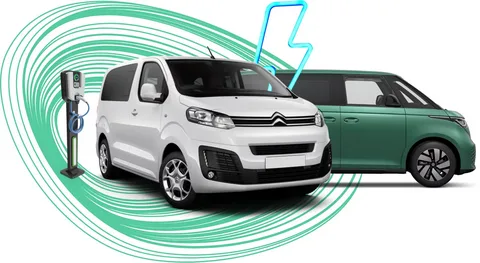
The electric vehicle (EV) revolution is in full swing, and electric vans are emerging as a key player in this transformation. From logistics companies to urban commuters, electric vans are increasingly becoming a critical part of the global push toward sustainable transportation. This article explores the Electric Van market, examining its growth trajectory, the factors driving its expansion, and the future trends shaping the industry.
The Rise of Electric Vans: A Market Overview
The global electric van industry is experiencing an explosive growth rate, with projections that the market, valued at USD 9.27 billion in 2025, will reach a remarkable USD 42.35 billion by 2032, growing at a compound annual growth rate (CAGR) of 21.25% from 2025 to 2032. This rapid expansion is a result of numerous driving factors, including advancements in battery technology, growing environmental awareness, and shifting regulatory policies worldwide.
As industries increasingly adopt sustainable practices, electric vans are at the forefront of providing eco-friendly solutions for logistics, e-commerce, and passenger transport. Companies can now use these vehicles not only to reduce emissions but also to create operational efficiencies in their fleets.
Key Drivers Behind the Growth of the Electric Van Market
The growth of the electric van market is driven by several key factors that are reshaping the way businesses approach transportation and logistics.
1. Environmental Concerns and Government Incentives
With growing awareness of the environmental impact of traditional internal combustion engine (ICE) vehicles, governments worldwide have ramped up their support for cleaner, more sustainable alternatives. This has led to the introduction of favorable incentives, subsidies, and policies designed to promote the adoption of electric vehicles (EVs). For instance, many countries offer tax breaks, reduced tolls, and financial support to companies and individuals who invest in EVs.
2. Technological Advancements
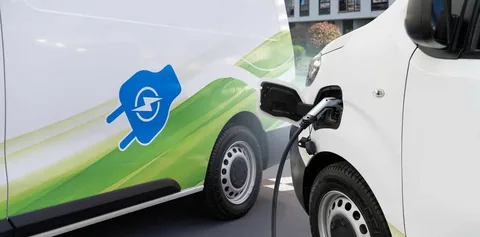
Battery technology, a crucial component in the growth of the electric van market, has made significant leaps. With improved energy density, faster charging times, and greater ranges, electric vans are increasingly becoming practical for long-distance logistics and commercial use. As charging infrastructure also improves globally, the viability of electric vans for everyday use continues to increase.
3. Growing Demand for E-commerce and Last-Mile Delivery
The rise of e-commerce has dramatically increased the demand for last-mile delivery services, which are crucial in urban areas. Electric vans, with their lower operational costs and environmental benefits, are a perfect fit for this sector. As more companies move to reduce their carbon footprints, electric vans offer a cleaner, more efficient solution for meeting the demands of rapid delivery times.
The Competitive Landscape: Who’s Leading the Charge?
The electric van market is highly competitive, with many major automakers now turning their focus to EV production. Below are some of the key players driving the industry forward:
Leading Players:
- Ford Motor Company
- Hyundai Motor Company
- Nissan
- Volkswagen AG
- Tata Motors Limited
- Renault
- BYD Company Ltd.
- General Motors
- Stellantis N.V.
- Honda Motor Co., Ltd.
These companies are not only expanding their electric van offerings but also investing in new technologies to improve range, charging speeds, and overall vehicle performance. For businesses, collaborating with these established players offers an opportunity to tap into a growing market with proven products.
Key Segments and Market Applications
The electric van market serves a variety of industries, each with its unique requirements and challenges. Understanding these market segments is crucial for businesses looking to capitalize on the growing trend.
1. By Range
- Up to 100 miles
- 100–200 miles
- Above 200 miles
The range of an electric van is a key consideration for commercial use. Vans with higher ranges are preferred for longer routes, especially in logistics and passenger transportation.
2. By Propulsion Type
- Battery Electric Vehicle (BEV)
- Fuel Cell Electric Vehicles (FCEV)
- Plug-in Hybrid Electric Vehicles (PHEV)
Different propulsion types cater to different market needs. BEVs are the most common in the electric van market, but FCEVs and PHEVs are emerging as viable options, particularly in regions where charging infrastructure may still be limited.
3. By Application
- Logistics and Transportation
- E-commerce
- Passenger Transport
- Field Services
Electric vans are primarily used in logistics and e-commerce, but they’re also gaining traction in passenger transport and field services, where their low operating costs and environmental benefits align with market needs.
Regional Insights: Where Is the Market Growing?
The demand for electric vans is not uniform across the globe. The market dynamics in North America, Europe, Asia Pacific, and other regions are shaped by local policies, consumer preferences, and infrastructure development.
- Europe is leading the way with its aggressive sustainability targets and adoption of electric vehicles across various sectors.
- North America, particularly the U.S., is seeing significant growth in urban areas, driven by a shift to cleaner energy solutions in logistics and public transport.
- Asia Pacific, with China at the helm, is rapidly expanding its electric vehicle offerings, bolstered by strong government support and a thriving manufacturing base.
Challenges and Risks: Navigating the Road Ahead
While the electric van market is ripe with opportunity, businesses must also address several challenges:
1. Infrastructure Development
Despite the growing adoption of electric vehicles, the availability of charging stations remains a critical issue, particularly in regions where infrastructure is not yet fully developed.
2. Battery Costs and Longevity
Although battery technology has improved, the costs and longevity of batteries remain key concerns for consumers and businesses alike. Finding cost-effective solutions to extend battery life and reduce replacement costs is critical to long-term market adoption.
3. Regulatory and Policy Risks
As governments continue to introduce policies to promote electric vehicles, these regulations are subject to change. Companies must stay informed about potential shifts in policies that may impact incentives, taxes, and tariffs on electric vehicles.
Conclusion: A Bright Future for Electric Vans
The global electric van market is poised for significant growth in the coming years, driven by technological advancements, environmental considerations, and the increasing demand for sustainable transportation solutions. Companies that invest in electric vans today will not only reduce their environmental footprint but also position themselves for long-term growth in a rapidly evolving market.
As the market continues to mature, stakeholders in the automotive industry, logistics, e-commerce, and public transport sectors will find ample opportunities to innovate and expand. Embracing electric vans is not just a smart business move; it’s also a step toward a greener, more sustainable future for global transportation.