





In today’s publishing world, writers have more options than ever before. You can publish your book as an eBook, a printed book, or both.
However, many new writers do not understand that eBook formatting and print formatting are very different processes. Knowing these differences is important if you want your book to look professional and sell well.
Whether you work with the book publisher or choose Self-Publishing, understanding formatting helps you avoid mistakes and save money.
This article explains eBook formatting vs print formatting in simple terms and also connects the topic with important publishing services like Ghostwriting, Proofreading, and Book Formatting.

What Is eBook Formatting?
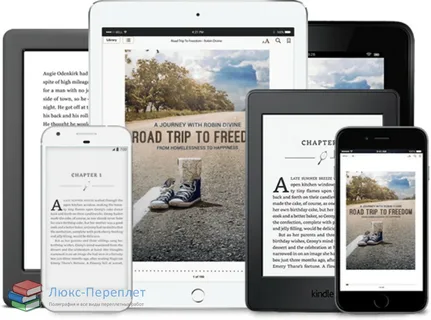
eBook formatting means preparing a book for digital reading devices such as Kindle, iPad, tablets, and smartphones. eBooks are flexible, meaning the text adjusts automatically to different screen sizes.
Key Features of eBook Formatting
- Text is reflowable and adjusts to screen size
- Fonts can be changed by the reader
- Page numbers are usually not fixed
- Images must be optimized for digital screens
Professional Book Formatting ensures that eBooks look clean and readable on all devices. Without proper formatting, eBooks can look messy, which hurts your reputation as an author.
Many writers working with the book publisher or offering Ghostwriting services also provide eBook formatting to meet market standards.
What Is Print Formatting?
Print formatting is used for physical books like paperbacks and hardcovers. Unlike eBooks, print books have fixed layouts.
Key Features of Print Formatting
- Fixed page sizes and margins
- Page numbers must be accurate
- Headers, footers, and spacing matter
- Images must be high resolution
Print formatting requires careful attention to book formatting design because once printed, mistakes cannot be fixed easily. This is why Proofreading is extremely important before printing.
Authors who choose Self-Publishing must often manage print formatting themselves or hire professionals.
Main Differences Between eBook and Print Formatting
Here is a clear comparison to help you understand better:
Layout and Structure
- eBook formatting is flexible
- Print formatting is fixed
Design Requirements
- eBooks focus on readability
- Print books focus on visual balance
Cost and Time
- eBook formatting is usually cheaper
- Print formatting takes more time and skill
Both formats require professional Book Formatting to ensure quality and credibility.
Why Formatting Matters for Authors
Formatting is not just about looks. It affects how readers experience your book and how seriously they take you as an author.
Benefits of Professional Formatting
- Builds trust with readers
- Supports Author Branding
- Improves reviews and sales
- Helps with Book Marketing Strategies
Many authors working with the book publisher understand that poor formatting can ruin even great content.
Role of Proofreading in Formatting
Formatting and Proofreading go hand in hand. Proofreading ensures that formatting errors, typos, and layout issues are fixed before publishing.
If you are wondering How to Become a Proofreader With No Experience, learning formatting basics is a good starting point. Proofreaders often catch spacing and layout issues that others miss.
For both eBook and print books, Proofreading is essential for professional results.
eBook and Print Formatting in Self-Publishing
When choosing Self-Publishing, authors must handle many tasks themselves.
These include:
- Writing or Ghostwriting
- Editing and Proofreading
- Book Formatting
- Book Cover Design
- Marketing and distribution
Many new writers ask: How to Get a Book Published? How Much Does it Cost to Self Publish a Book? The answer depends on services like formatting and design. eBook formatting usually costs less than print formatting.
Book Cover Design and Formatting
Book Cover Design is closely connected to formatting, especially for print books. Covers must match trim size, spine width, and bleed settings.
If you are curious about How to Become a Book Cover Designer and Build Your Portfolio, learning print formatting rules is very important. eBook covers are simpler, but print covers require technical accuracy.
Professional covers strengthen Author Branding and support long-term success.
Formatting and Author Branding
Formatting is part of your brand. Clean layout, readable text, and consistent design all contribute to Author Branding.
Readers expect:
- Professional formatting
- Easy navigation
- High-quality presentation
Strong branding supports Book Marketing Strategies and helps readers recognize your work across platforms.
Publishing Paths and Formatting Choices
Writers often ask How to Become a Published Author? The journey includes choosing between traditional publishing and Self-Publishing.
Traditional publishing with the book publisher usually includes formatting services. Self-published authors must arrange formatting themselves.
A helpful resource is The Book Publisher Guide, which explains publishing steps, costs, and formatting requirements.
Book Marketing and Formatting
Formatting plays a silent role in marketing. Poor formatting leads to negative reviews, which damage sales.
Good formatting:
- Improves reader experience
- Supports Book Marketing Strategies
- Increases recommendations
Even the best marketing cannot save a poorly formatted book.
eBook vs Print: Which One Should You Choose?
Many authors choose both formats.
eBook Is Best If:
- You want lower costs
- You target digital readers
- You publish quickly
Print Is Best If:
- You want bookstore presence
- You offer signed copies
- You build strong Author Branding
Both formats require professional Book Formatting and proper Proofreading.