







Introduction
The global B2B landscape is rapidly transforming as businesses embrace digital solutions to streamline trade. With E-commerce Wholesale Platform Development gaining momentum, enterprises are shifting from traditional distribution models to smart, automated, and scalable systems. These platforms not only bridge the gap between manufacturers, wholesalers, and retailers but also redefine how B2B transactions occur in a digital-first world.
What is an E-commerce Wholesale Platform?
An e-commerce wholesale platform is an online marketplace or digital space where businesses can purchase and sell products in bulk. Unlike traditional B2B trade, which may involve face-to-face meetings, phone orders, or manual paperwork, an e-commerce wholesale platform allows transactions to be made online, often in real time. These platforms provide features like:
- Bulk Ordering: Businesses can place large orders directly through the platform.
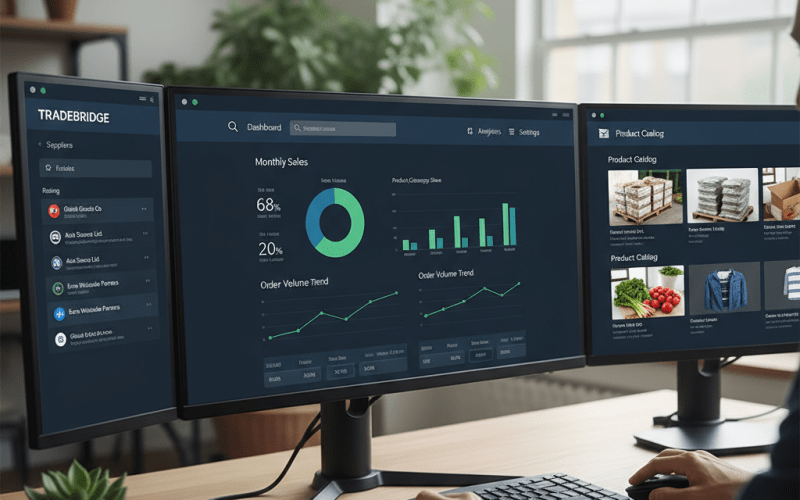
- Product Catalogs: Vendors list their products with detailed descriptions, prices, and availability.
- Payment Gateways: Secure payment methods for quick, reliable transactions.
- Shipping & Logistics: Integrated tools for managing delivery and inventory.
- Customer Support: Real-time assistance for buyers and sellers.
This streamlined process not only saves time and reduces human error but also opens up the potential for global trade. Whether you’re a small retailer looking to stock up or a large wholesaler looking to expand your reach, e-commerce wholesale platforms provide an efficient, user-friendly solution.
Understanding E-commerce Wholesale Platforms
An e-commerce wholesale platform is a digital marketplace that connects manufacturers, distributors, and retailers for bulk trade. Unlike consumer-focused B2C platforms, these platforms cater to high-volume transactions, negotiated pricing, and long-term business relationships.
E-commerce Wholesale Platform Development focuses on creating robust systems capable of managing inventory, complex order workflows, multiple pricing tiers, and secure payment gateways. The goal is to simplify operations while giving businesses real-time control over their supply chain.
Why Businesses Are Investing in E-commerce Wholesale Platform Development
The wholesale industry has traditionally relied on manual processes, limited reach, and outdated communication methods. However, with digital transformation, B2B businesses are turning to online wholesale marketplaces for several reasons:
- Global Reach: E-commerce platforms enable wholesalers to connect with global retailers and distributors, expanding their customer base beyond geographical boundaries.
- Automation of Operations: From inventory updates to order fulfillment, automation minimizes human errors and saves time.
- Data-Driven Insights: Businesses gain access to analytics for tracking customer behavior, product demand, and sales trends.
- Scalable Business Model: E-commerce wholesale solutions can easily adapt to growing demand without compromising on performance.
- Improved Customer Experience: Personalized pricing, instant reordering, and transparent transactions enhance the overall user experience.
Benefits of E-commerce Wholesale Platforms
E-commerce wholesale platforms offer several key benefits for businesses. One of the main advantages is convenience—businesses can access products, prices, and suppliers online at any time, without needing to be physically present. This flexibility saves time and makes it easier for companies to place orders quickly.
Another major benefit is the ability to compare different suppliers and products, helping businesses find the best deals and make more informed decisions. These platforms also streamline the ordering process by automating tasks like invoicing and payment processing, reducing errors and administrative work. Additionally, e-commerce platforms help businesses reach a global market, connecting suppliers and buyers from different countries, which opens up new opportunities for growth.
Role of E-commerce Wholesale Platforms in B2B Trade
E-commerce wholesale platforms play a critical role in modern B2B (business-to-business) trade by acting as a bridge between suppliers and buyers. These platforms provide a centralized place where businesses can list their products, while others can browse, order, and negotiate. They allow businesses to expand their reach beyond their local markets to a global audience.
By offering features like secure payment systems, product catalog management, and customer support, these platforms create a seamless experience for both buyers and sellers. Furthermore, they offer tools for tracking orders, managing inventory, and analyzing sales, helping businesses optimize their operations. In this way, e-commerce wholesale platforms support the growth and efficiency of B2B trade worldwide
Key Features of a Successful Wholesale E-commerce Platform
For an e-commerce wholesale marketplace to thrive, it must integrate essential features that cater to both suppliers and buyers:
- Advanced Product Catalog Management: Efficiently organize thousands of SKUs with filters, categories, and attributes.
- Tiered Pricing and Discounts: Allow dynamic pricing based on volume, order frequency, and customer type.
- Bulk Order Management: Simplify large-scale transactions through batch processing and quick reordering.
- Payment Gateway Integration: Offer secure and flexible payment methods including credit, invoices, and digital wallets.
- Multi-Vendor Functionality: Support various suppliers under a single platform for a diverse product range.
- Mobile-Friendly Interface: With mobile app development services, users can access wholesale marketplaces anytime, anywhere.
- Analytics and Reporting Tools: Provide insights into sales, customer preferences, and inventory levels.
The Role of Mobile App Development Services in B2B E-commerce
With the increasing dominance of mobile commerce, integrating mobile app development services has become essential for wholesale e-commerce growth. Mobile apps enhance accessibility, speed, and engagement by offering features like push notifications, real-time inventory updates, and one-click reordering.
Additionally, mobile apps improve communication between suppliers and retailers through in-app messaging, live chat support, and personalized notifications. A well-designed app ensures that B2B transactions are as seamless and efficient as B2C interactions, empowering wholesalers to stay competitive in the digital marketplace.
Technology Stack for E-commerce Wholesale Platform Development
Building a scalable and high-performing wholesale platform requires the right technology stack. Commonly used technologies include:
- Frontend: React.js, Angular, or Vue.js for interactive interfaces
- Backend: Node.js, Python (Django), or PHP (Laravel) for strong server-side logic
- Database: MySQL, MongoDB, or PostgreSQL for efficient data management
- Cloud Hosting: AWS, Google Cloud, or Azure for scalability and uptime
- Mobile App Development: Flutter, React Native, or Kotlin for cross-platform apps
- Payment Integration: Stripe, PayPal, or custom B2B invoicing systems
Each technology plays a crucial role in ensuring security, flexibility, and optimal performance for the wholesale ecosystem.
How Suffescom Helps Build Next-Generation Wholesale Platforms
Suffescom Solutions stands out as a leading provider of E-commerce Wholesale Platform Development. With years of expertise in creating tailored digital solutions, Suffescom specializes in building platforms that meet the complex needs of B2B trade.
Their team offers end-to-end mobile app development services, UI/UX design, API integration, and custom feature development. Suffescom ensures scalability, robust performance, and user-friendly designs to help businesses transition smoothly into the digital wholesale landscape. Whether it’s creating a multi-vendor platform or integrating AI-driven analytics, Suffescom delivers solutions that foster long-term growth.
Challenges in E-commerce Wholesale Platform Development
While there are many benefits to adopting e-commerce in the wholesale space, there are some challenges that businesses should consider:
1. Technology and Infrastructure Costs
Building a sophisticated e-commerce platform requires a significant investment in technology, software development, and infrastructure. For small and medium-sized enterprises (SMEs), these upfront costs can be a barrier to entry. However, as more businesses move online, the costs of building and maintaining these platforms will likely decrease over time.
2. Security Concerns
Despite the security advantages offered by blockchain and encryption technologies, online transactions can still be vulnerable to cyber-attacks. Businesses must ensure that their e-commerce platforms are equipped with the latest security features to protect sensitive information, such as customer data and financial transactions.
3. Supply Chain and Logistics Management
As B2B transactions become more global, managing shipping and logistics can become more complex. It’s important for businesses to have efficient supply chain management systems in place to handle the increased volume of orders and ensure timely deliveries.
Future Trends in Wholesale E-commerce Platforms
- AI-Powered Analytics: AI will enhance demand forecasting, pricing optimization, and customer personalization.
- Blockchain Integration: Transparent and secure transactions will improve trust in cross-border trade.
- Augmented Reality (AR): AR-based product visualization will improve the buyer’s decision-making process.
- IoT in Supply Chain: Real-time tracking and automated stock replenishment will streamline logistics.
- Sustainable Commerce: Eco-friendly operations and green logistics will attract modern B2B buyers.
These innovations are setting the stage for a smarter, data-driven, and globally connected wholesale industry.
Conclusion
E-commerce Wholesale Platform Development is shaping the future of B2B trade by providing a digital ecosystem that simplifies transactions, enhances collaboration, and promotes global business growth. With the help of advanced mobile app development services and experienced partners like Suffescom Solutions, businesses can build scalable, efficient, and profitable wholesale platforms. The future of B2B commerce lies in embracing digital innovation—and now is the perfect time to invest in it.
Frequently Asked Questions (FAQs)
Q1. What is E-commerce Wholesale Platform Development?
It is the process of creating an online platform that facilitates large-scale trade between wholesalers, manufacturers, and retailers.
Q2. Why do B2B businesses need a wholesale platform?
It streamlines operations, expands market reach, and automates sales processes, helping businesses grow efficiently.
Q3. How do mobile app development services enhance B2B platforms?
Mobile apps make B2B transactions more accessible, enabling users to manage orders, track inventory, and communicate from anywhere.
Q4. What features are essential in a wholesale e-commerce platform?
Bulk order management, tiered pricing, inventory tracking, payment integration, and real-time analytics are key features.
Q5. How can Suffescom help with E-commerce Wholesale Platform Development?
Suffescom Solutions offers comprehensive development services, including web and mobile app solutions, customization, and integration to build scalable wholesale platforms tailored to your business needs.