



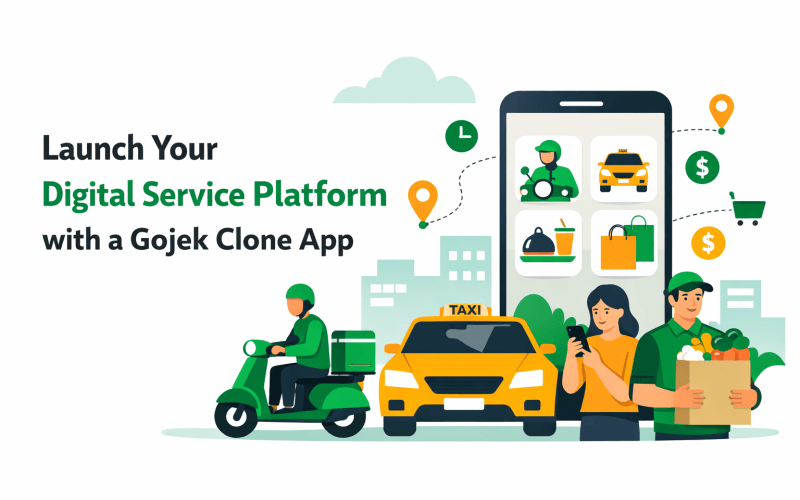
In our fast-paced world, convenience is the ultimate currency. Multi-service platforms are changing how we live by putting every imaginable service at our fingertips. The Gojek Clone App stands out as a “Super-App” solution. It allows entrepreneurs to enter a booming market by offering everything from rides to food in one place.
Instead of downloading ten different apps, users want one reliable partner. For a business owner, this means multiple revenue streams and higher customer retention. If you can solve five problems for a customer instead of one, you become indispensable.
Understanding the “Swiss Army Knife” of Apps
Think of a Gojek Clone as a digital Swiss Army knife. It is a single framework packed with diverse tools. One minute, a user is booking a car; the next, they are ordering a grocery delivery or hiring a plumber.
Features That Keep Users Hooked
Engagement doesn’t happen by accident. You need specific “sticky” features to succeed:
-
Real-Time Tracking: Users want to see their pizza or their driver moving on a map in real-time.
-
Seamless Payments: Integrating digital wallets and credit cards makes the checkout process frictionless.
-
Loyalty Programs: Everyone loves a “buy ten, get one free” deal. Points systems turn casual users into brand advocates.
-
Two-Way Ratings: High accountability ensures quality. When drivers and customers rate each other, the community remains respectful and safe.
The Power of the Clone Model
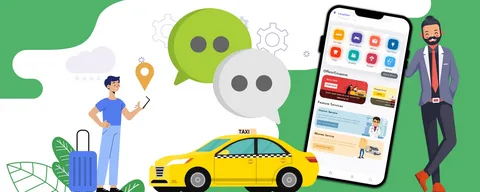
Why reinvent the wheel? Using a clone model gives you a proven blueprint. You save months of development time and thousands of dollars in research. It allows you to skip the “trial and error” phase and move straight to the “growth and profit” phase. You get a professional foundation that you can then skin and customize to reflect your unique brand voice.
Analyzing the Market: Where is the Opportunity?
You cannot build a house without checking the ground first. The digital service industry is currently exploding. People no longer view home delivery as a luxury; they view it as a necessity.
Knowing Your Audience
Your primary users are likely busy professionals and tech-savvy students. These people value time more than money. They are often juggling tight work schedules and personal lives. If your app saves them 20 minutes a day, you have won their loyalty.
Finding the Gaps
The “dance floor” of digital services is crowded, but many players are clumsy. Look for what they are missing. Perhaps your competitors have poor customer support, or maybe they don’t offer eco-friendly vehicle options. These gaps are your golden tickets to market share.
Technical Foundations: How to Build It Right
Launching a platform requires a mix of strategy and technical “secret sauce.” You need to treat your app like a high-performance engine.
Choosing Your Tech Stack
Your technology stack is the backbone of your business. If the backend is weak, the app will crash during peak lunch hours. You need a scalable architecture. This means your app should work just as well with 10,000 users as it does with 10 users. Use robust frameworks that allow for easy updates as your business grows.
Team Building: In-House vs. Outsourcing
You have a big decision to make regarding your “Dream Team.”
-
In-House: You have total control and daily face-to-face collaboration. This is great for long-term vision but is often very expensive.
-
Outsourcing: You hire seasoned experts to build the app for a fixed cost. This is usually faster and more budget-friendly for startups.
Most successful founders start with a lean, outsourced team and bring core roles in-house once the revenue starts flowing.
Personalizing the Experience: Customization is King
A “Clone” should never look like a copy. To win locally, you must customize.
Localizing Features
What works in New York might fail in Jakarta. You must adapt to local payment habits. If your target city prefers cash or a specific local e-wallet, integrate it immediately. Listen to your community. If they want a specific service—like “on-demand dog walking”—add it!
UX/UI: The “Welcome Mat”
Your user interface (UI) should be like a clean, well-lit store. If the design is cluttered, users will leave. Keep navigation intuitive. A user should be able to book a service in three taps or less.
How to Make Money: Monetization Strategies
A great app is only a business if it generates cash. You have three primary ways to fill your coffers:
-
Subscribers vs. Pay-Per-Use: Subscription models create “sticky” revenue. Users pay a monthly fee for free deliveries or discounts. Pay-per-use is great for casual users who only need you occasionally.
-
Advertising: Your app is prime digital real estate. Local businesses will pay to show up at the top of your search results.
-
Premium Features: Offer the basics for free, but charge for “VIP” perks. This could include priority scheduling or access to “Pro” rated service providers.
Marketing: Making Your App the Talk of the Town
You can build the best app in the world, but if no one knows it exists, it will fail.
Identity and Social Proof
Build a brand that feels human. Use colors and language that make people feel safe and excited. Don’t just post ads; tell stories. Partner with local influencers who actually use your services. When a trusted local figure uses your app to order lunch, their followers will too.
The SEO Long Game
Don’t ignore the power of search engines. Write helpful blog posts about local life or “top 10 hacks for busy parents.” This drives organic traffic to your site and positions you as an expert in your city.
Safety and Security: The Non-Negotiables
Trust is the hardest thing to build and the easiest to lose. One data breach can destroy your reputation overnight.
Security Protocols
Think of security as your app’s bouncer. Use high-level encryption for all personal data. Conduct regular “stress tests” to find vulnerabilities before hackers do. Always be transparent about how you use data. If users feel like you are “snooping,” they will delete your app.
Legal Compliance
Every region has different rules for gig-economy apps. Do your homework on labor laws and data protection (like GDPR). It isn’t the most exciting part of the job, but it keeps the lights on and the lawyers away.
The Future: AI and Beyond
The industry is moving toward total automation. We are already seeing AI-driven chatbots that can solve customer complaints in seconds. In the near future, predictive algorithms will suggest services to users before they even realize they need them. For example, if the app knows you order pizza every Friday at 7 PM, it might send you a discount notification at 6:45 PM.
Final Thoughts
Launching a Gojek Clone is an incredible journey. It combines technical skill with human empathy. By solving real-world problems through a single, easy-to-use interface, you aren’t just building an app—you’re building a community hub. The market is ready; the tools are available. Now, it’s time for you to take that first step and turn your vision into a digital reality.