






The rapid expansion of the digital landscape has fundamentally rewritten the rules of commerce. Traditional promotion is no longer the primary driver of growth; instead, businesses now navigate a sophisticated world of online platforms, smart automation, and data-centric strategies. As global connectivity deepens, digital marketing has transitioned from a modern advantage to an absolute operational necessity for any organization aiming to remain relevant.
Defining the Core of Digital Marketing
At its most fundamental level, digital marketing encompasses every promotional effort that leverages an electronic device or the internet. This broad spectrum includes diverse channels such as search engines, social media, email, and proprietary websites.
Unlike traditional mediums—such as billboards or print ads—digital strategies facilitate a two-way dialogue. This direct interaction allows brands to move away from generic broadcasting and toward personalized communication. By understanding specific customer pain points in real time, companies can craft campaigns that resonate on a deeper, more individual level.
How Digitalization Reinvents the Marketing Funnel
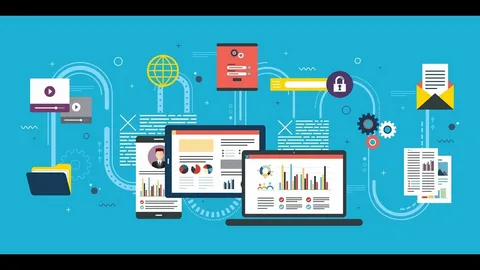
The shift from analog to digital has moved the industry toward a more customer-centric model. In the past, marketing was a linear, one-sided push. Today, it is an interactive loop where consumer feedback directly influences product development and brand identity.
1. The Death of One-Way Communication
Digitalization has democratized the brand-consumer relationship. Through social platforms and review sites, customers now have a voice that can influence thousands of other potential buyers. Smart businesses treat this feedback as free consultancy, using it to refine their offerings and foster long-term brand loyalty.
2. The Power of Data-Driven Insights
Perhaps the most significant gift of the digital age is the accessibility of granular data. Marketers no longer have to guess which half of their advertising budget is working. Real-time analytics provide immediate visibility into user behavior, click-through rates, and conversion metrics. This level of transparency allows for “agile marketing,” where strategies are adjusted on the fly to maximize return on investment (ROI).
Strategic Advantages of an Online Presence
The transition to internet-based promotion offers several mechanical advantages that traditional methods simply cannot match:
-
Global Scalability: A small boutique in a rural town can now compete for customers in London, New York, or Tokyo. The internet removes geographical barriers, providing a level playing field for growth.
-
Cost-Efficiency and Flexibility: Digital campaigns are highly scalable. A startup can launch a targeted social media ad for the price of a coffee and scale that budget only after seeing proven results.
-
Enhanced Precision Targeting: Traditional ads are “spray and pray.” Digital ads, however, allow you to target specific demographics, interests, and even past purchasing behaviors, ensuring your message reaches the most relevant eyes.
The Pillar of Social Media Engagement
Social media is the heartbeat of modern digital strategy. With billions of active users across platforms like Instagram, LinkedIn, and X (formerly Twitter), these channels offer an unparalleled opportunity for brand discovery.
Success in social media marketing isn’t just about posting frequently; it is about providing consistent value. Content must be informative, entertaining, or problem-solving. When a brand moves beyond “selling” and starts “helping,” it builds a foundation of trust that naturally leads to increased sales and high retention rates.
Essential Modern Marketing Strategies
To build a robust digital footprint, businesses typically employ a mix of the following core disciplines:
| Strategy | Primary Function | Long-Term Benefit |
| SEO | Optimizing website structure and keywords for search engines. | Drives “free” organic traffic and builds authority. |
| Content Marketing | Creating valuable blogs, videos, and infographics. | Establishes the brand as a thought leader and solves user problems. |
| Email Marketing | Sending direct, personalized messages to a subscriber list. | One of the highest ROI methods for nurturing leads. |
| PPC Advertising | Paying for top-tier placement on search results or feeds. | Generates immediate traffic and measurable sales data. |
Navigating Contemporary Challenges
Despite the massive potential, the digital space is increasingly crowded. High competition means that standing out requires more than just a presence; it requires a unique brand voice. Additionally, the rapid pace of algorithmic changes—where platforms like Google or Facebook update their ranking systems—demands that marketers remain perpetual students of the industry. Managing a multi-channel strategy also requires meticulous planning to ensure the brand message remains consistent across all touchpoints.
The Future: AI and the Next Frontier
As we look toward the horizon, the marriage of marketing and technology is only becoming more intimate. Artificial Intelligence (AI) is now being used to predict customer needs before the customer even realizes them. Automation handles the repetitive tasks of scheduling and data entry, freeing up human creators to focus on high-level strategy and storytelling.
Furthermore, the rise of Voice Search and Mobile-First browsing means that content must be more conversational and accessible than ever before. Personalization is no longer a luxury; it is an expectation. Customers want to feel seen, heard, and understood by the brands they support.
Actionable Steps for Success
To thrive in this digital-first environment, businesses must prioritize three things:
-
Audience Research: Deeply understand who you are talking to before you start typing.
-
Value-First Content: Focus on solving a problem for your user rather than just promoting a feature.
-
Iterative Analysis: Use your data. Study what didn’t work just as closely as what did, and use those lessons to sharpen your next campaign.
Conclusion
The transformation of marketing is a reflection of our wider cultural shift toward a more connected, digital life. For modern businesses, adopting these strategies is the only path to sustainable growth. By leveraging the power of SEO, the engagement of social media, and the precision of data analytics, brands can build a presence that is not just visible, but truly impactful. Those who embrace this evolution today are setting the stage for a dominant market position tomorrow.
Frequently Asked Questions
What is the ultimate objective of digital marketing?
The primary goal is to foster brand awareness, engage a specific target audience, and ultimately drive conversions and sales through digital channels.
Can a small business compete with big corporations online?
Absolutely. Because digital marketing allows for hyper-local and niche targeting, small businesses can often out-maneuver larger competitors who take a more generalized approach.
How do I know which digital channel to use?
The “best” channel is wherever your specific audience spends their time. A B2B software company might find success on LinkedIn, while a fashion brand might thrive on Instagram or TikTok.