




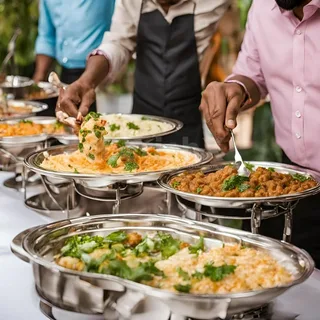
Today, hosts want something more personal—gatherings where food feels curated, thoughtful, and tailored to every guest. That is where micro-catering steps in, redefining intimate dining for home parties, private celebrations, and boutique events.

What Is Micro-Catering?
Freshly prepared, small-batch dishes
Customized menus based on preference, theme, and occasion
close attention to presentation and plating
Minimal waste and maximum flavor
It’s perfect for anyone who wants great food without the stress of full event catering.
Why Delhi Loves Micro-Catered Meals
Exploring the Benefits of Micro-Catering
Why Micro-Catering is Gaining Popularity in Delhi
Delhiites have always been passionate about food, and micro-catering satisfies that appetite with precision. The recent demand has emerged from a few key trends:
Personalization Over Mass Production
Home Gatherings Are On The Rise
Family dinners, anniversaries at home, terrace brunches, and apartment clubhouse parties now matter as much as grand weddings.
Quality Becomes the Priority
Micro-caterers focus on fresh ingredients, a limited crowd, and chef supervision, which means no stale food or repetitive dishes.
Popular Micro-Catering Ideas in Delhi
Chef-Special Tasting Menus
Multi-course meals with curated starters, main plates, and desserts served like a fine-dining restaurant.
Regional Comfort Food Stations
Kashmiri yakhni, Banarasi chaat, Old Delhi kebabs, and Amritsari kulcha counters win every heart.
Live Cooking Experiences
Teppanyaki pan, tandoor station, momo cart, pasta bar, sushi rolls, and taco corners add theatre to dining.
Mini Dessert Bars
Bite-sized mithai, mousse shots, cheesecake jars, brownies, and paan innovations are guest magnets.
Fusion Grazing Tables
The Micro-Catering Advantage
Perfect Portions
Every dish is measured and served fresh, eliminating wastage and ensuring every plate looks beautiful.
Direct Chef Interaction
Speak directly with the chef for recommendations, tasting sessions, and menu tailoring.
- Flexible Service Styles
- Butler service
- Sit-down courses
- Party platters
- Self-serve mini-buffets
- Ideal for Any Intimate Event
- Housewarming
- Baby shower
- Birthday dinner
- Corporate office party
- Pre-wedding ritual gatherings
- Weekend get-togethers
- Planning a Micro-Catered Party in Delhi
Here’s a quick guide to make it seamless:
1. Decide Your Guest Count First
Micro-catering works best when you plan realistically—20, 40, or 60 guests.
2. Select 6–12 Core Dishes
Quality over quantity ensures every dish stands out.
3. Include a Balance of Flavors
One cheese appetizer, one kebab, one light salad, one gravy dish, one carbohydrate, and one sweet is a winning start.
4. Keep Live Items Limited
One or two live counters prevent crowding and serve quickly.
5. Mind Dietary Requirements
Ask in advance if guests need:
Vegan | Gluten-free | No onion/no garlic | Low-oil | Nut-free
6. Add a Signature Highlight
A single unforgettable dish—like truffle kulcha, smoked dal, Thai curry bowls, or chocolate paan—creates a lasting memory.
Conclusion
Top Catering Services in Delhi is more than food; it’s an experience. It celebrates closeness, attention to detail, and the joy of well-planned meals shared with people who matter.
Whether you’re hosting a cozy family dinner or a stylish home celebration, micro-catering ensures perfect flavors, zero stress, and maximum delight.
Planning food for a group of 100 people can feel overwhelming, especially when you’re trying to estimate costs. The total amount you’ll spend depends on several factors—menu choices, location, catering vs. DIY, ingredients, and serving style.
Key Factors Influencing Cost
Your final cost will be determined by three main decisions: the Food, the Service, and the Location.
1. The Menu (The Food)
Cuisine Type: Simple menus using staple ingredients (like pasta, tacos, or basic BBQ) are far cheaper than menus featuring high-end cuts of meat, fresh seafood, or complex international cuisines.
Vegetarian options are almost always the most budget-friendly, while premium Non-Vegetarian or Multi-Cuisine options (e.g., Continental, Asian) increase the cost significantly.
Quality of Ingredients: Organic, gourmet, or specialty items will push the per-person price higher.
Number of Courses/Options: A multi-course meal (appetizer, main, dessert) is more expensive than a one-plate serving. Adding extras like live cooking stations (e.g., pasta bar, sushi) or a complex dessert bar also increases the total bill.
2. The Service Style (The Labor)
The way the food is served often has a greater impact on cost than the food itself, as it dictates the required staff, equipment, and presentation.
DIY / Self-Service: The cheapest option, as there are virtually no labor costs. This is often limited to informal gatherings.
Buffet Style: Guests serve themselves, requiring fewer servers and less complex table settings. This is the most cost-efficient catered service, usually averaging $25 to $50 per person.
Plated (Sit-Down) Service: A formal and high-end option. It requires a much larger team of trained servers to deliver and bus the food, leading to the highest cost, often starting at $75 per person and going up from there.
3. Location and Extras (The Overhead)
Venue and Location: Catering in major metropolitan areas (e.g., New York, London, Delhi) is typically more expensive due to higher operating costs. Some venues may also charge a “kitchen fee” or limit you to an in-house caterer.
Rentals: If the caterer must supply everything from tables and chairs to linens, cutlery, glassware, and serving equipment, these costs add up quickly.
Beverage Service: Average Service: A cash bar, open bar, or dedicated coffee/tea service can readily increase costs by $5 to $40 per individual
Caterer Reputation: Highly reputable or luxury catering companies will charge a premium over smaller, local vendors.
Hidden Fees: Always check whether the quote includes gratuity, sales tax, delivery/setup fees, and cake-cutting charges to avoid surprises on the final bill.
If you are looking for a low-cost option, planning a simple, self-catered menu like a large soup, salad, and sandwich spread or a Taco Bar, and asking for an RSVP to accurately control portions, will yield the best results.
Would you like me to find the estimated cost range for a specific type of food or event (e.g., a wedding buffet or a corporate lunch)?
How Much Does a Buffet Cost for 100 People?
Planning food for a large event usually begins with one big question: “How much will catering cost?” The price of buffet-style service for 100 guests varies greatly depending on the menu, location, and service level. Here’s a simple breakdown to help you create a realistic budget.
The Average Buffet Cost for 100 People
Most events will cost between $1,500 and $4,500 for a buffet of 100 guests. This comes out to about $15-$45 per person. Basic menus are on the low end of the spectrum, whereas premium buffets with multiple entrée options, carving stations, or specialty dishes are on the high end.
Key Factors Affecting Buffet Prices
The menu, service level, and location have the greatest impact on your overall cost.
1. Menu selection and quality.
This is the single greatest factor. More expensive ingredients and a wider range of dishes will raise the price.
Cuisine: A simple menu featuring traditional or local cuisine is typically less expensive than a multi-cuisine, gourmet, or specialty menu.
Protein Choice: Chicken and pasta dishes are typically less expensive than beef, lamb, or seafood dishes. Buffets typically serve 1-2 servings of protein per guest.
Menu Complexity: Including “live action stations” (e.g., a carving station, custom pasta bar, or elaborate dessert bar) significantly increases the cost due to additional staff, equipment, and high-quality ingredients.
2. Services and Staffing
A buffet is still considered a catering event and requires labor, which is included in the per-person price.
Level of Service: The cheapest option is a drop-off or self-serve buffet (where the caterer only delivers and sets up the food). A full-service buffet, which includes catering staff to replenish dishes, clear plates, and manage the flow, is more expensive.
Chafing dishes, linens, tables, chairs, plates, and flatware are not always included in the rental price. If you need to rent these separately, set aside an extra $2 to $6 per person for supplies.
3. Location and venue
Catering prices vary greatly by region, with major metropolitan areas typically costing more than smaller towns.
Geographic Location: Prices in major cities such as New York, London, and Mumbai tend to be higher than in suburban or rural areas.
Venue Rules: Some venues require an approved vendor list or charge an additional fee to outside caterers, which can be passed on to you.
4. Beverages and extras
Basic non-alcoholic beverages (water, soft drinks, tea/coffee) are frequently included in the base buffet price.
Alcohol Service: Including an open bar or any alcohol package will significantly increase the cost, potentially by $15 to $40 per person.
Desserts: A simple dessert selection may be included, but custom cakes, extensive pastry trays, or ice cream stations are typically an additional cost.
Tips for Getting an Accurate Quote.
To obtain the most accurate estimate for your event, you should contact caterers with the following information prepared:
Exact Headcount: Indicate that the count is for 100 individuals.
Date and Time: Include the date and whether the meal is for lunch or dinner, as dinner services are typically more expensive.
Desired Menu: Tell us about your preferred cuisine and how many entrees, sides, and appetizers you want.
Service Needs: Make it clear what is included in the per-person price (e.g., food, service staff, plates, silverware, and non-alcoholic beverages).
Would you like me to look for caterers in a specific city to get you a more accurate estimate?