






The blockchain world has always promised a future where individuals control their own data, assets, and digital interactions. Yet for years, that vision felt more like an ideal than a reality. As the industry matures, one innovation is emerging as a genuine turning point: decentralized identity. This concept is quietly becoming one of the most influential forces shaping how people interact with digital ecosystems, from financial platforms to social networks.
While many investors still spend their time scanning lists of top crypto presale opportunities, a growing number are beginning to recognize that decentralized identity may be just as transformative as any token launch. It represents a shift from speculation to infrastructure the kind of foundational change that can redefine how blockchain integrates with everyday life.
Why Decentralized Identity Matters?
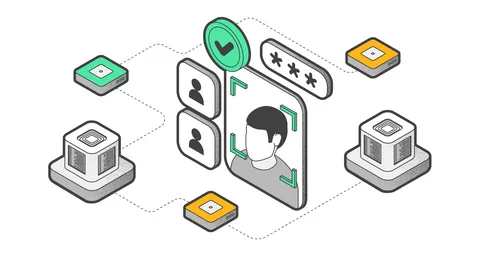
At its core, decentralized identity (DID) gives individuals ownership of their personal information. Instead of relying on centralized platforms to store and verify identity data, users hold their credentials in secure, self‑managed wallets. This approach reduces reliance on third‑party intermediaries and minimizes the risks associated with data breaches.
A DID system typically uses blockchain as a trust layer, ensuring that identity records are verifiable without exposing sensitive information. This balance of privacy and transparency is one of the reasons governments, enterprises, and developers are exploring DID frameworks.
The Problem With Traditional Identity Systems
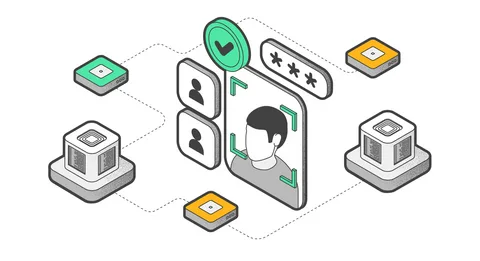
Traditional identity systems rely heavily on centralized databases. Banks, social platforms, and government agencies each maintain their own repositories of user information. This creates several issues:
-
Security weaknesses: Centralized databases attract hackers as prime targets
- Data fragmentation: Users must repeatedly verify themselves across platforms.
- Limited control: Individuals rarely know how their data is stored, shared, or monetized.
- Inefficiency: Verification processes are slow, costly, and often redundant.
Decentralized identity aims to solve these problems by giving users a single, portable identity that can be used across multiple platforms.
How Decentralized Identity Works?
A DID system typically involves three components:
- Identity wallets: Where users store their credentials.
- Verifiable credentials: Digitally signed proofs issued by trusted entities.
- Decentralized identifiers: Unique identifiers anchored on a blockchain.
When a user needs to prove something — age, citizenship, membership, qualifications — they can share only the necessary information, not the entire document. This concept, known as selective disclosure, is a major leap forward for privacy.
Real‑World Use Cases Gaining Momentum
Decentralized identity isn’t just theoretical. It’s already being implemented across industries:
1. Financial Services
Banks and fintech platforms are exploring DID to streamline KYC processes. Instead of submitting documents repeatedly, users can verify once and reuse their credentials anywhere.
2. Healthcare
Hospitals can issue verifiable medical credentials, allowing patients to share health data securely with specialists or insurance providers.
3. Education
Universities can issue digital diplomas that employers can instantly verify, reducing fraud and administrative delays.
4. Web3 Platforms
Decentralized apps can use DID to authenticate users without storing personal data, improving both privacy and security.
5. Government Services
Countries like Estonia and Singapore are experimenting with blockchain‑based identity systems to modernize public services.
Why DID Is Becoming Essential for Web3?
As blockchain ecosystems expand, identity becomes a critical missing piece. Without reliable identity systems, platforms struggle with:
- Sybil attacks
- Fake accounts
- Fraudulent transactions
- Regulatory compliance challenges
Decentralized identity offers a solution that aligns with the ethos of Web3: user control, transparency, and decentralization.
The Role of Zero‑Knowledge Proofs
One of the most exciting technologies powering DID is the zero‑knowledge proof. This cryptographic method allows users to prove something is true without revealing the underlying data.
For example, you can prove you’re over 18 without sharing your birthdate. This level of privacy is impossible with traditional identity systems.
Challenges Slowing Down Adoption
Despite its promise, decentralized identity faces several hurdles:
- Lack of standardization: Competing frameworks make interoperability difficult.
- User experience issues: Managing identity wallets can be confusing for newcomers.
- Regulatory uncertainty: Governments are still figuring out how to treat decentralized credentials.
- Limited awareness: Many users don’t yet understand the value of DID.
These challenges are real, but they’re also solvable. As more institutions adopt DID, standards will emerge and user interfaces will improve.
The Intersection of DID and Digital Assets
Decentralized identity is becoming increasingly important in the world of digital assets. Tokenized real estate, blockchain‑based securities, and decentralized finance platforms all require reliable identity verification to operate legally and securely.
DID can enable:
- Permissioned DeFi platforms
- Tokenized asset ownership
- Secure NFT provenance
- Cross‑platform identity portability
This integration could unlock new levels of trust and efficiency across the entire blockchain ecosystem.
How DID Could Transform Everyday Life?
Imagine a future where:
- You sign into apps without passwords
- You verify your identity instantly anywhere in the world
-
You determine precisely who can view your data and at what time
- You can revoke access at any time
- Your identity is portable across all digital platforms
This isn’t science fiction — it’s the direction the industry is heading.
What Investors Should Pay Attention To?
For investors exploring the blockchain space, decentralized identity represents a long‑term infrastructure play. Instead of chasing short‑term hype cycles, DID offers exposure to a foundational technology that will underpin countless future applications.
Key areas to watch include:
- DID‑enabled wallets
- Identity‑focused blockchain networks
- Zero‑knowledge proof platforms
- Enterprise adoption of verifiable credentials
- Government‑backed digital identity initiatives
These sectors may become some of the most influential in the next decade of blockchain innovation.
Final Thoughts
As blockchain adoption accelerates, DID will likely become one of the most important building blocks of the new digital economy. Whether you’re an investor, developer, or everyday user, understanding decentralized identity today means being prepared for the future of online interaction.