


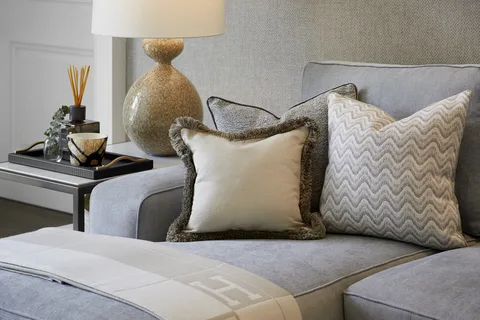
Cushions play an important role in interior design. They add comfort, color, and texture while enhancing the overall style of a room. Today, homeowners use cushion not only for relaxation but also as decorative elements that transform sofas, beds, and seating areas. In modern interiors, especially within the house design of Pakistan, cushion help create warm and inviting spaces.
Moreover, designers use cushions to introduce patterns and highlight furniture without making permanent changes. Therefore, understanding different kinds of cushions and their forms allows homeowners to style rooms more creatively.
Importance of Cushion in Interior Styling
Cushions improve both comfort and aesthetics. For example, they support posture while sitting and soften the look of rigid furniture. Additionally, they allow homeowners to experiment with seasonal décor by changing covers instead of replacing furniture.
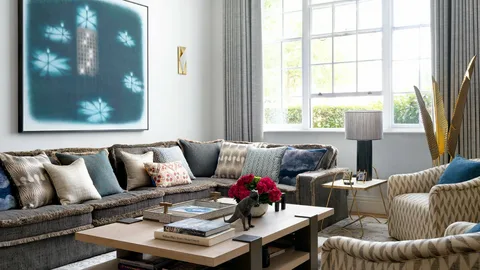
Furthermore, cushions create visual layers. Designers combine different sizes, shapes, and fabrics to build depth in living rooms and bedrooms. Consequently, cushions become essential styling tools in modern homes.
Kinds of Cushion
Square Cushion
Square cushion remain the most common option. They fit perfectly on sofas, beds, and chairs while providing balanced support. Because of their versatility, homeowners use them as the base layer in cushion arrangements.
Moreover, square cushion come in endless fabrics and patterns. This adaptability renders them appropriate for both classic and modern interiors.
Rectangular Cushion
Rectangular cushion, often called lumbar cushion, provide back support. Designers place them in front of square cushions to create a layered look. Additionally, they help maintain proper posture while sitting.
As a result, rectangular cushion work well in living rooms, bedrooms, and reading corners.
Floor Cushion
Floor cushions create relaxed seating areas. They are larger and thicker, which allows people to sit comfortably on the floor. In Pakistani homes, floor seating remains popular for gatherings and casual spaces.
Furthermore, floor cushions add warmth and cultural character. They work beautifully in lounges, terraces, and informal living rooms.
Bolster Cushion
Bolster cushion feature a cylindrical shape. They provide arm or neck support and add elegance to beds and sofas. Designers often use them as accent pieces to complete a cushion arrangement.
Because of their unique form, bolster cushion introduce variety and visual interest.
Outdoor Cushions
Outdoor cushions are designed for patios, balconies, and gardens. They use weather-resistant fabrics that withstand sunlight and moisture. Consequently, they maintain comfort while extending interior style to outdoor spaces.
As outdoor living becomes more popular, these cushions play a growing role in residential design.
Different Cushion Forms Design
Minimalist Cushion Design
Minimalist cushions focus on simple colors and clean patterns. Neutral tones such as beige, grey, and white create a calm atmosphere. Moreover, minimalist designs complement modern furniture and open layouts.
This style suits contemporary homes where subtle elegance matters.
Traditional Embroidered Design
Traditional cushion designs showcase embroidery, prints, and handcrafted details. These designs reflect cultural heritage and add character to interiors. In Pakistan, embroidered cushions often feature floral or geometric motifs.
Consequently, they blend tradition with modern living and enrich the house design of Pakistan.
Textured Cushion Design
Textured cushion use materials like velvet, knitted fabric, and tufted cotton. These textures add depth and create a cozy environment. Designers combine textured cushion with plain furniture to make spaces feel more inviting.
Furthermore, texture enhances visual contrast without overwhelming the design.
Printed Cushion Design
Printed cushion introduce patterns such as abstract art, stripes, or botanical themes. They allow homeowners to add personality to a room quickly. Additionally, printed designs help highlight color schemes.
Because they are easy to replace, printed cushion support flexible styling.
Luxury Cushion Design
Luxury cushion feature premium fabrics like silk, velvet, and leather accents. Designers use them to elevate formal living rooms and master bedrooms. Decorative details such as tassels, piping, and metallic threads enhance their appearance.
As a result, luxury cushions create a sophisticated and polished environment.
How to Arrange Cushions
Arranging cushions requires balance and creativity. First, homeowners should start with larger cushions at the back. Next, medium and smaller cushions can be layered in front. This approach creates depth and structure.
Additionally, mixing shapes improves visual appeal. For example, combining square cushion with rectangular and bolster cushion produces a dynamic arrangement. Color coordination also plays a key role. Designers often follow a theme that matches curtains, rugs, or wall colors.
Therefore, thoughtful arrangement transforms simple furniture into a stylish focal point.
Choosing the Right Cushion Materials
Material selection affects durability and comfort. Cotton cushion stay airy and simple to care for, whereas velvet cushions provide comfort and elegance. Similarly, linen provides a natural look that suits modern interiors.
For outdoor areas, water-resistant fabrics ensure long-term use. Consequently, homeowners should select materials based on usage, climate, and maintenance needs.
Role of Cushion in Modern Homes
Cushion help define the mood of a room. They introduce color, soften furniture, and enhance relaxation. Moreover, they allow homeowners to refresh interiors without major expenses.
In evolving residential trends, cushion support multi-functional living spaces. They create cozy seating, improve comfort, and add decorative charm. Because design preferences continue to change, cushion remain one of the most flexible styling elements.
Conclusion
Cushions are small details that make a big impact. From square and rectangular cushion to floor and bolster styles, each type serves a unique purpose. Similarly, different cushion forms — minimalist, traditional, textured, printed, and luxury — help shape the overall interior style.
Therefore, choosing the right cushion requires attention to size, material, and arrangement. As interior design continues to evolve, cushion remain essential for creating comfortable and visually appealing spaces. Ultimately, thoughtful cushion selection enhances everyday living and perfectly complements the growing trends in the house design of Pakistan.