




In the fast-paced digital world, on-demand Courier App Development have become a necessity for individuals and businesses alike. With the rise of eCommerce, logistics, and real-time delivery expectations, customers now demand faster and more transparent delivery services.
Developing a courier delivery app can be a game-changer for businesses that want to offer seamless, trackable, and efficient delivery experiences.
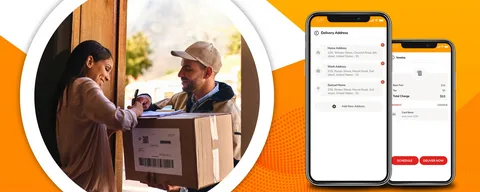
But how do you develop one? What features are essential? What is the cost to construct?
In this detailed guide, we’ll break down the features, process, and cost of courier delivery app development — and how CRM customization can make your courier service smarter, more organized, and customer-friendly.
Why Build a Courier Delivery App?
Before diving into the technical aspects, it’s essential to understand the why behind courier delivery app development. Traditional courier businesses often face challenges like:
-
Poor communication between dispatchers and drivers
-
Manual tracking and order management
-
Inefficient route planning
-
Delayed deliveries and lack of real-time updates
A courier delivery app solves these problems by offering automation, transparency, and customer satisfaction. With an app, users can book deliveries, track parcels in real-time, receive instant notifications, and make secure payments — all from one platform.
Types of Courier Delivery Apps
When you decide to develop a courier delivery app, it’s vital to determine what kind of delivery business model you’re building for. There are mainly three types:
1. Single Courier Delivery App
2. Aggregator Model
This connects multiple courier companies or drivers to customers — similar to Uber but for deliveries.
3. Enterprise-Level Delivery App
For large organizations like Amazon or DHL that manage thousands of deliveries daily with internal systems integration.
Each model comes with unique features and requirements, but the development process largely follows the same foundational steps.
Core Features of a Courier Delivery App
To create a successful and user-friendly courier delivery app, it must include essential features for three main panels — the customer, the courier (driver), and the admin.
1. Customer Panel Features
-
User Sign-Up & Access: Register using email, phone number, or social media profiles.
-
Package Booking: Users can schedule and manage delivery requests.
-
Real-Time Tracking: Live parcel tracking for transparency and assurance.
-
Payment Integration: Multiple options like cards, wallets, or UPI.
-
Push Notifications: Instant updates on delivery status or promotions.
-
Ratings & Reviews: Customers can rate their delivery experience.
2. Courier/Driver Panel Features
-
Delivery Requests: View and accept new delivery tasks.
-
Navigation & Route Optimization: Integrated GPS for efficient delivery routes.
-
Status Updates: Mark parcels as picked up, on the way, or delivered.
-
Income & Records: Monitor daily earnings and finished deliveries
3. Admin Panel Features
-
Dashboard Management: View real-time analytics of deliveries, users, and performance.
-
Driver Management: Add, remove, or assign drivers as needed.
-
Customer Support Tools: Handle complaints and queries quickly.
-
CRM Integration: Helps track customer interactions and improve retention.
How CRM Customization Boosts Courier App Efficiency
One of the most impactful ways to enhance your courier delivery business is by integrating CRM customization.
A Customer Relationship Management (CRM) system allows businesses to store and manage client information, track interactions, and automate communication. However, every courier business operates differently — that’s where customized CRM solutions come in.
Benefits of CRM Customization in Courier Delivery
-
Personalized Customer Communication: Automatically send delivery confirmations, feedback requests, or delay notifications.
-
Data Centralization: Manage customer, driver, and shipment data in one place.
-
Enhanced Customer Retention: CRM tools help you analyze client preferences and improve service quality.
-
Automated Workflows: Reduce manual data entry by syncing orders, tracking data, and invoices.
-
Performance Insights: Track delivery success rates and customer satisfaction scores.
If you’re building a courier delivery platform, investing in CRM customization can streamline every process — from booking to customer support — ensuring your system is scalable and efficient.
Steps to Develop a Courier Delivery App
Building a high-performance courier delivery app requires structured planning and execution. Let’s break it down:
Step 1: Market Research & Planning
Start with a detailed analysis of your target audience, competitors, and business model. Identify what customers expect and what your app can offer differently — faster deliveries, eco-friendly options, or better tracking.
Step 2: Choose the Right Platform
Step 3: UI/UX Design
The user interface must be easy to navigate and attractive to the eye. Maintain straightforward booking and tracking with easy navigation. A thoughtfully crafted UX can greatly enhance customer loyalty
Step 4: Backend Development
This is the core of your app — managing deliveries, storing data, and connecting users. Backend technologies like Node.js, Python, or Java are commonly used for scalable logistics apps.
Step 5: Integration of Key APIs
Add APIs for:
-
Real-time tracking (Google Maps or Mapbox)
-
Payment gateways (Stripe, PayPal, Razorpay)
-
SMS & Notification services
-
CRM systems for managing users efficiently
Step 6: Testing & Quality Assurance
Before launching, conduct rigorous testing — including performance, usability, and security tests. Make sure every feature, from login to delivery confirmation, works smoothly.
Step 7: Launch & Maintenance
Once tested, launch the app on Play Store or App Store. Regular updates, feedback collection, and feature upgrades are essential for long-term success.
Technology Stack for Courier App Development
A robust tech stack ensures scalability and performance. Here’s a suggested stack:
-
Frontend: React Native, Flutter, or Swift (for iOS)
-
Backend: Node.js, Python (Django), or Java (Spring Boot)
-
Database: MySQL, MongoDB, Firebase
-
Cloud Hosting: AWS, Google Cloud, or Azure
-
APIs: Google Maps API, Twilio, Firebase Cloud Messaging
Estimated Cost of Developing a Courier Delivery App
The development cost depends on complexity, design, and customization needs. On average:
-
Basic App: $10,000 – $20,000
-
Medium-Level App: $25,000 – $40,000
-
Advanced App (with CRM, AI, or automation): $50,000 – $100,000+
Factors that affect cost:
-
Number of features and integrations
-
Platform (Android, iOS, or both)
-
Level of CRM customization
-
UI/UX design complexity
-
Developer location and expertise
Hiring an experienced mobile app development company like MTOAG Technologies ensures you get a balance of quality, scalability, and cost-effectiveness.
Monetization Strategies for Your Courier App
To generate revenue, you can integrate multiple income streams:
-
Delivery Charges: Primary source of income per order.
-
Subscription Plans: Premium users get faster service or discounts.
-
Advertisements: Offer in-app ads for partner services.
-
API Partnerships: Let businesses integrate your delivery system into their platforms.
Future Trends in Courier Delivery Apps
The courier industry is rapidly evolving with technology. Some trends to watch out for:
-
AI and Machine Learning: Smart route optimization and demand prediction.
-
Drone Deliveries: Fast and cost-efficient last-mile delivery.
-
Green Logistics: Electric vehicles and carbon-neutral delivery initiatives.
-
Blockchain Tracking: Transparent and secure parcel tracking systems.
Integrating CRM customization alongside these modern technologies will future-proof your courier delivery app and ensure long-term business growth.
Conclusion
Developing a courier delivery app is more than just creating software — it’s about building an ecosystem that connects senders, couriers, and receivers efficiently. From essential features and seamless UI to advanced CRM systems, every element plays a crucial role in customer satisfaction.