






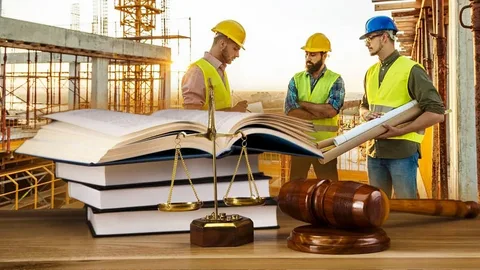
Construction projects, especially in the construction and real estate sectors, can sometimes lead to legal conflicts between contractors, clients and suppliers. When disagreements arise over contracts, payments or the quality of the project, legal guidance can be crucial. In such situations, a construction dispute litigation lawyer plays an important role in helping parties understand their rights and navigate the legal process. For both individuals and companies in Europe, it is important to know how construction litigation works, what legal options are available and how to protect your interests in a construction project.
What does construction law mean and why do disputes arise?
Construction law is a legal area that regulates the relationship between clients and contractors in construction projects. It encompasses everything from contract writing and project planning to the allocation of responsibilities and dispute resolution.
In Europe, construction projects are often regulated by clear contracts and standard agreements. Despite this, conflicts can arise for several reasons, such as:
- Disagreement about payments or invoices
- Delays in construction projects
- Quality problems in work performed
- Breach of contract between the parties
- Misunderstandings about the scope of the project
When such problems arise, legal advice can help analyze the situation and find a solution that is both fair and legally sustainable.
Common types of construction disputes
Construction disputes can vary depending on the size and complexity of the project. In many cases, the conflicts involve financial or contractual issues.
Payment disputes
One of the most common conflicts in construction projects concerns payment. The client may believe that the work does not meet agreed standards, while the contractor may claim that the work was performed correctly.
Project delays
Construction projects are often affected by factors such as weather conditions, material shortages, or scheduling issues. Delays in the project can lead to financial losses and legal disputes.
Quality-related problems
If the work does not meet the standard specified in the contract, the client may demand corrections or financial compensation.
Breach of contract
When a party fails to fulfill their contractual obligations, this can be considered a breach of contract, which often leads to a legal dispute.
In these situations, a Construction Dispute Lawyer can help analyze the contract, review evidence, and provide legal advice on next steps.
How does dispute resolution work in construction law?
When a conflict arises, there are several possible ways to resolve the problem. In many cases, the parties first try to reach an agreement without going to court.
Negotiation
The first and often most cost-effective solution is direct negotiation between the parties. Here, legal advisors can help reach a compromise.
Mediation
Mediation involves a neutral third party helping the parties find a solution. This is a popular method in many European countries because it can be quicker than a court process.
Arbitration
In larger construction projects, arbitration is sometimes used where one or more arbitrators make a binding decision.
Court process
If other methods fail, the dispute can be taken to court. This is often the last resort as the process can be both time-consuming and costly.
By working with a Construction Dispute Lawyer, the parties can better understand their legal options and choose the most effective strategy.
Your rights as a client or contractor
Both clients and contractors have clear rights under European contract law and construction legislation.
Right to clear agreements
A clear and detailed contract is the foundation for a successful construction project. It should include the project scope, timeframe, payment terms, and division of responsibilities.
Right to quality
The customer has the right to expect that the work will be carried out according to agreed standards and applicable building codes.
Right to payment
The contractor has the right to be paid for work performed according to the contract .
Right to a judicial review
If a conflict cannot be resolved through negotiation, both parties have the right to have the matter heard in court.
Understanding these rights is crucial to protecting your interests in a construction project.
How to prevent construction disputes
Many legal conflicts can be avoided through careful planning and clear communication.
Use clear contracts
A detailed contract reduces the risk of misunderstandings and legal conflicts.
Document the project
Save all contracts, invoices, emails, and other documents related to the project.
Communicate regularly
Regular communication between the parties can prevent small problems from developing into larger conflicts.
Seek legal advice in a timely manner
Consulting a legal expert at an early stage can often prevent costly legal proceedings later.
By taking these steps, both companies and individuals can reduce the risk of complex construction disputes.
Digital legal services in Europe
In today’s digital society, legal services are increasingly available online. Many lawyers and legal advisors now offer digital consultation, document review, and advice.
For companies and entrepreneurs in Europe, this means several advantages:
- Faster access to legal advice
- Ability to handle cases internationally
- Efficient online document management
- Cost-effective solutions
Digital legal services make it possible to get professional help regardless of geographical location.
Professional content for legal websites
For law firms and legal services companies, high-quality content is essential for online visibility. Informative and well-written articles not only help potential clients understand complex legal topics, but also improve your website’s visibility in search engines.
As I offer professional content services that are optimized for both search engines and readers. My focus is on creating articles that:
- Are strategically optimized for SEO
- Sounds natural and humanly written
- Builds trust with readers and clients
- Meets modern digital marketing requirements
Through AI-optimized yet authentic text, companies can improve their online visibility while offering valuable information to their visitors.
Important steps for handling construction disputes effectively
Construction disputes can become complicated if not handled properly from the start. Whether you are a contractor, client or business owner in the construction sector, it is important to understand the steps that can help you handle a conflict in a structured and professional manner.
The first step is always to carefully analyze the contract that underlies the project. A construction contract often contains details about the scope of the project, payment terms, schedule, and division of responsibilities. By reviewing these terms, you can quickly identify where the problem has arisen.
Another important step is to gather all relevant documentation. This can include invoices, contracts, email conversations, project reports, and photographs from the job site. Documentation is often crucial to proving a party’s claim in a legal dispute.
Summary
Contract disputes are a common challenge in the construction and real estate sectors. Conflicts can arise over payment, project delays, quality or breach of contract, and these situations can quickly become legally complex. By understanding their rights, working with clear contracts and seeking legal advice in a timely manner, both contractors and clients can manage conflicts more effectively.
In many cases, professional legal guidance can make a big difference in how a dispute develops and is resolved. An experienced Construction Dispute Attorney can help analyze contracts, represent clients, and find the best strategy for resolving conflicts within construction projects.