







Chronic venous insufficiency (CVI) is more than just a circulation issue; it is a disorder that can severely limit movement, exacerbate discomfort, and eventually eliminate a person’s capacity to work. For many people, understanding how CVI relates to Social Security Disability is critical to maintaining financial security while managing chronic medical demands. This tutorial explains how the Social Security Administration (SSA) examines CVI, what evidence is required, and how people in Texas typically develop successful disability claims.
Understanding chronic venous insufficiency.
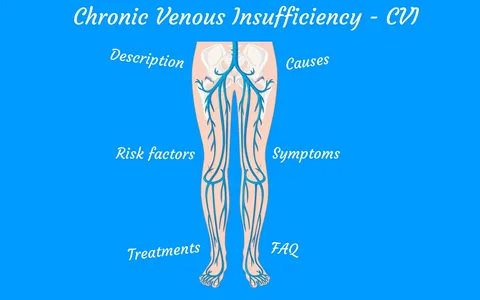
Chronic venous insufficiency develops when the veins in the legs can no longer efficiently return blood to the heart. When the valves that pump blood become weak or broken, blood pools, raising pressure in the lower limbs. Over time, this produces symptoms like:
- Severe leg swelling (edema).
- Constant ache, heaviness, cramping, or searing discomfort.
- Varicose Veins
- Stasis dermatitis with brownish skin discoloration
- Ulcers that do not heal quickly or are reoccurring
For many individuals—nurses, warehouse staff, teachers, truck drivers, retail workers, or anybody whose job includes lengthy periods of standing, walking, or sitting—CVI can make even simple tasks physically difficult. When symptoms worsen, the disorder can significantly impair mobility, making full-time job unrealistic.
The good news is that serious Chronic venous insufficiency is recognized by the SSA under List 4.11: Chronic Venous Underdevelopment of the Lower Extremity. Meeting the listing automatically qualifies an applicant for disability.
To satisfy Listing 4.11, medical documents must demonstrate:
Extensive brawny edema is characterized by hard, non-pitting swelling affecting two-thirds of one’s leg below the level of the knee or the bottom third of the lower extremity.
Choose one of the following:
- Superficial varicosities.
- Stasis dermatitis.
- Ulcers that do not heal after no less than three months of recommended medical treatment
When Doppler scans, wound-care notes, specialty records, and dated images clearly show these findings, the Social Security Administration should grant the claim without considering the applicant’s age, job experience, or education. This simplifies the process of completing the Social Security Disability evaluation for Chronic Venous Insufficiency.
Winning Disability Despite Not Meeting the Listing
Most patients with CVI do not fully meet all of the requirements outlined in Listing 4.11. However, many people still receive SSDI or SSI benefits by demonstrating that their functional limitations prevent them from working full-time. Common constraints that justify approval are:
- The need to lift legs above heart level for significant periods of time each day
- The inability to sit for an entire eight-hour workday without numerous breaks
- Doctor-documented limits demonstrate that the person can stand or walk for fewer than two hours total
- recurrent ulcers despite regular wound care, compression therapy, and vascular therapies
- Excessive absences due to frequent medical procedures and wound treatment visits
In some circumstances, the SSA may issue benefits based on a medical-vocational allowance, recognizing that the combination of symptoms and treatment requirements precludes competitive employment. Clear, consistent medical documentation is the foundation of a successful Chronic Venous Insufficiency Social Security Disability claim.
How to Improve a Chronic Venous Insufficiency Disability Claims in Texas
The quality and depth of medical evidence are frequently used to determine whether or not disability benefits are granted. Claimants can considerably enhance their odds by taking these steps:
1. Continue regular treatment with specialists
Visiting a vascular surgeon, wound-care specialist, or physician at prominent hospitals such as Baylor Scott & White, UT Southwestern, Methodist, or Memorial Hermann gives thorough records on which the Social Security Administration relies significantly.
2. Maintain a daily symptom log
Document edema levels, discomfort intensity, ulcer healing progress, and the number of hours your legs must be elevated. These personal diaries can supplement your medical data and demonstrate consistency.
3. Track Skin Changes with Photographs
Dated images of ulcers, skin discoloration, and edema provide compelling visual evidence and can back up what wound-care records state.
4. Request the Detailed RFC Form
A Residual Functional Capacity (RFC) examination from your treating doctor might identify particular impairments, such as a reduced capacity to stand, walk, and sit. A “leg elevation” letter is particularly useful for outlining daily functional requirements.
Compression stockings (30-40 mmHg or more), Unna boots, dressings, and other wound-care supplies are all included. These show that the patient is still receiving medical care and experiencing persistent symptoms.
Why Do Many Texas Claimants Seek Legal Help?
Navigating a Chronic Venous Insufficiency Social Security Disability claim can be difficult, especially when coping with ongoing swelling, pain, and ulcer treatment. Many applicants seek legal representation because an attorney knows which medical records are most important, what DDS examiners look for, as well as how local Administrative Court Judges review CVI cases.
The Law Offices of Christopher Le has extensive expertise litigating disability claims involving chronic venous insufficiency, taking cases from initial application to federal court as needed. Their experience with Texas DDS procedures and CVI medical evidence enables claimants to provide the strongest possible case.
Individuals whose employment capability has been reduced due to CVI may find that understanding there is help available makes the disability process more manageable as well as bearable.